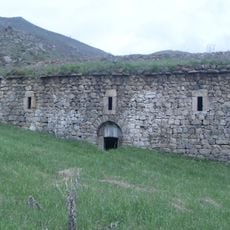
Juma Mosque in Ordubad, Mosque in Ordubad, Azerbaijan
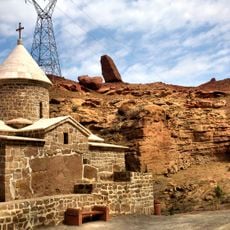
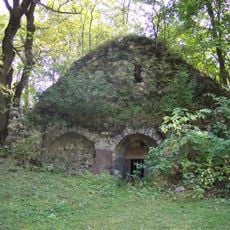
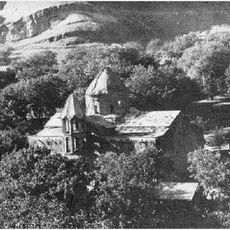
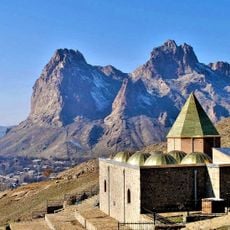
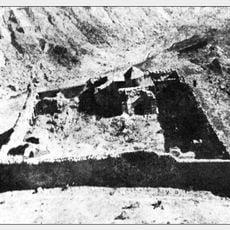
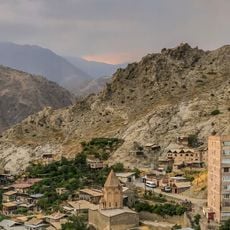
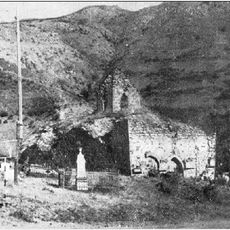
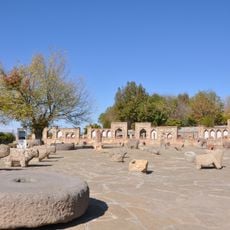
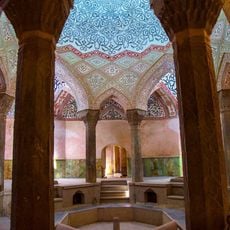
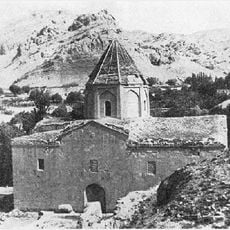
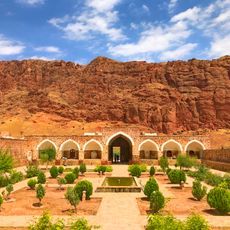
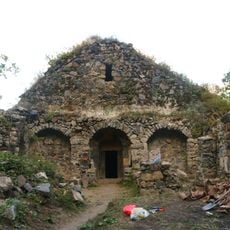
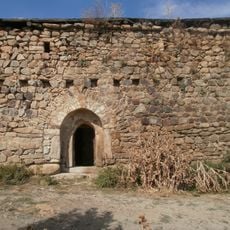
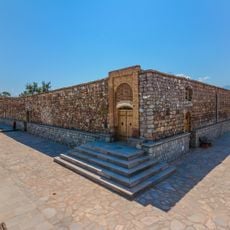
The Juma Mosque stands on a sandstone rock at the highest point of Ordubad's central square. Its core is a three-aisled prayer hall covered by a dome, while the rest of the building has flat roofs. The walls are built of sandstone and faced with baked brick, and deep arched niches set in rectangular frames mark the facades.
The mosque was built in 1604 during the reign of Safavid king Abbas I, as indicated by an inscription at the entrance. This period marked an era of significant architectural activity across the region.
The mosque serves as a central place for Islamic prayer and reflects religious practices that have been maintained in this region for centuries. Visitors can observe how worshippers use the space in daily life and how the building's design supports these practices.
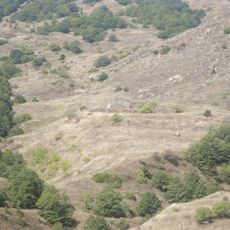
The building sits on a hillside and is reachable on foot with views over the town along the way. Visitors should wear modest clothing and keep in mind that it remains an active prayer site, so visiting hours may be limited.
The mosque's east portal carries a five-line Persian decree in naskh script by Shah Abbas I, dated 1012 AH (1604). It records a tax immunity, or muafi, granted to Ordubad through the intercession of Hatem Bey Ordubadi, the shah's grand vizier. A brick found during 1902–1903 repairs suggests the building may date to the 12th–13th centuries.
The community of curious travelers
AroundUs brings together thousands of curated places, local tips, and hidden gems, enriched daily by 93,367 contributors worldwide.