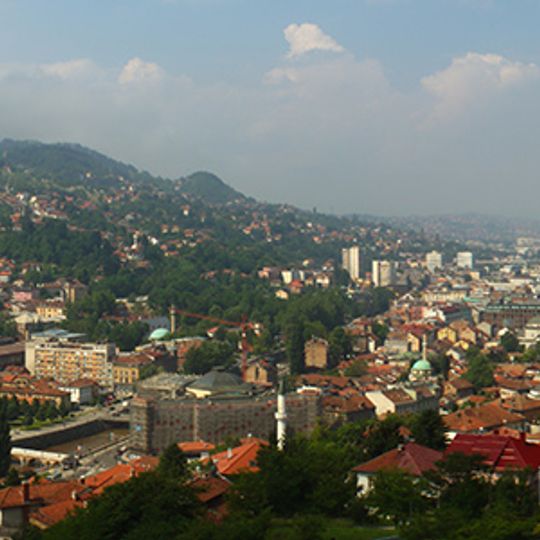
Bosnia, Historical region in southeastern Europe, Bosnia and Herzegovina.
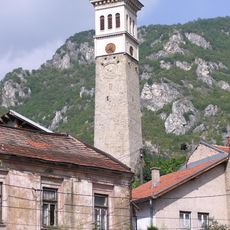
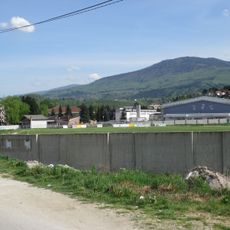
Bosnia is a historical territory covering the central and northern part of present-day Bosnia and Herzegovina, marked by forested mountain ranges and narrow river valleys. The landscape shifts between dense woods, small villages tucked into the valleys, and upland plains where meadows and fields lie between the hills.
The territory emerged as a medieval kingdom in the 12th century and remained independent until the Ottoman conquest in 1463. After four centuries of Ottoman rule, the land passed to Austro-Hungarian administration in 1878, before later becoming part of Yugoslavia.
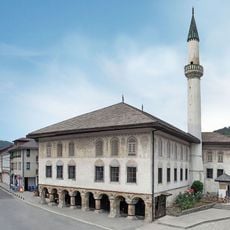
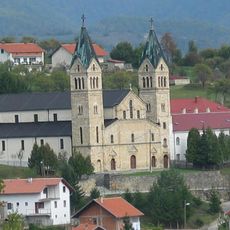
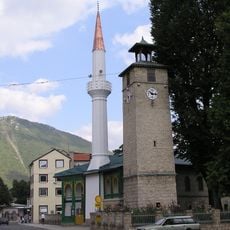
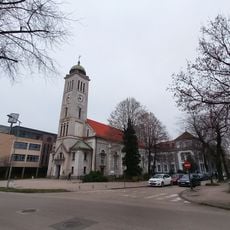
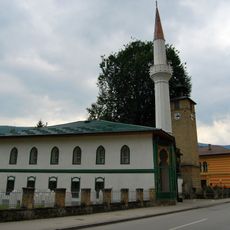
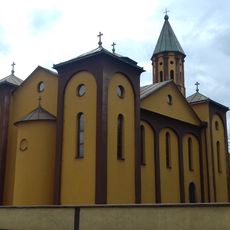
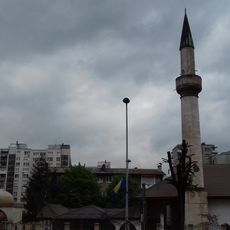
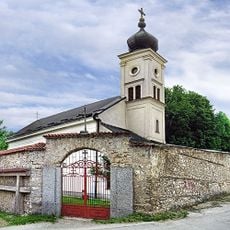
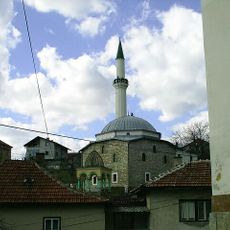
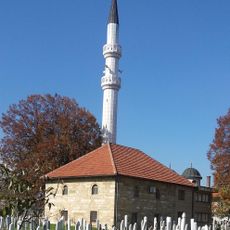
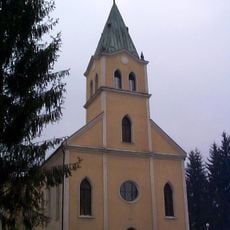
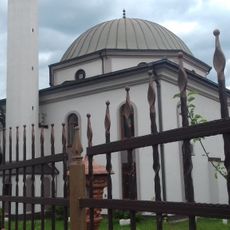
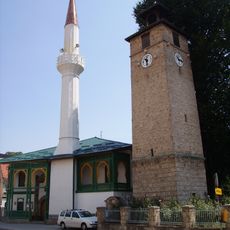
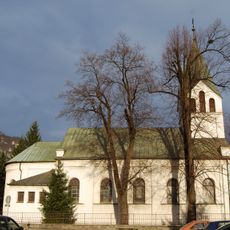
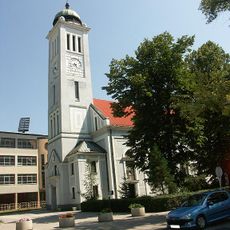
The name comes from Illyrian roots and refers to the rivers that thread through the highlands and have shaped daily life for centuries. Travelers moving through the valleys encounter mosques, Orthodox churches, and Catholic chapels, each preserving its own feast days and customs that mark the rhythm of the year for local communities.
Hikers should expect steep climbs and narrow paths in the national parks, which often wind through dense forest and over rocky ground. Those exploring the countryside will find accommodation and guesthouses in the villages and smaller towns offering regional food.
More than a dozen different climate zones meet here within a small area, which makes the diversity of plant and animal life in the forests and along the waterways unusual. On some mountain slopes you can shift from Mediterranean weather to alpine conditions within a few hours.
The community of curious travelers
AroundUs brings together thousands of curated places, local tips, and hidden gems, enriched daily by 91,868 contributors worldwide.