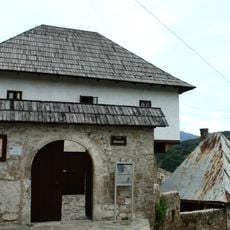
Jajce Fortress, Citadel of the Walled city of Jajce
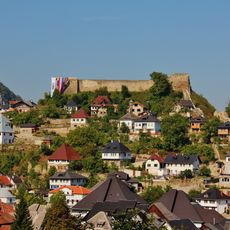
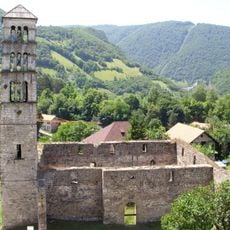
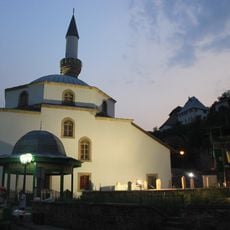
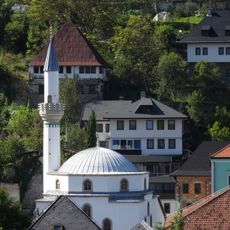
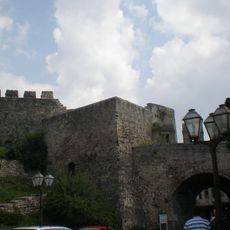
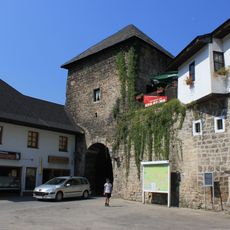
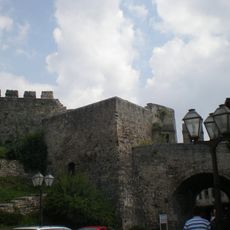
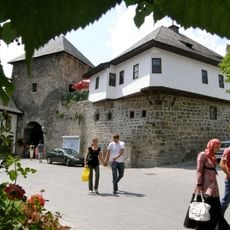
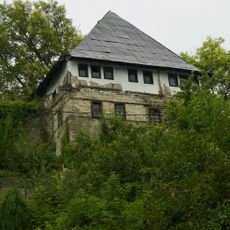
Jajce Fortress sits on a hilltop where the Pliva and Vrbas rivers meet, with defensive walls, bastions, and two tall towers visible from different angles. The structures show stone construction from the medieval period, modified with Gothic and Renaissance architectural elements over time.
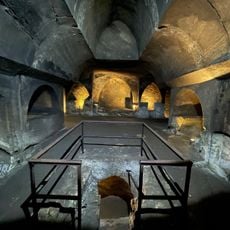
The fortress is first mentioned in 1396, when Hrvoje Vukčić Hrvatinić turned it into a fortified residence with an Italian architect designing the interior and rock-cut crypt. After his death in 1416 it passed to King Stjepan Ostoja and became a royal seat; the last Bosnian king, Stjepan Tomašević, was executed there in 1463. The Ottomans took it in June 1463, but Matija Korvin retook it that Christmas; it was lost again in 1528.
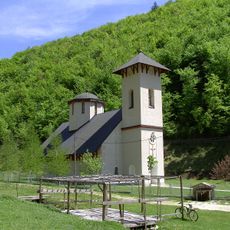
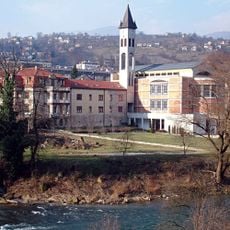
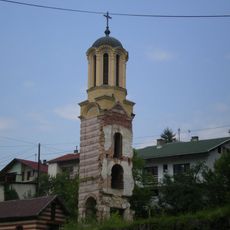
The coat of arms of the Kotromanić dynasty, carved by Dalmatian masters, stands above the entrance gate. In the lower town stood the Franciscan monasteries of St Mary and St Catherine; the latter held the relics of St Luke and was therefore called St Luke's Church, whose bell tower is a symbol of Jajce.
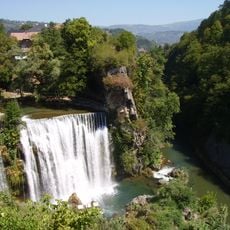
The complex stretches about 1,300 m along the south slope above the Pliva–Vrbas confluence, with the citadel at 470 m and the Pliva waterfall below at 362.5 m, so the walk between them is downhill and then back up. The main gates and the Medvjed-kula watchtower mark the routes through the walls. Surfaces are uneven stone and partly steep; wear sturdy shoes.
A grassy plateau in the fortress center functioned as a living space where the royal family and court members resided during the 15th century. This area remains visible today, revealing how daily life unfolded within this seat of power.
The community of curious travelers
AroundUs brings together thousands of curated places, local tips, and hidden gems, enriched daily by 94,142 contributors worldwide.