Vranduk Fortress, Medieval fortress in Zenica-Doboj Canton, Bosnia and Herzegovina
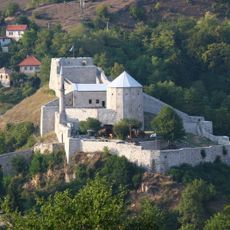
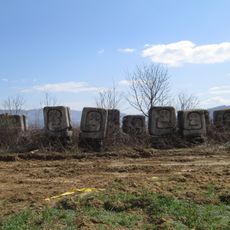
Vranduk is a stone fortress perched on a steep cliff above the Bosna River canyon, marked by defensive walls and a central tower. The site contains multiple structures reflecting different building phases that spread across the hillside.
Built in the late 14th century in the Brod parish, Vranduk was a ban's and later a royal castle, first mentioned by name in 1410. Its walls sheltered a small settlement where Bosnian kings received envoys and issued charters, and Radivoj, brother of King Tomaš, was styled "prince of Vranduk". The Ottomans took it in 1463; in 1697 Eugene of Savoy bypassed it, and from the early 18th century it housed a captaincy and later a political prison. Austrian troops occupied it in 1878 and kept a garrison until 1890.
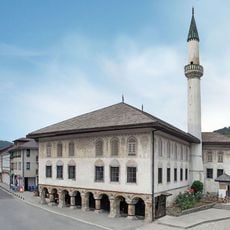
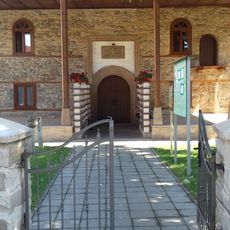
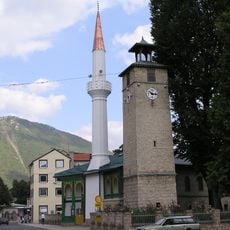
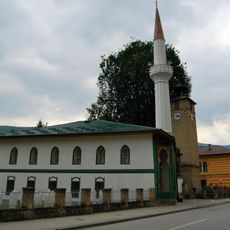
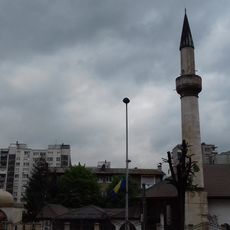
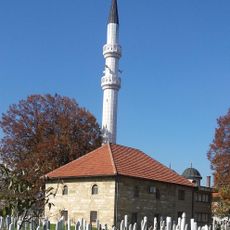
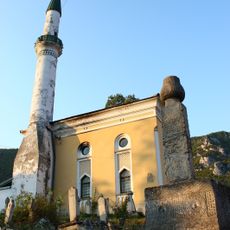
The Old Mosque of Vranduk, also called the Mosque of Sultan Fatih, was built directly beside the fortress after the Ottoman conquest of 1463. Fortress mosques of this kind usually had no public fountain; water came from a well inside the fort. The name Vranduk derives from branduk, meaning to defend.
The fortress is reachable via the main Sarajevo-Zenica-Doboj road and offers daily access to visitors. It helps to wear sturdy shoes since the terrain is steep and uneven.
The stone structures use medieval building techniques from the region, rooted in local craft traditions. This building style shows how medieval masons made use of materials and skills available in their area.
The community of curious travelers
AroundUs brings together thousands of curated places, local tips, and hidden gems, enriched daily by 94,090 contributors worldwide.