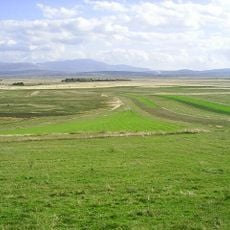
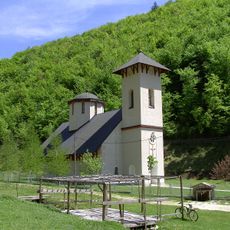
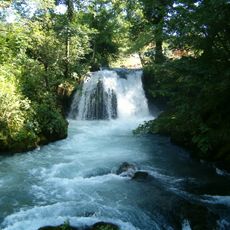
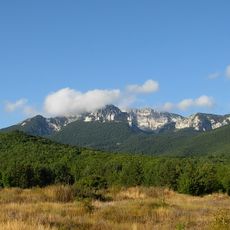
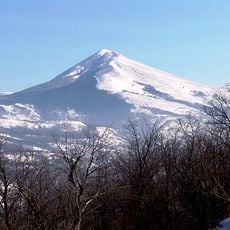
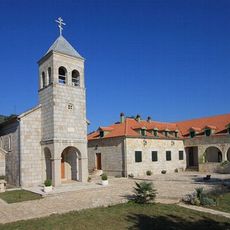
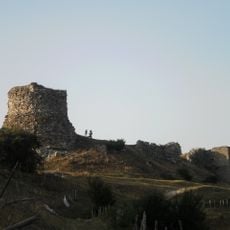
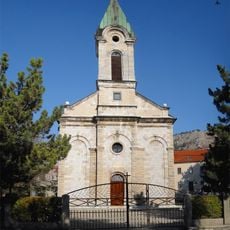
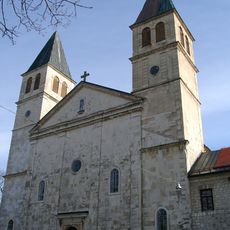
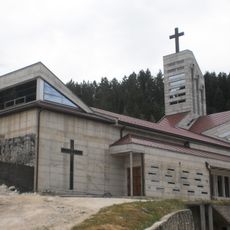
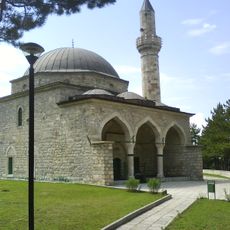
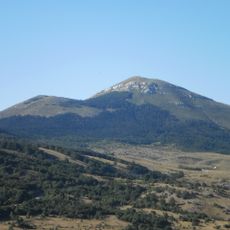
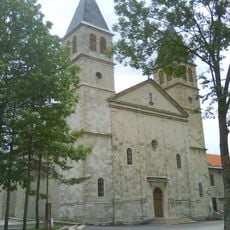
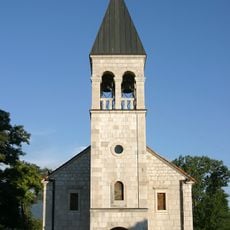
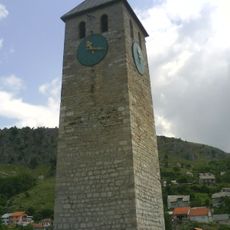
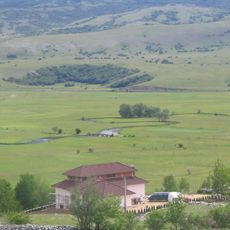
Glamoč field, Karst field in Glamoč Municipality, Bosnia and Herzegovina.
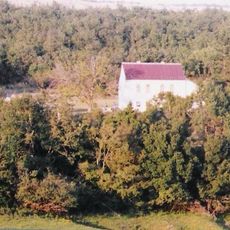
Glamoč field is a karst landscape that stretches across the region between several surrounding mountains at approximately 880 meters elevation. The terrain features open grasslands interspersed with limestone characteristics typical of karst formations.
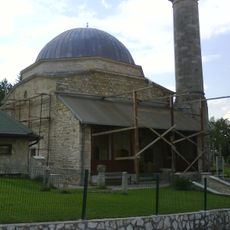
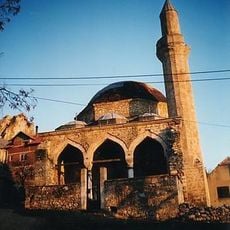
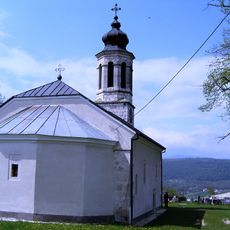
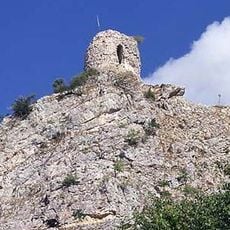
Illyrian hillforts ring the field's rim, and Roman monuments lie along the Salona–Servitium road, including the municipium Salvium. Glamoč is mentioned in 1078 and 1446, and by the late 14th century it belonged to Bosnia. A medieval town, Glamoč or Biograd, stood here; the Ottomans built a new fortress on its ruins.
The field holds 64 medieval necropolises with 674 stećak tombstones. In the Muslim cemetery at Jakir stands the nišan over the grave of aga Bašić, called Bašića mašet, 4.35 m tall and dated 1798. At Suhopolje a museum commemorates Ivo Lola Ribar (1916–1943), SKOJ secretary killed there; a NATO military base stands nearby.
The field is easily accessible with open terrain that allows good visibility across the landscape. The relatively flat to gently rolling ground makes it straightforward to explore the area on foot.
In the Muslim cemetery at Jakir stands the nišan over the grave of Aga Bašić, known as Bašića mašet, a stone slab 4.35 m tall dated 1798. It is one of the tallest stećak-type monuments recorded on the field, where 64 necropolises hold 674 stećci in total.
The community of curious travelers
AroundUs brings together thousands of curated places, local tips, and hidden gems, enriched daily by 94,192 contributors worldwide.