Wali Khan Mosque, Mughal mosque in Chittagong, Bangladesh
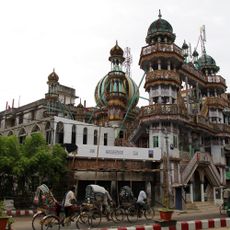
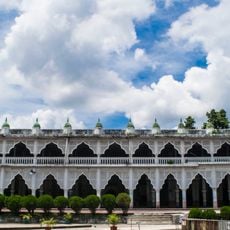
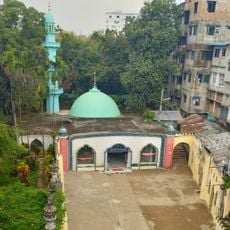
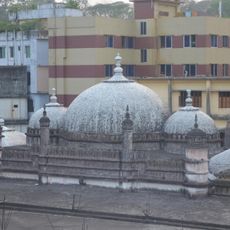
Wali Khan Mosque is a place of worship in Chittagong featuring red sandstone walls adorned with geometric patterns and floral designs in the traditional Mughal style. A central dome crowns the structure, demonstrating the architectural principles typical of that period.
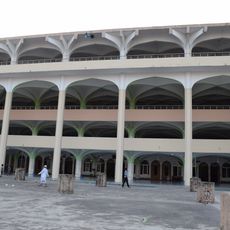
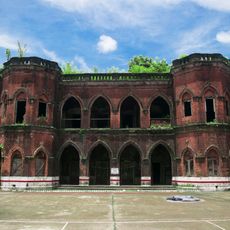
Wali Beg Khan, a Mughal Faujdar in Chittagong, built the mosque between 1713 and 1716; the Bengali Wikipedia dates its construction to 1713. He also founded Chawk Bazar and donated land for the mosque's upkeep. After years of neglect, a 2010 demolition plan was opposed by local residents, and in 2011 the prime minister advised renovation instead. In 2016 work began on a new five-storey building in front of the old mosque.
The mosque is known locally as the Nabab Ali Beg Khan Jame Mosque, and the surrounding area is called Ali Khan Mor, after its founder. The merchant Dula Mia Saudagar was a noted worshipper here. On Fridays, so many people attend that some pray on the street outside.
Visitors should remove shoes and dress appropriately before entering the prayer halls, as the mosque observes regular prayer times throughout the day. It helps to arrive outside peak prayer hours to explore the space comfortably and respectfully.
The mosque's six domes — four large and two small — crown a building whose walls are 1 to 3 feet thick. Small niches set into those walls once held stored goods; today they hold copies of the Quran and other items. The site covers about 18 decimals, though the original mosque occupies only 6 to 7.
The community of curious travelers
AroundUs brings together thousands of curated places, local tips, and hidden gems, enriched daily by 93,370 contributors worldwide.