La Cambre Abbey, Cistercian abbey in Ixelles, Belgium
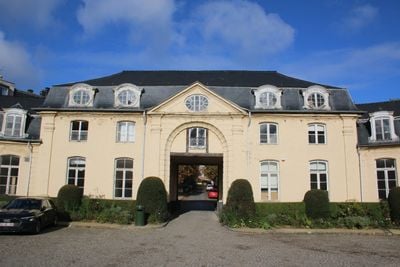
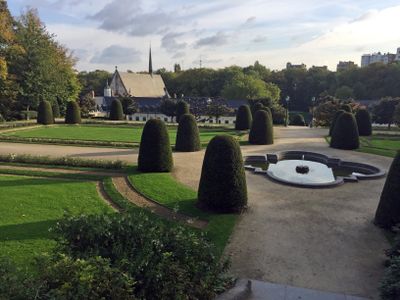
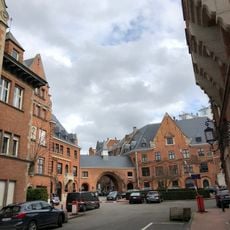
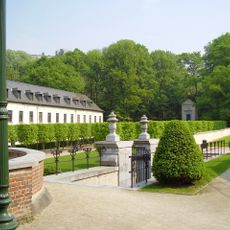
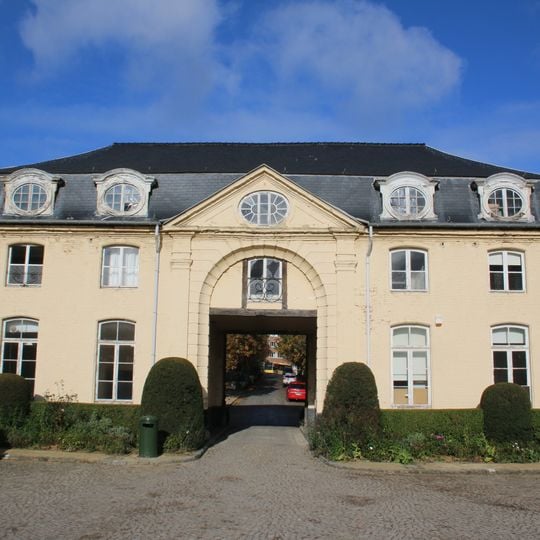
La Cambre Abbey is a stone complex with classical architecture and Gothic elements, comprising a church, cloister, and formal French-style gardens arranged on multiple levels. The property sits between the Ixelles ponds and the Bois de la Cambre park.
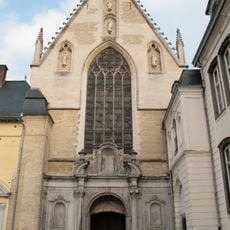
Gisèle, a noble Brussels woman, founded the abbey around 1196 with monks from Villers Abbey, and Duke Henry I of Brabant donated the Ixelles Ponds, a water mill and the surrounding domain. A fire set by looters destroyed most buildings in 1381; the Gothic church was rebuilt in 1400. Calvinists sacked the abbey in 1581, and it was suppressed in 1796 during the French Revolution.
The grounds house an art school today, maintaining an educational mission while opening the historical structures and gardens to the public.
The site lies in the Maelbeek valley between the Ixelles Ponds and the Bois de la Cambre. The former abbey church, now the parish of Saint Philip Neri, is entered from the courtyard; the 18th-century terraced garden and clipped bosquets, restored from 1924, are best seen in daylight. Parts of the complex house the National Geographic Institute and the La Cambre art school, so some buildings are not open to visitors.
The abbey church, built in 1400, keeps its Cistercian sobriety despite Gothic vaulting, and holds Albert Bouts' early 16th-century painting The Mocking of Christ. The refectory and the wing of the capitular hall are the only other parts that remain medieval; the rest was rebuilt in the 18th century.
The community of curious travelers
AroundUs brings together thousands of curated places, local tips, and hidden gems, enriched daily by 93,416 contributors worldwide.