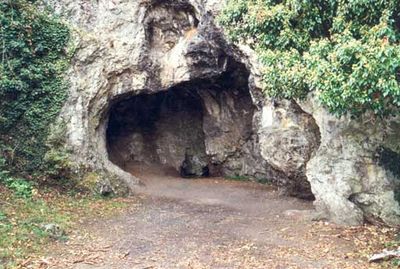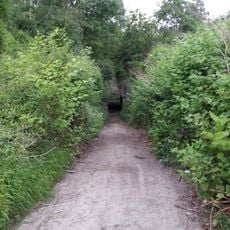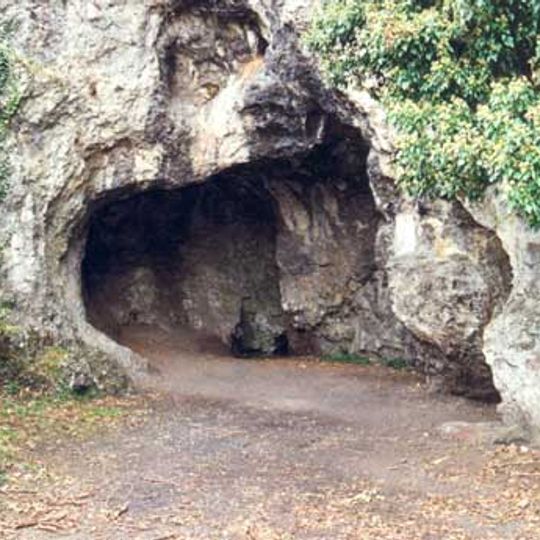
Grotte de Spy, Paleolithic cave in Jemeppe-sur-Sambre, Belgium.
Grotte de Spy is a cave system above the Orneau River valley in Namur Province, consisting of multiple chambers and corridors that descend into considerable depths. The site shows distinct layers from different time periods, allowing visitors to see how the landscape and conditions changed over long stretches of time.
The cave was studied in 1886 when explorers uncovered two Neanderthal skeletons that provided crucial insight into early humans. These discoveries fundamentally changed how scientists understood human development and made the location a landmark in paleontology.
The site contains over 12,000 faunal remains from the Pleistocene period, including mammoth bones and tools indicating both Neanderthal and modern human presence.
Visits are possible only through guided tours, and it is important to wear good shoes with secure grip since the paths inside can be wet and slippery. Bring warm clothing as well, since the interior stays cool throughout the year.
The cave sediment holds over 12,000 animal bones from the Pleistocene, including mammoth remains, showing that humans and large creatures coexisted for a long time. This collection offers rare clues about the environment and hunting practices of that era.
The community of curious travelers
AroundUs brings together thousands of curated places, local tips, and hidden gems, enriched daily by 90,924 contributors worldwide.