Goyet Caves, Prehistoric cave system in Mozet, Belgium
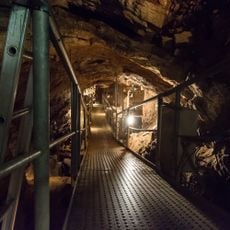
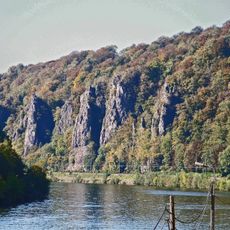
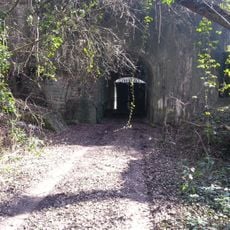
Goyet Caves form a network of underground passages carved through limestone rock, positioned about 50 feet (15 meters) above the Samson River. The tunnels stretch across roughly 250 meters and reveal distinct layers of sediment accumulated over thousands of years.
The cave was inhabited by prehistoric peoples, but systematic study began in 1867 when geologist Edouard Dupont started excavations. His work uncovered evidence that humans and their predecessors used this shelter continuously across more than 100,000 years.
The caves served as shelter for people during the Ice Age, and the objects found there reveal how early inhabitants lived and what they valued. Visitors can see today how these prehistoric communities used the space and what mattered in their daily existence.
Access is through guided tours led by archaeologists, offered every Sunday and during Belgian school holidays. Groups must book in advance, and visits are limited to a maximum of 30 people per group.
Bone remains display cut marks that reveal how early humans deliberately extracted marrow from bones as a food source. This intentional processing technique demonstrates a sophisticated approach to feeding themselves.
The community of curious travelers
AroundUs brings together thousands of curated places, local tips, and hidden gems, enriched daily by 92,068 contributors worldwide.