Halle al'Chair, Archaeological museum in Namur, Belgium
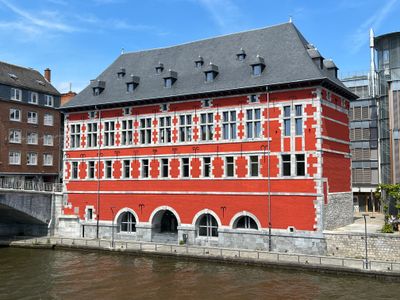
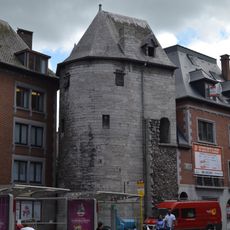
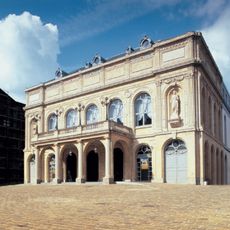
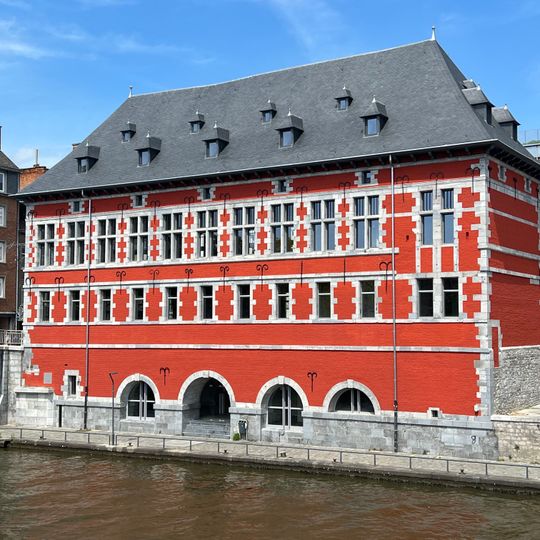
Halle al'Chair is an archaeology museum housed in a 16th-century building featuring a limestone foundation and red brick facades arranged in a cross pattern. The structure rises over multiple levels including basement storage and upper floors, displaying collections that span the history of the region.
Built between 1588 and 1590 during Spanish rule, this structure functioned as the city's main meat market where butchers processed and sold livestock products. Over time the building's purpose shifted and the spaces were eventually converted into a museum dedicated to displaying archaeological finds from the region.
The name comes from its role as a meat market where butchers served the community, and this connection to everyday urban life remains part of how locals understand the place today. Visitors can sense this working-class heritage when standing in the spaces that once bustled with commerce.
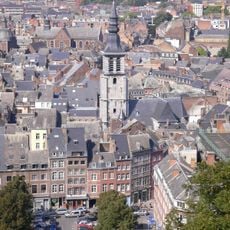
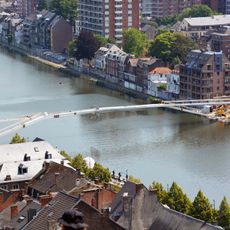
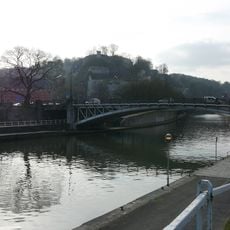
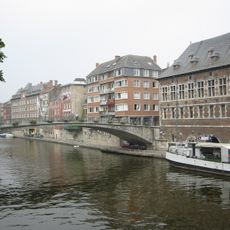
The museum sits close to the Sambre River and offers direct access to Namur's historic center and waterfront areas. Visitors should note that the exhibition spaces are spread across multiple levels connected by stairs.
The building retains traces of its original market function in its lower levels, where remnants of the old structure and layout of the butcher stalls remain visible. These physical remnants help visitors understand how the spaces were once organized and used.
The community of curious travelers
AroundUs brings together thousands of curated places, local tips, and hidden gems, enriched daily by 60,000 contributors worldwide.