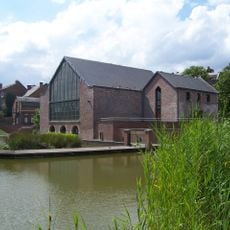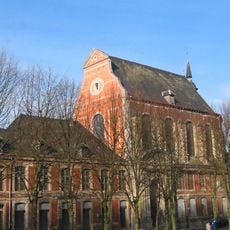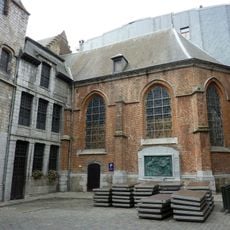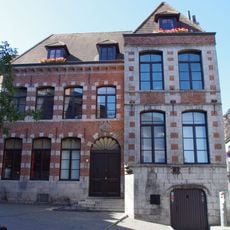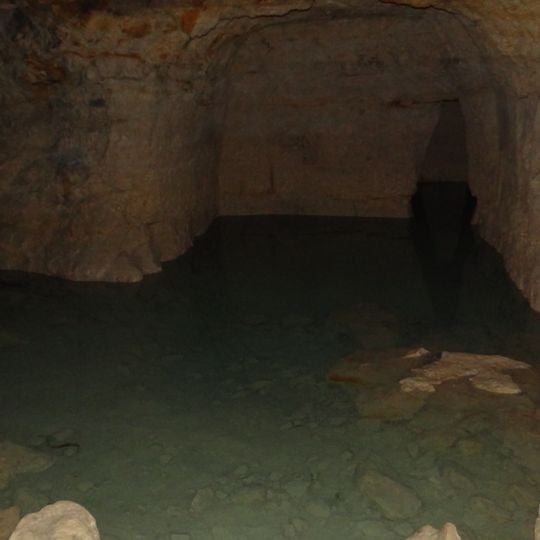
Underground quarries of the Malogne, Underground phosphate quarry in Cuesmes, Belgium.
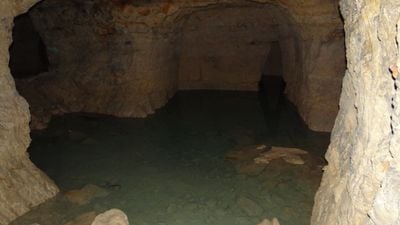
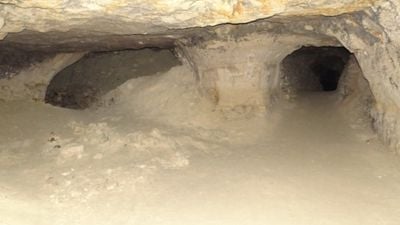
The Underground Quarries of Malogne are a network of passages and chambers beneath the Cuesmes district of Mons, Belgium, carved out using a room and pillar mining method. Stone pillars were left in place to hold up the ceiling, creating a vast underground labyrinth that still stands today.
Stone extraction at Malogne started in 1877 at the Rolland site and went through several phases of activity before finally stopping in 1958. The limestone pulled from beneath Cuesmes was used locally for construction, and the abandoned galleries were later listed as protected heritage in Wallonia.
The name Malogne refers to the local area of Cuesmes where the stone was extracted, and the site remains closely tied to the identity of this part of Mons. Walking through the passages today, visitors get a direct sense of how manual labor once shaped this underground world.
Visits are typically organized for groups, so it is worth arranging access in advance rather than showing up without a booking. Bring your own light source and wear sturdy shoes, as the passages can be dark and the ground uneven.
The walls of the passages contain fossils from the Cretaceous period, including mosasaurus teeth, belemnites, oyster shells, and turtle remains embedded directly in the stone. Visitors can touch these prehistoric traces with their hands as they walk through, with no special equipment needed.
The community of curious travelers
AroundUs brings together thousands of curated places, local tips, and hidden gems, enriched daily by 60,000 contributors worldwide.