Apollonia Pontica, Ancient Greek settlement ruins in Sozopol, Bulgaria
Apollonia Pontica is an ancient Greek settlement site in Sozopol on Bulgaria's Black Sea coast. The excavations reveal the foundations of temples, houses, and defensive walls scattered across different sectors along the shoreline.
Colonists from the Greek city of Miletus established this port settlement around 610 BC. The colony grew into a major trading hub that prospered for centuries along the Black Sea.
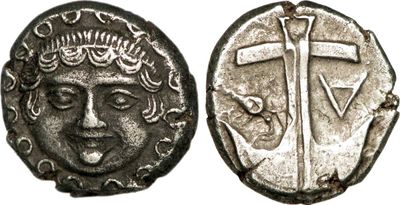
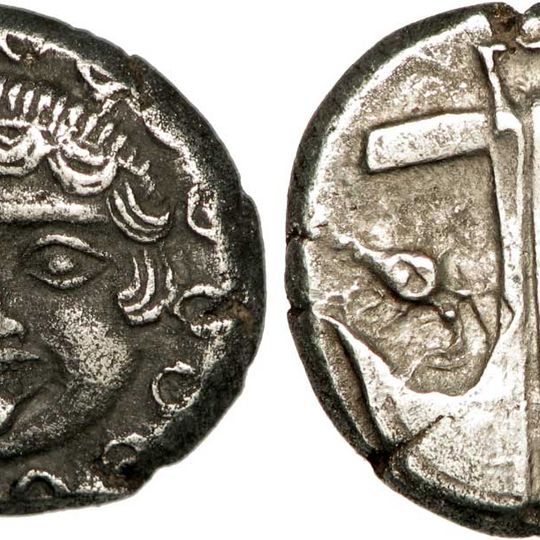
The city took its name from Apollo, honoured here as a healer; the epithet Pontica distinguished it from other cities of the same name. Its annual arts festival in Sozopol is still called Apollonia. Coins found in the necropolis carry an anchor, a crab and the letter A.
The site is best explored with guidance from the nearby Sozopol Archaeological Museum, which provides context and displays many recovered objects. Learning about the different areas beforehand helps you understand what the scattered ruins represent.
Apollonia began striking silver coins at the start of the 6th century BC, the first city on the Black Sea to do so. Early issues paired an anchor and a sea crab with a swastika linked to the sun cult of Apollo; later tetrobols replaced it with a gorgon mask. Around 380 BC the city minted rare tetradrachms of 16.85 g showing Apollo in profile with a laurel wreath and diadem.
The community of curious travelers
AroundUs brings together thousands of curated places, local tips, and hidden gems, enriched daily by 93,812 contributors worldwide.