Stara Zagora, Administrative center in Upper Thracian Plain, Bulgaria
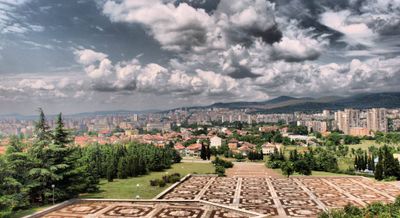
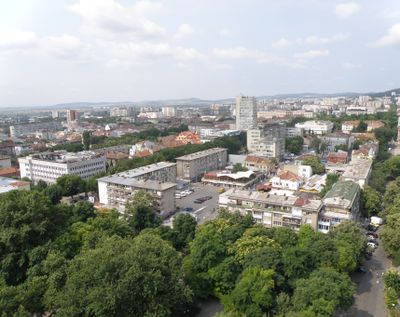
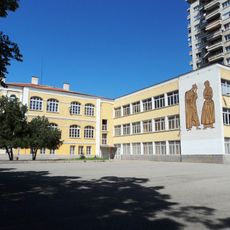
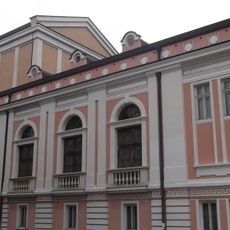
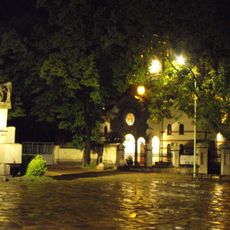
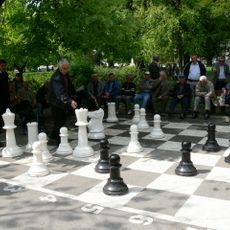
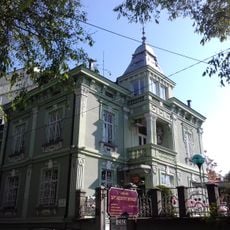
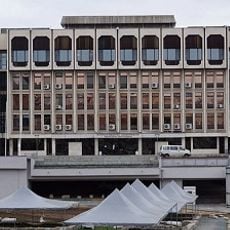
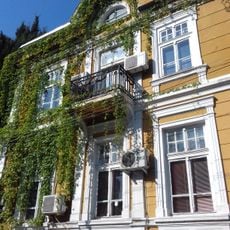
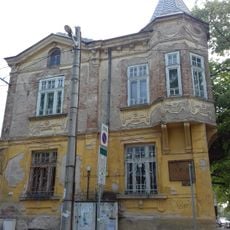
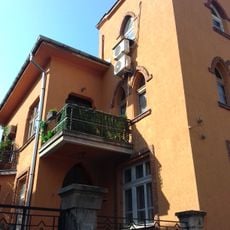
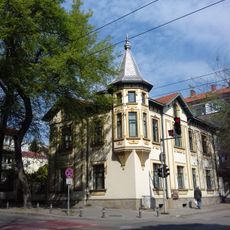
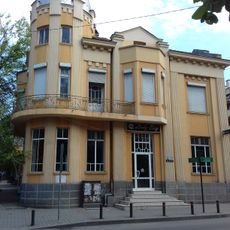
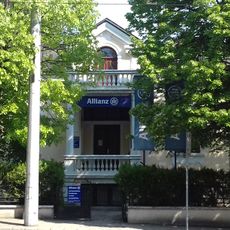
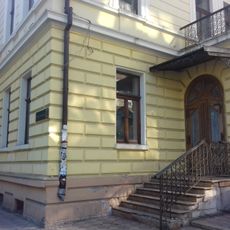
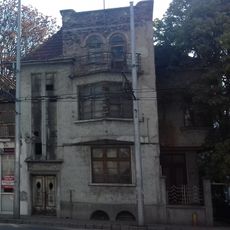
Stara Zagora spreads across the Upper Thracian Plain with long, tree-lined avenues that run between residential blocks, parks, and a central business district covering several kilometers. The city feels open and orderly, with plenty of space between buildings and a mix of socialist-era architecture and newer construction.
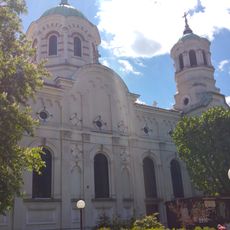
The area has been inhabited since the Neolithic period, and the Romans founded a major settlement here in the 2nd century that was later ruled by the Ottomans for five centuries. After destruction in the 1877 war, the city was rebuilt on a grid plan that still shapes the street network today.
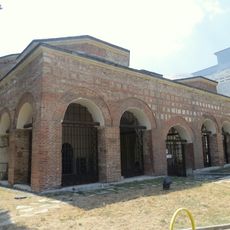
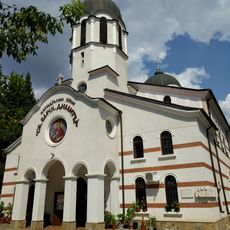
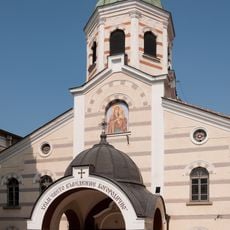
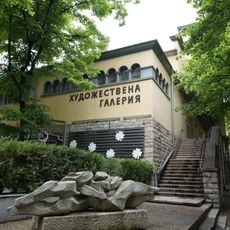
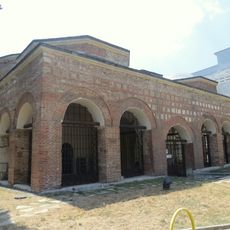
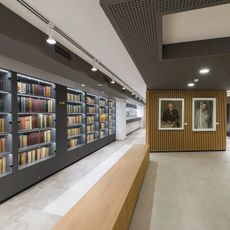
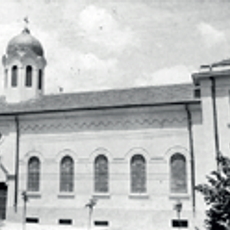
The Regional History Museum displays over 100,000 artifacts spanning multiple periods, while the Museum of Religions occupies a structure that served different faiths through centuries.
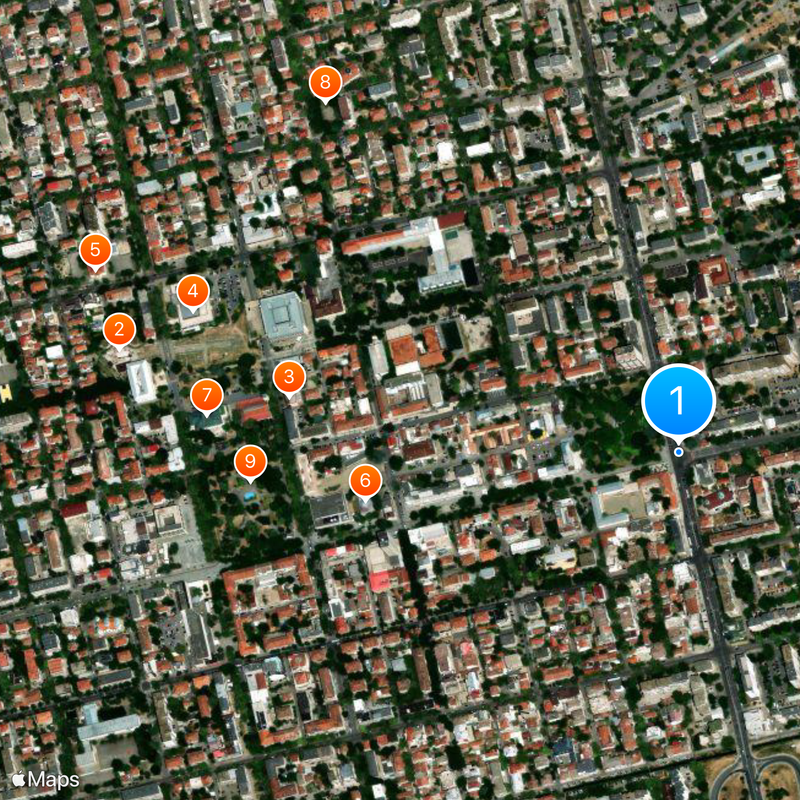
Most attractions sit within the center and can be reached on foot, while outlying neighborhoods connect through local bus routes. Visitors during summer months will find shade under old trees along the main streets and in the many public gardens.
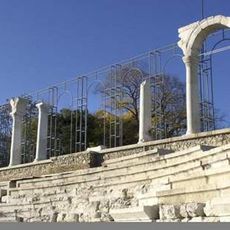
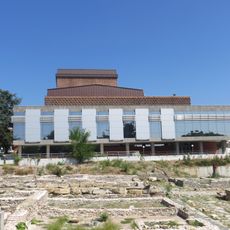
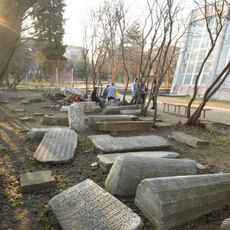
A Roman amphitheater sits partially hidden beneath modern apartment blocks, with some foundations and seating areas visible in basements and courtyards. Visitors can also enter a museum built into the original space of an ancient street, displaying the floor and walls of the Roman city.
The community of curious travelers
AroundUs brings together thousands of curated places, local tips, and hidden gems, enriched daily by 91,337 contributors worldwide.