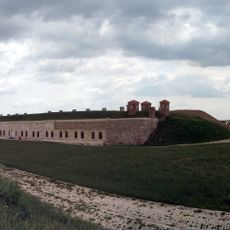
Ustrem Monastery, Orthodox monastery in Topolovgrad, Bulgaria
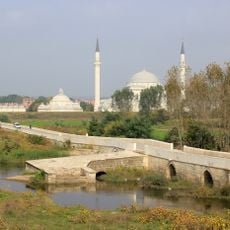
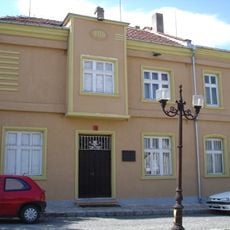
Ustrem Monastery is an Orthodox monastery compound in Topolovgrad containing multiple stone buildings arranged around a central courtyard. The site features a church with three naves, monastic living quarters, farm buildings, and a bell tower positioned at the main entrance.
Ottoman records trace the monastery, named after the village of Vakav (today Ustrem), to the Second Bulgarian State. A rock church called the Old Church stood about 500 m above it, linked by a legend of icons hidden in a cave during Byzantine iconoclasm. In 1836 the old church collapsed and the present three-nave, single-apse stone church of the Holy Trinity was built in its place.
The monastery has been a women's convent since 1909, when Abbess Evpraksia arrived with 30 to 40 nuns from the St. Theodore Studite Monastery near today's Studena. Its name comes from the village of Ustrem, called Vakav in Ottoman records. In the 19th century, instrument makers and musicians gathered here to choose wood for the wooden semantra, and the monastery once had 12 of them, known as far as Edirne and Lozengrad.
The monastery is a women's community of the Sliven Diocese, so the resident nuns, not monks, live and pray here. It lies 8 km southeast of Topolovgrad, 2 km northwest of Ustrem, at the foot of a steep hill beside the Manastirska River. Coming from Topolovgrad, turn right after Mramor; from Ustrem, turn left off the road to Topolovgrad.
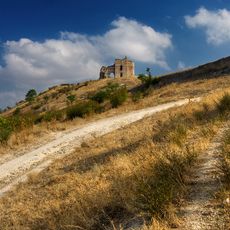
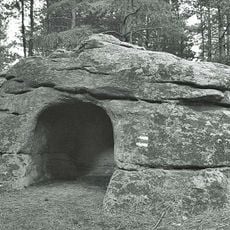
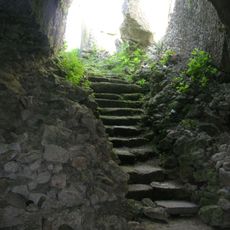
The cave chapel called "Vekhtata tsarkva" stands about 500 metres above the monastery. According to legend, during Byzantine iconoclasm (725–843) local Christians hid icons of Saints Peter and Paul and of the Holy Trinity there, and water dripping from the cave vault was once considered healing.
The community of curious travelers
AroundUs brings together thousands of curated places, local tips, and hidden gems, enriched daily by 94,017 contributors worldwide.