Great Lakes Megalopolis, Bi-national megalopolis in Great Lakes region, United States and Canada
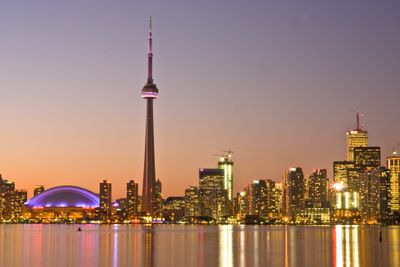
The Great Lakes Megalopolis is an extensive urban region spanning the border between the United States and Canada, encompassing major cities and their surrounding metropolitan areas. This interconnected urban system features dense transportation networks, significant industrial zones, and multiple important business and cultural hubs.
French geographer Jean Gottmann first identified this region as a major metropolitan corridor in 1961, introducing the formal concept of the megalopolis. The area experienced rapid growth during the 19th and 20th centuries due to industrialization and its strategic location along Great Lakes shipping routes.
The region serves as a major center for higher education and research, with leading universities that shape the intellectual character of cities and regions. These institutions draw students and professionals from around the world and contribute significantly to local economies and cultural life.
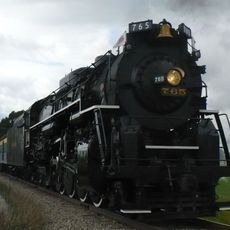
The region is connected through multiple transportation options including railways, highways, and regional airports that allow efficient travel between cities. The most practical way to explore is to base yourself in one of the major cities and plan visits to other areas from there.
The region handles more than 200 million tons of cargo annually through its waterways, making it one of North America's most important trade corridors. This massive movement of goods relies on the world's largest surface freshwater system and demonstrates how water transport shaped the area's economic importance.
The community of curious travelers
AroundUs brings together thousands of curated places, local tips, and hidden gems, enriched daily by 90,737 contributors worldwide.