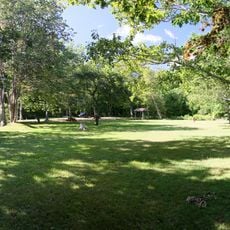
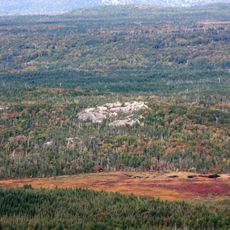
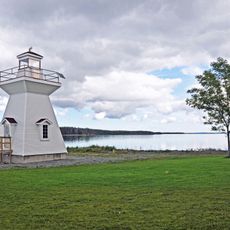
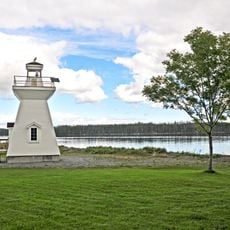
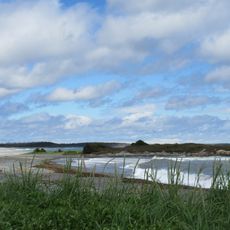
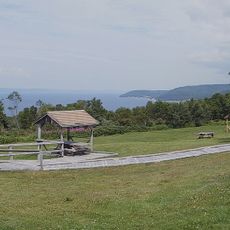
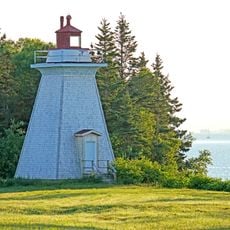
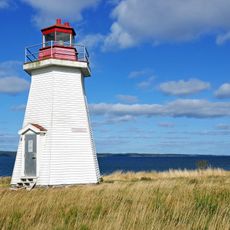
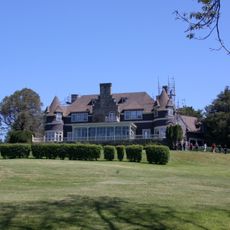
Bras d'Or Lake Biosphere Reserve, UNESCO Biosphere Reserve in Cape Breton Island, Canada.
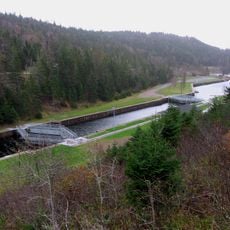
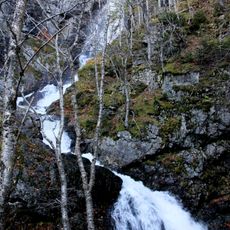
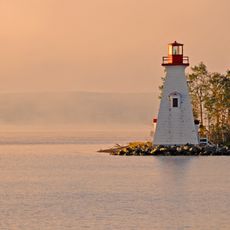
Bras d'Or Lake Biosphere Reserve covers 356,788 hectares of watershed on Cape Breton Island, centred on a salt-water inland sea with three passages to the Atlantic. Differential erosion left steep hills around the lake and peninsulas that divide it into five long, deep channels in the north and several bays in the south. Twelve watersheds drain highlands and lowlands, with large wetlands and bogs in the Cape Breton Highlands, the Boisdale Hills and the East Bay Hills.
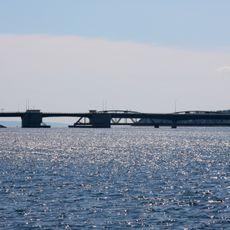
The Holocene transgression flooded a complex river-lake system of varied geology, forming the inland sea with three passages to the Atlantic. The Bras d'Or Lake Biosphere Region Association was established on 13 March 2006, and UNESCO designated the site on 29 June 2011. Cape Breton Island was joined to mainland Nova Scotia by a 1.4 km causeway built in 1955.
Five Mi'kmaq communities hold reserves within the watershed: We'koqmaq (Whycocomagh), Wagmatcook, Eskasoni, Potlotek and Malagawatch, the last occupied seasonally. A sixth, Membertou near Sydney, lies just outside the biosphere but stays closely tied to these communities. Their descendants of the region's earliest settlers after the glaciers retreated form a large share of the population across much of the watershed.
A causeway connects the reserve to mainland Nova Scotia, making it easy to reach the water and surrounding areas. Fishing and wildlife watching are popular activities available at multiple locations around the lake.
The lake's three passages to the Atlantic let salt water in, so its water is brackish rather than fresh. The reserve's core area covers 7,712 hectares, with buffer and transition zones around it. Five Mi'kmaq communities live within the watershed, including Eskasoni, the largest.
The community of curious travelers
AroundUs brings together thousands of curated places, local tips, and hidden gems, enriched daily by 94,004 contributors worldwide.