Large Electron–Positron Collider, Particle accelerator at CERN, Geneva, Switzerland
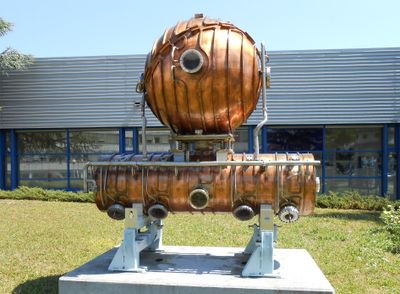
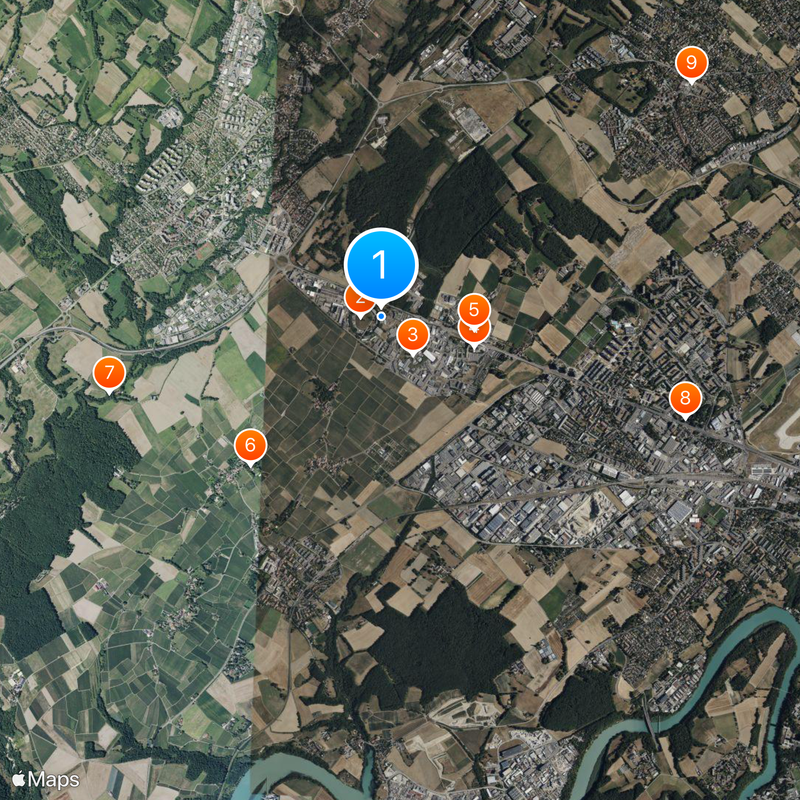
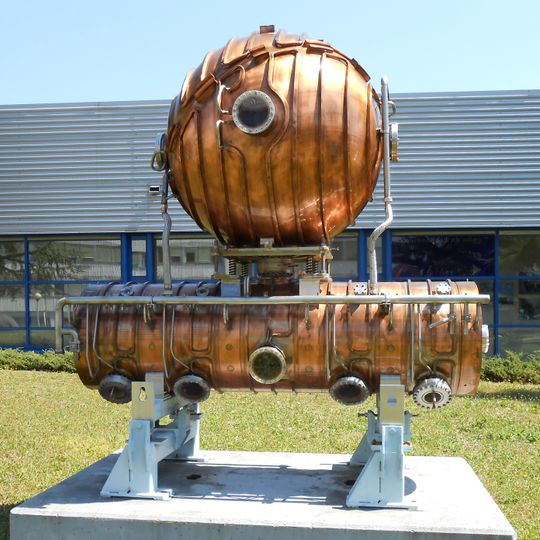
The Large Electron-Positron Collider is an underground circular facility with a circumference of about 27 kilometers located beneath the Franco-Swiss border near Geneva. Four detection systems named ALEPH, DELPHI, L3, and OPAL recorded data from particle collisions within the tunnel.
The facility operated from 1989 to 2000 and produced data that led to fundamental discoveries in particle physics. These results helped validate the Standard Model and confirmed theories about the nature of matter.
The research center brought together scientists from around the world who worked collaboratively on experiments and advanced understanding of elementary particles. This international cooperation shaped the scientific culture of the region.
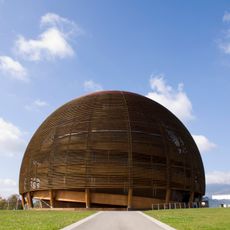
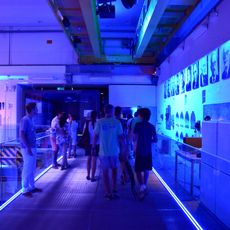
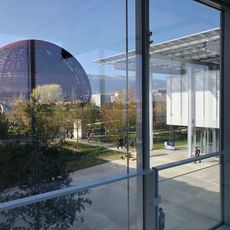
The site is located beneath the border between France and Switzerland near Geneva and is not directly accessible to visitors. Tours and exhibitions about the research can be visited at nearby visitor centers.
The tunnel was later repurposed by the newer Large Hadron Collider, and new experiments continue to conduct research at the same underground location. This makes the site a place where multiple generations of discoveries are layered on top of each other.
The community of curious travelers
AroundUs brings together thousands of curated places, local tips, and hidden gems, enriched daily by 91,430 contributors worldwide.