Musée d'ethnographie de Neuchâtel, Ethnographic museum in Neuchâtel, Switzerland
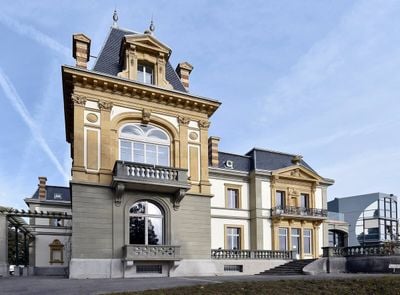
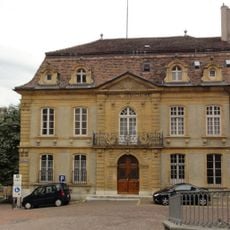
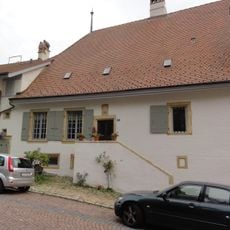
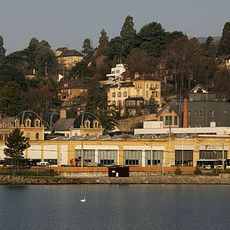
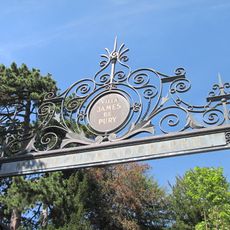
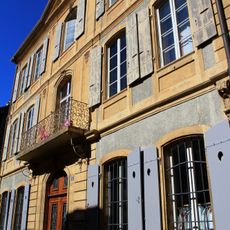
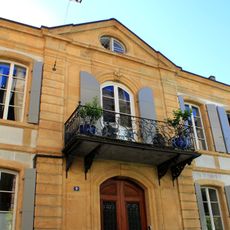
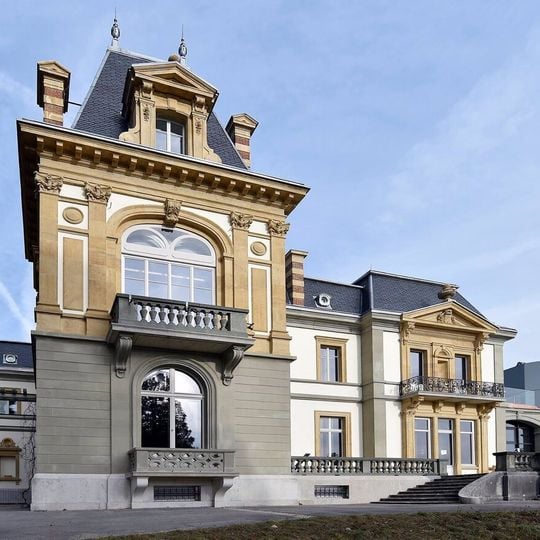
The Musée d'ethnographie de Neuchâtel occupies the Villa de Pury on Saint-Nicolas hill, bequeathed in 1902, plus a Black Box wing built in 1954–1955 and linked to the villa by the university's ethnology institute in 1986. Its collections hold nearly 60,000 objects from all world regions, with a strong African focus; the villa shows the reference exhibition L'impermanence des choses, the Black Box temporary shows.
The museum was founded in 1904 after James-Ferdinand de Pury donated his villa on Saint-Nicolas hill to create a space for ethnographic collections. This act marked the beginning of an institution dedicated to gathering and displaying objects from cultures worldwide.
The museum's name is often shortened to MEN, and its exhibitions since the 1980s follow a "museology of rupture" initiated by Jacques Hainard, turning objects against their expected reading. Diplomatic gifts received by Switzerland are kept here, among them a series of dolls in traditional costumes of various Soviet peoples. Temporary exhibitions began under curator Théodore Delachaux, in charge from 1921 to 1945.
The museum stands on Saint-Nicolas hill: the Villa de Pury holds the reference exhibition L'impermanence des choses, while the Black Box, reached through the 1986 building of the Ethnology Institute, holds temporary shows. The two wings follow different exhibition principles, so allow time for both.
The Black Box, added in 1954–1955 under director Jean Gabus, carries a 166.5 m² fresco, Les Conquêtes de l'homme, painted by Hans Erni and fully restored in 1986. The same year, a building for the University of Neuchâtel's ethnology institute was built, linking the Villa de Pury to the Black Box and housing a library shared by museum and university.
The community of curious travelers
AroundUs brings together thousands of curated places, local tips, and hidden gems, enriched daily by 92,655 contributors worldwide.