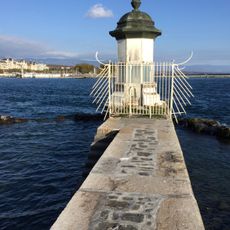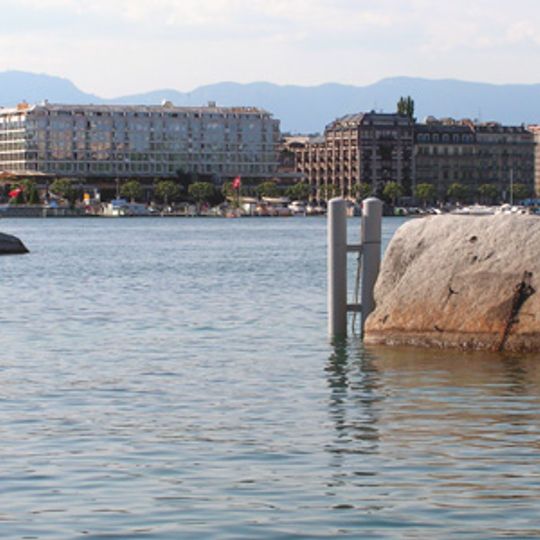
Pierres du Niton, Glacial erratics in Geneva harbor, Switzerland
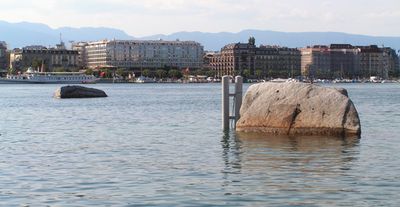
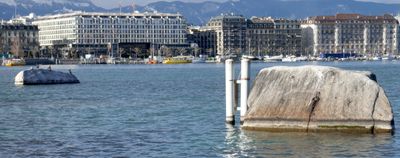
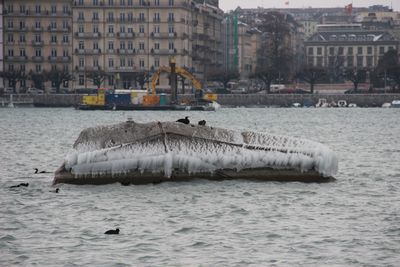
The Pierres du Niton are two granite boulders rising from Lake Geneva with distinctly different heights above the waterline. The larger stone dominates the view while the smaller remains clearly visible from the shore.
During the last ice age, glacial ice from the Mont Blanc massif carried these rocks across the landscape and left them here as the glaciers retreated. In the 1700s a scientist named Horace-Bénédict de Saussure recognized their alpine origin and studied them.
The name Niton comes from Neptune, the Roman god of water venerated by Gallic peoples who lived along this shoreline. These rocks held meaning for early settlers as a place where the everyday and sacred worlds met.
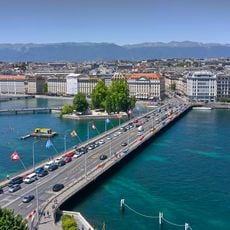
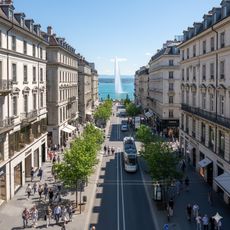
You can see these boulders from the Quai Gustave-Ador on the lake's left bank where the waterfront promenade offers good views. The clearest views come on days when the water is calm and the light is bright.
These stones served for many centuries as crucial reference points for Swiss mapmakers and surveyors who needed exact locations for their work. This technical role is less known today, yet it reveals how natural features were used to map the country with precision.
The community of curious travelers
AroundUs brings together thousands of curated places, local tips, and hidden gems, enriched daily by 91,804 contributors worldwide.