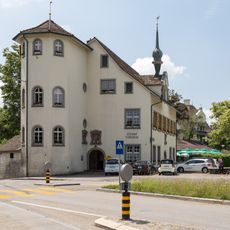
Schweizersbild, Rock shelter and archaeological site in Herblingen district, Schaffhausen, Switzerland.
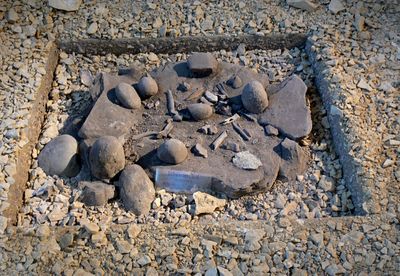
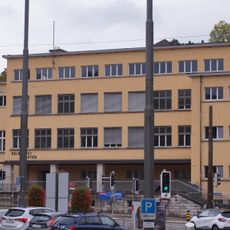
Schweizersbild is a rock shelter formed by a 16-meter-high limestone wall at the foot of two prominent rock heads, near a spring. Its overhanging roof still covers 60 square meters. The site lies at the edge of an industrial zone by the Schweizersbild exit of the A4 motorway in the Herblingen quarter of Schaffhausen.
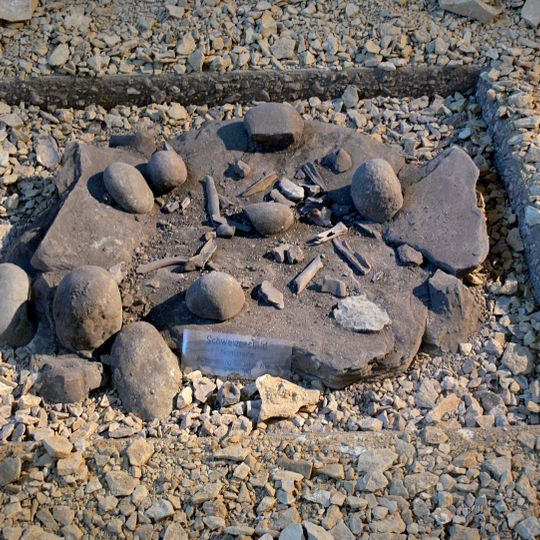
Jakob Nüesch discovered the site in 1891 and excavated it between 1891 and 1893, uncovering settlement traces of Magdalenian reindeer hunters dated to about 12,000 BC. In 1895 August Hedinger published the results of geological analyses of the site's prehistoric artefacts as a memoir of the Swiss Society of Friends of Nature.
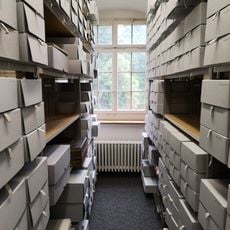
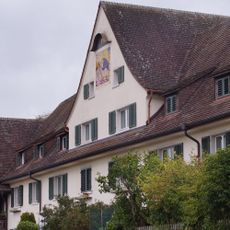
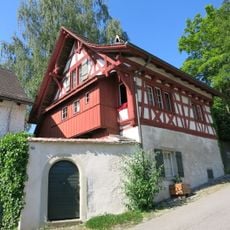
The name comes from Schaffhausen citizen Schwytzer, who in the Middle Ages had a small house built around a holy image; the name later passed to the rocks, and the house was demolished in the 19th century. Finds include a small female figurine of gagat, a form of petrified coal, picked up by chance in the excavation spoil. Many pieces are shown in the Museum zu Allerheiligen in Schaffhausen.
The site is accessible to visitors wanting to explore the archaeological remains, while climbers can use the steep limestone routes in the surrounding area. Sturdy footwear is recommended due to the uneven terrain and rocky paths.
Among the finds were a child's grave, a hearth and a flint-knapping floor, plus a rib fragment of a woolly rhinoceros; a rhinoceros lower jaw turned up nearby in the limestone tufa quarries at Flurlingen. A small female figurine of jet was spotted by chance in the excavation spoil.
The community of curious travelers
AroundUs brings together thousands of curated places, local tips, and hidden gems, enriched daily by 92,722 contributors worldwide.