Blumenstein Museum, Local history museum in Solothurn, Switzerland.
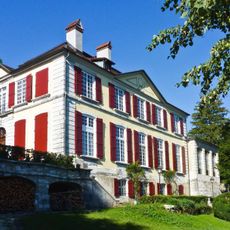
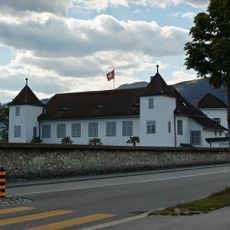
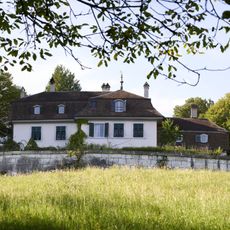
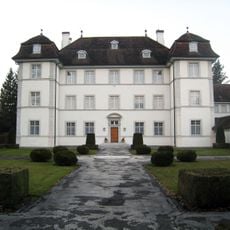
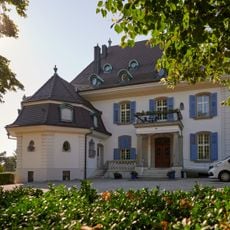
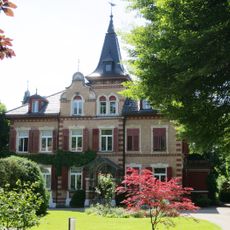
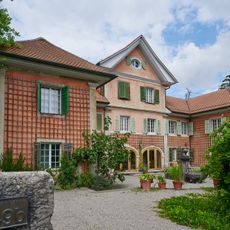
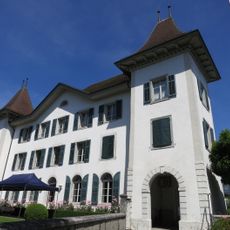
Blumenstein Museum occupies the baroque Blumenstein country estate, rebuilt between 1725 and 1729 by master builder Jean Fortier around a vaulted cellar from 1656. The compact main building, with its restrained facade and a courtyard, fountain house and garden vault, stands in a Solothurn residential quarter. Inside, intermediate floors and a hidden staircase for servants reflect the comfort sought by the French-oriented Solothurn patriciate of the Régence period.
The collection was assembled from the 1860s for a planned city museum, which opened in 1902 as a multi-department house. When the Hirt-Baumgartner couple offered the former Blumenstein country estate to the city in 1950, the historical-antiquarian holdings moved there. The museum opened in the estate on 3 May 1952. The estate itself was rebuilt from 1725 to 1729 by master builder Jean Fortier for Franz Heinrich von Stäffis-Mollondin.
The ground floor rooms show how wealthy families lived in the 18th century, with original furniture and portraits on the walls. Walking through, you notice the objects and furnishings that were part of daily life for this social class.
The museum sits in a residential quarter of Solothurn, in the former Blumenstein country estate; the main building, cour d'honneur, well house and garden vault form one ensemble. The representative ground-floor rooms are also rented for public and private events, so parts of the house may be closed during functions.
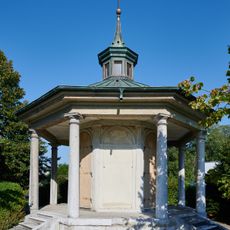
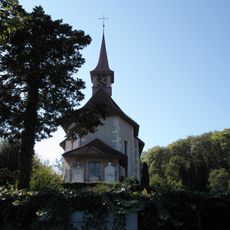
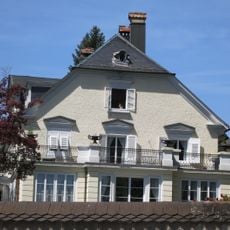
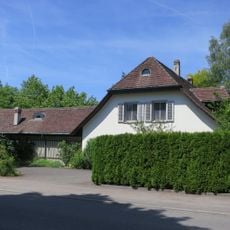
The museum's garden survives only in fragments: the retaining walls, the Fegetzallee avenue laid out around 1700, two garden pavilions built in 1711 and the 1721 orangery, converted into a two-family house in the 1920s. The estate covered 20 hectares in 1797; its seven-terrace ornamental garden of 1699–1703 now lies under housing.
The community of curious travelers
AroundUs brings together thousands of curated places, local tips, and hidden gems, enriched daily by 92,768 contributors worldwide.