Jiuzhaigou Valley, Protected area in Sichuan, China.
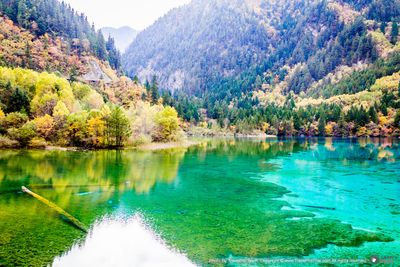
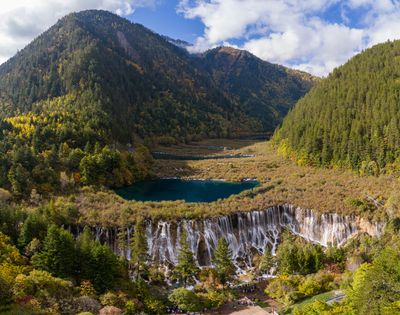
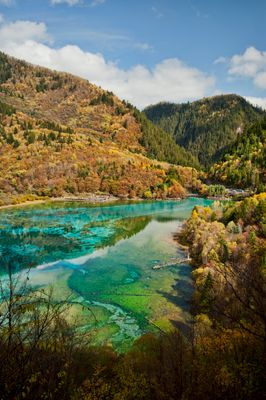
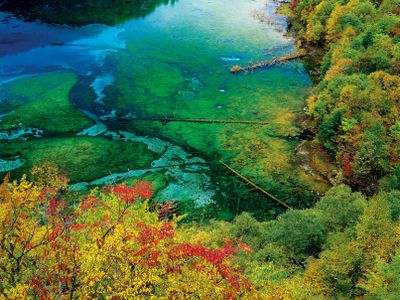
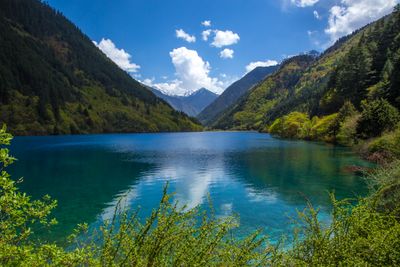
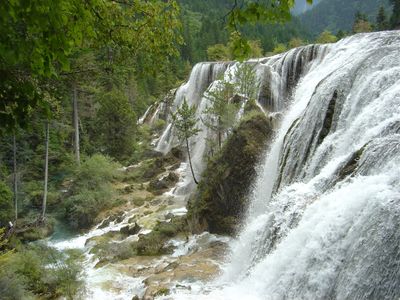
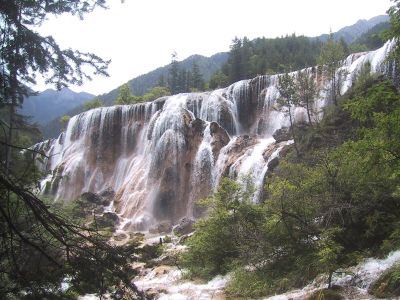
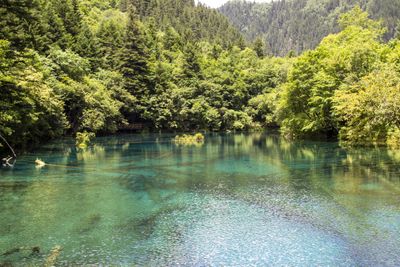
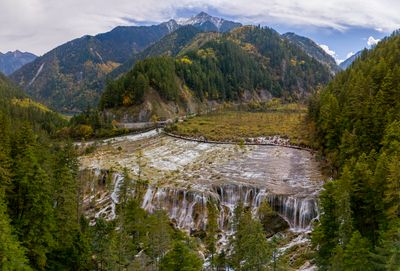
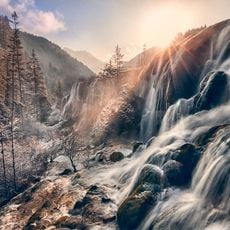
Jiuzhaigou Scenic Area Administration manages a reserve in northern Sichuan with hundreds of lakes spread across three branching valleys. The waterfalls range from small cascades to wide curtains that drop over limestone steps.
The valley remained cut off from the outside world for centuries until loggers discovered it in the 1970s. The government stopped commercial use and converted it into a nature park that gained international recognition.
The name means "Valley of Nine Villages" and refers to the Tibetan settlements that still exist within the reserve today. Visitors see prayer flags along the paths and can try local dishes like tsampa and butter tea in the villages.
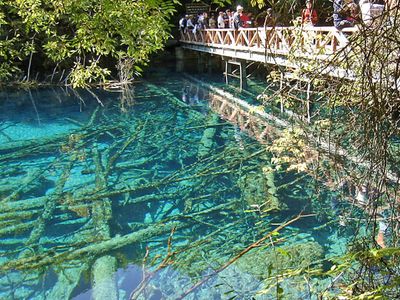
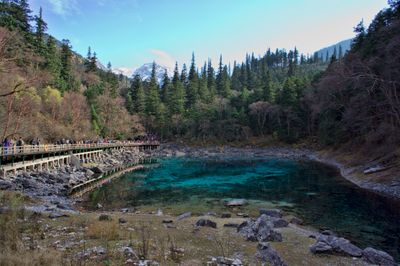
Most visitors follow the wooden boardwalks that wind around the lakes and cross flat sections. The shuttle buses stop at major points in each valley, and walking between stops reveals quieter corners.
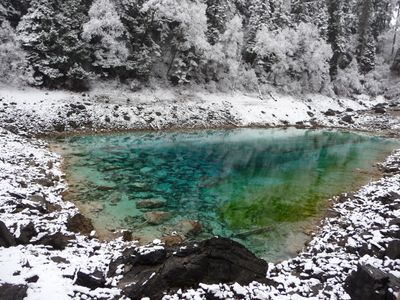
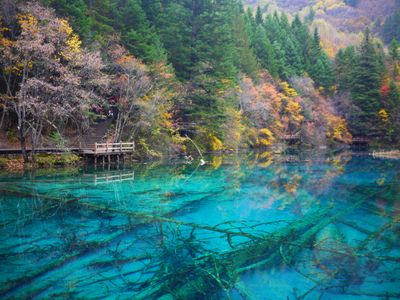
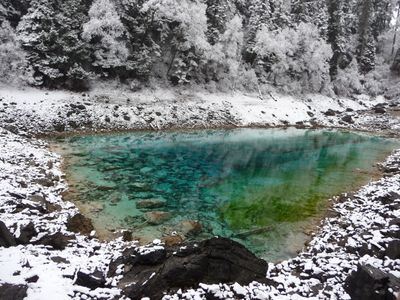
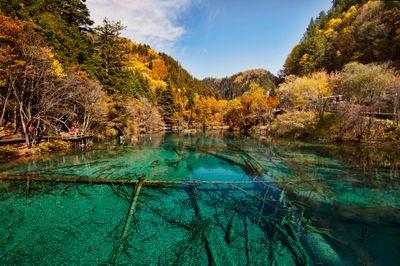
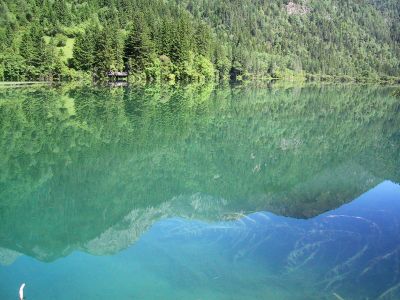
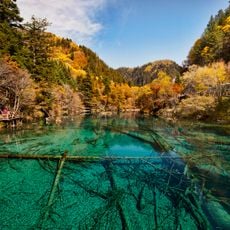
The lakes change color depending on light and season, from deep turquoise in summer to green tones in autumn. Some waters show submerged tree trunks that lie beneath the clear surface and look like sculptures.
Location: Sichuan
Inception: 1978
Address: Jiuzhaigou County, Ngawa Tibetan and Qiang Autonomous Prefecture, Sichuan, China, 623402
Phone: +868377739753
Website: http://jiuzhai.com
GPS coordinates: 33.20000,103.90000
Latest update: December 4, 2025 23:05
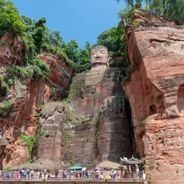
Sichuan Province in southwestern China contains some of the country's most important natural areas and cultural sites. Visitors will find major Buddhist temples on Mount Emei, the 233-foot (71-meter) Leshan Giant Buddha carved in the 8th century, and the Dujiangyan Irrigation System that has operated for over 2,000 years. The provincial capital of Chengdu serves as a base for exploration and hosts the primary giant panda breeding facility, along with historic streets and temples. The province is also known for its mountain landscapes, including the 24,790-foot (7,556-meter) Mount Gongga and the national parks of Jiuzhaigou and Huanglong, with their limestone formations and waterways. Wolong Nature Reserve and the research base in Chengdu allow observation of pandas in protected facilities. In Danba, traditional stone watchtowers stand in valleys, while Tagong Monastery represents the Tibetan heritage of the western region. The area provides a combination of natural attractions and historical sites with infrastructure for travelers of different interests. From temples and museums in Chengdu to mountain trails in the west, the territory spans different elevations and climate zones.
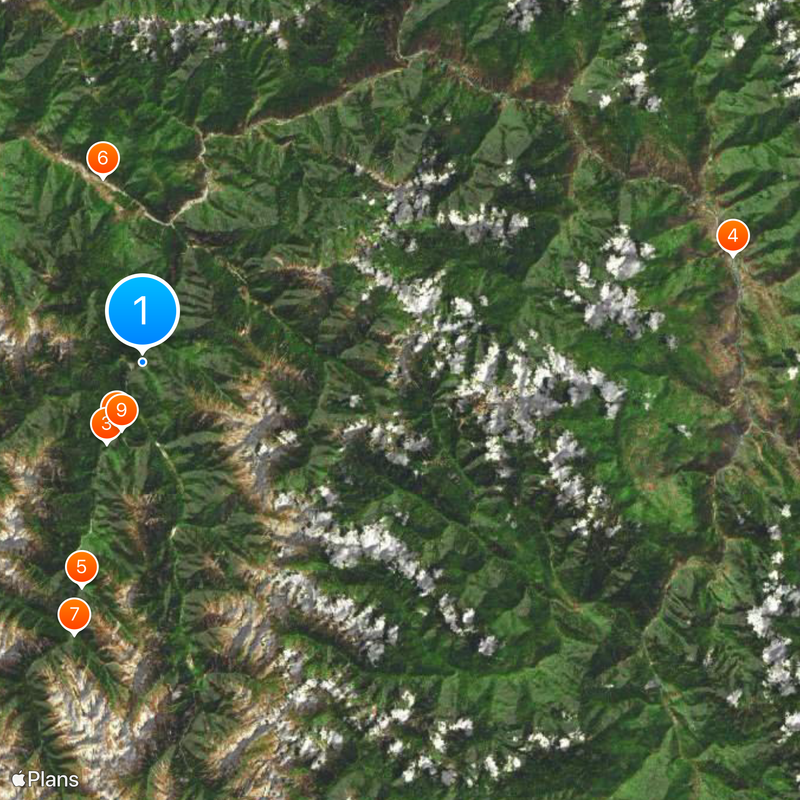
Huanglong
53.2 km
Dagu Glacier Gondola
149.6 km
Pearl Shoal Waterfall
3.8 km
Dhe-Tsang Monastery
196.4 km
Beichuan Earthquake Museum
162.9 km
Jianmen Shudao National Park
190.6 km
Bao'en Temple
105.8 km
Taktsang Lhamo Monastery
153.9 km
Qiqushan Temple
207 km
Thousands buddhas cliff
199.1 km
Yingpanshan Site
172.3 km
Gospel Church, Mianyang
210.2 km
Nangzhik Gompa
204.7 km
Munigou
77.4 km
Dabuzi
170.1 km
Huangze Temple
197.7 km
姜维城遗址
194.2 km
Kaixi Temple
202 km
Yuquan Temple
217.3 km
Baozhusi Dam
176.9 km
Baishuihe Shuiku
189.1 km
Huanglong Biosphere Reserve
64.6 km
Five Flowers Lake
4.8 km
Li Bai Memorial Hall
176.8 km
Songpan North mosque
67.9 km
Renmin Shuiku
179.2 km
Yousuotun mosque
62.5 km
Reviews
Visited this place? Tap the stars to rate it and share your experience / photos with the community! Try now! You can cancel it anytime.
Discover hidden gems everywhere you go!
From secret cafés to breathtaking viewpoints, skip the crowded tourist spots and find places that match your style. Our app makes it easy with voice search, smart filtering, route optimization, and insider tips from travelers worldwide. Download now for the complete mobile experience.
A unique approach to discovering new places❞
— Le Figaro
All the places worth exploring❞
— France Info
A tailor-made excursion in just a few clicks❞
— 20 Minutes