See the monuments around you in AROpen chests in the app
Around Us is built for your phone — point your camera at the streets and discover the monuments and places around you in augmented reality.Around Us is built for your phone — chests unlock when you walk, explore and capture nearby places.
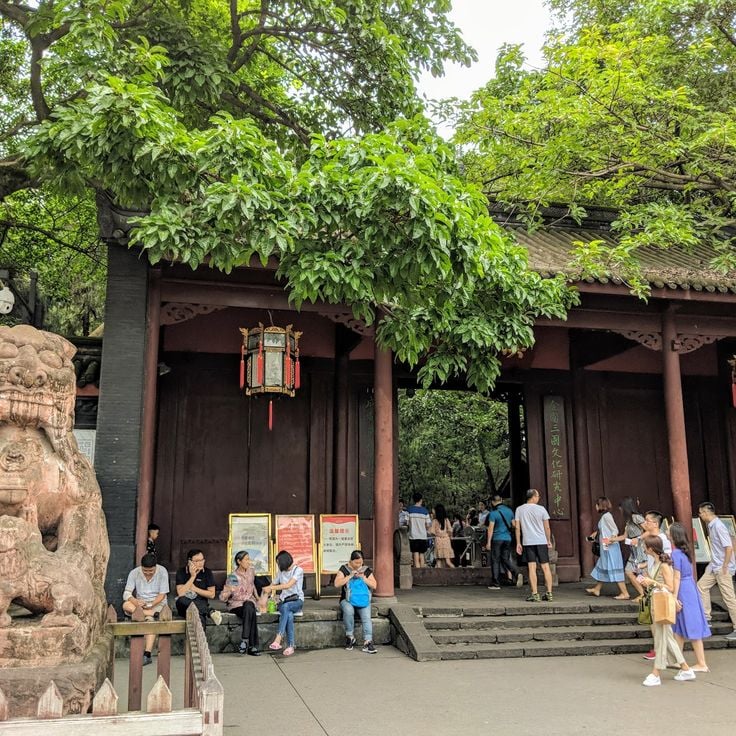
Sichuan Province in southwestern China contains some of the country's most important natural areas and cultural sites. Visitors will find major Buddhist temples on Mount Emei, the 233-foot (71-meter) Leshan Giant Buddha carved in the 8th century, and the Dujiangyan Irrigation System that has operated for over 2,000 years. The provincial capital of Chengdu serves as a base for exploration and hosts the primary giant panda breeding facility, along with historic streets and temples.
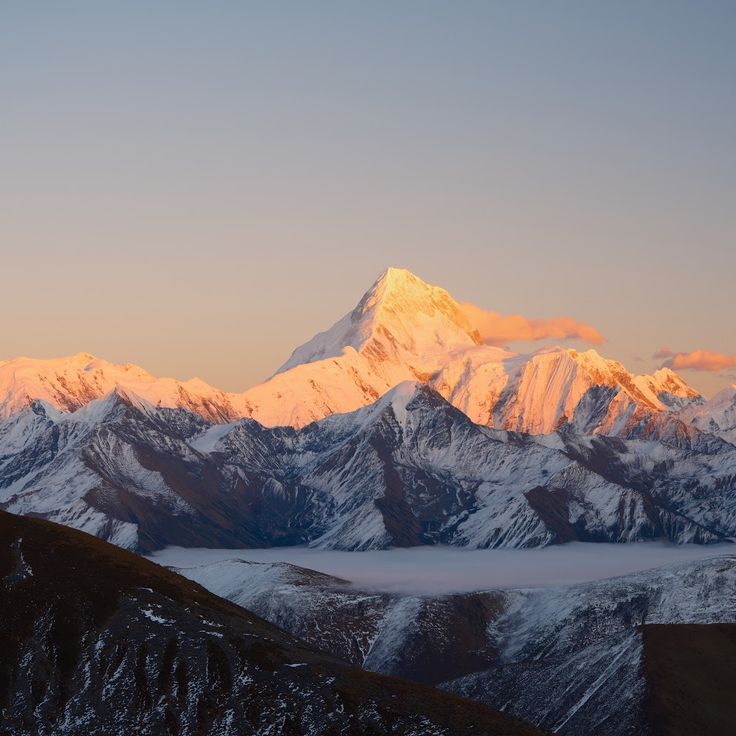
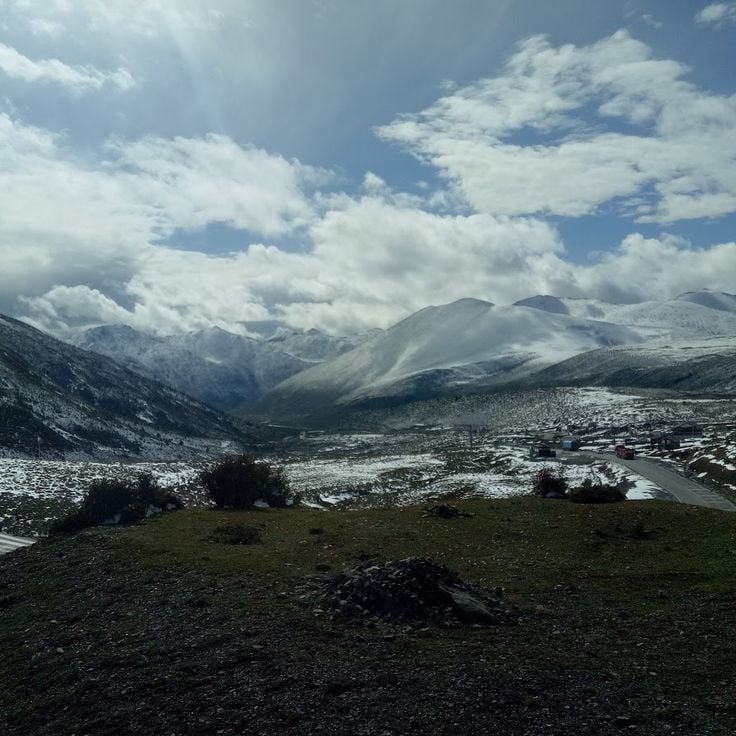
The province is also known for its mountain landscapes, including the 24,790-foot (7,556-meter) Mount Gongga and the national parks of Jiuzhaigou and Huanglong, with their limestone formations and waterways. Wolong Nature Reserve and the research base in Chengdu allow observation of pandas in protected facilities. In Danba, traditional stone watchtowers stand in valleys, while Tagong Monastery represents the Tibetan heritage of the western region.
The area provides a combination of natural attractions and historical sites with infrastructure for travelers of different interests. From temples and museums in Chengdu to mountain trails in the west, the territory spans different elevations and climate zones.
Sichuan Province in southwestern China contains some of the country's most important natural areas and cultural sites. Visitors will find major Buddhist temples on Mount Emei, the 233-foot (71-meter) Leshan Giant Buddha carved in the 8th century, and the Dujiangyan Irrigation System that has operated for over 2,000 years. The provincial capital of Chengdu serves as a base for exploration and hosts the primary giant panda breeding facility, along with historic streets and temples.
The province is also known for its mountain landscapes, including the 24,790-foot (7,556-meter) Mount Gongga and the national parks of Jiuzhaigou and Huanglong, with their limestone formations and waterways. Wolong Nature Reserve and the research base in Chengdu allow observation of pandas in protected facilities. In Danba, traditional stone watchtowers stand in valleys, while Tagong Monastery represents the Tibetan heritage of the western region.
The area provides a combination of natural attractions and historical sites with infrastructure for travelers of different interests. From temples and museums in Chengdu to mountain trails in the west, the territory spans different elevations and climate zones.
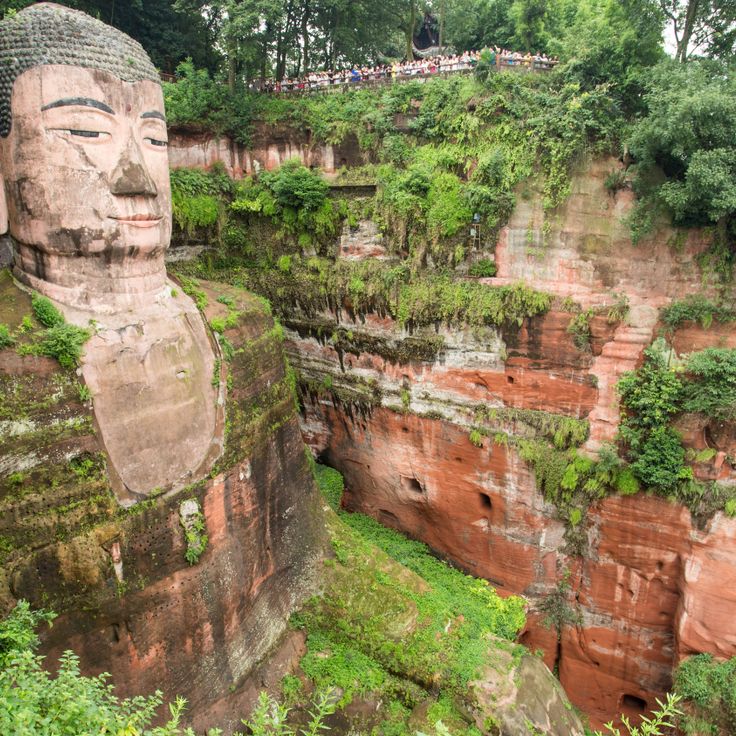
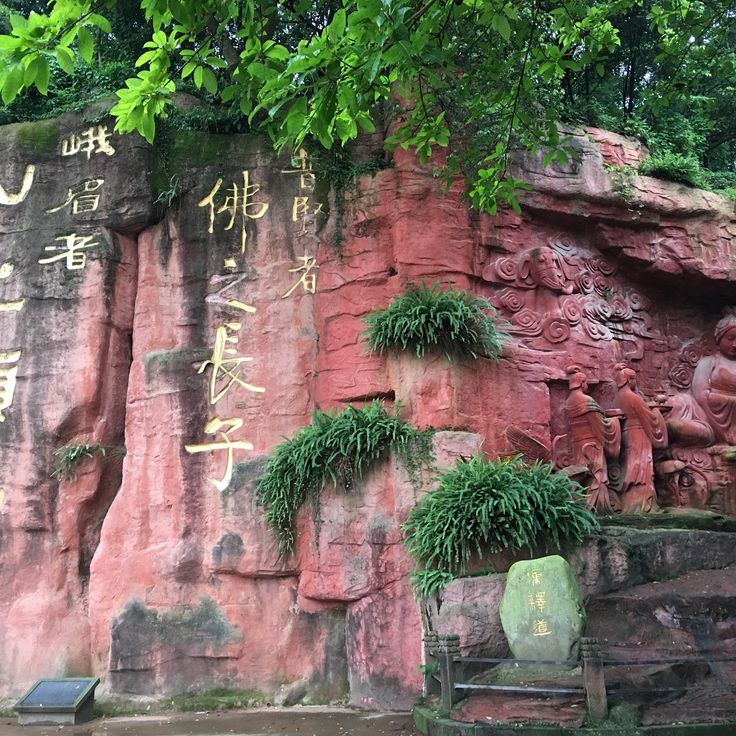
This 71-meter (233-foot) Buddha statue ranks among the world's largest stone-carved Buddhist figures. Workers carved the figure into a red sandstone cliff between the 8th and 9th centuries at the confluence of three rivers. Construction began in 713 under monk Haitong and reached completion in 803. The Buddha sits with hands resting on his knees, facing the meeting point of the Min, Dadu and Qingyi rivers. Visitors can view the statue via a stairway system from above or by boat from the river. The site holds UNESCO World Heritage status and demonstrates the technical capabilities and religious importance of Tang Dynasty Buddhism in Sichuan.
This mountain reserve north of Chengdu was established in 1963 as a research and breeding center for giant pandas. The protected area covers 772 square miles (2,000 square kilometers) and encompasses extensive bamboo forests that provide the primary food source for the bears. Around 150 wild pandas inhabit the reserve alongside snow leopards, red pandas and golden snub-nosed monkeys. The research facilities allow visitors to observe the animals at close range and learn about their ecology and conservation needs. Guided trails lead through the forested valleys where the pandas feed and rest.
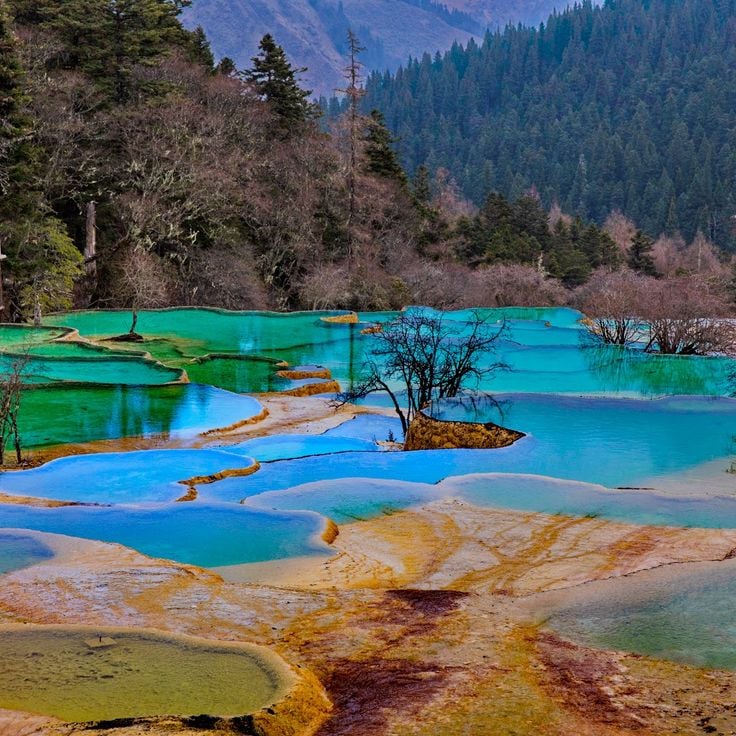
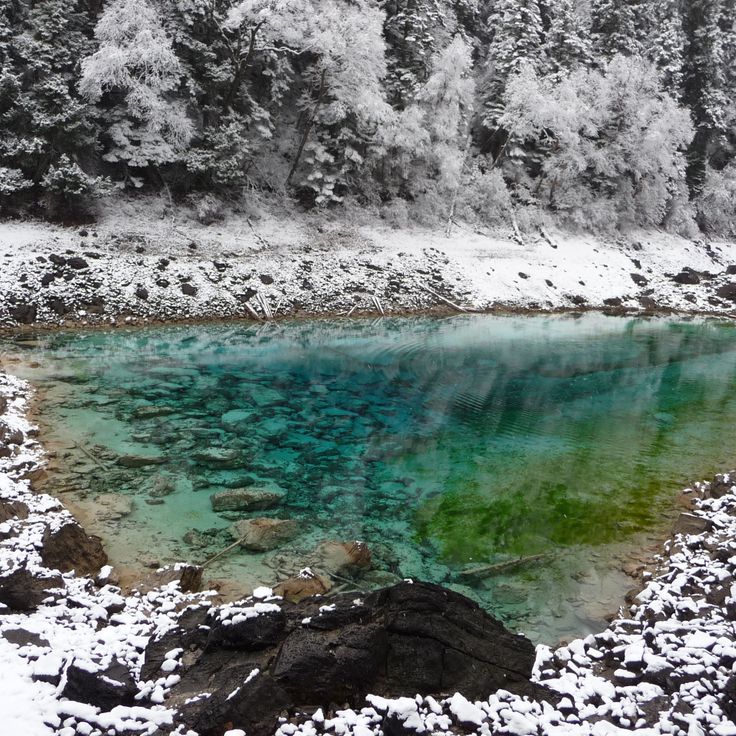
Huanglong National Park extends across a valley in the mountains north of Songpan and contains a series of travertine terraces formed by mineral-rich water. The terraces create natural pools in shades of blue and green. The park sits at elevations between 10,170 and 18,360 feet (3,100 to 5,588 meters) and includes forests, alpine meadows and several waterfalls. Visitors follow a boardwalk that runs through the valley and provides access to the main formations.
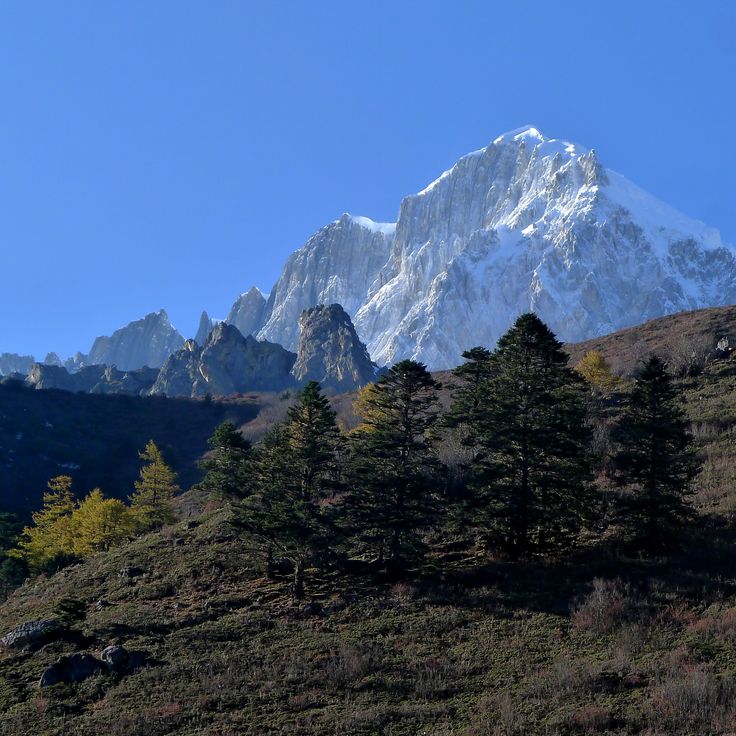
Mount Gongga is the highest peak in Sichuan Province, rising to 7,556 meters (24,790 feet). Permanent glaciers cover its flanks, while several valleys offer trekking opportunities for experienced mountaineers. The summit sits west of Kangding within the Hengduan Mountains and serves as a prominent landmark in the region.
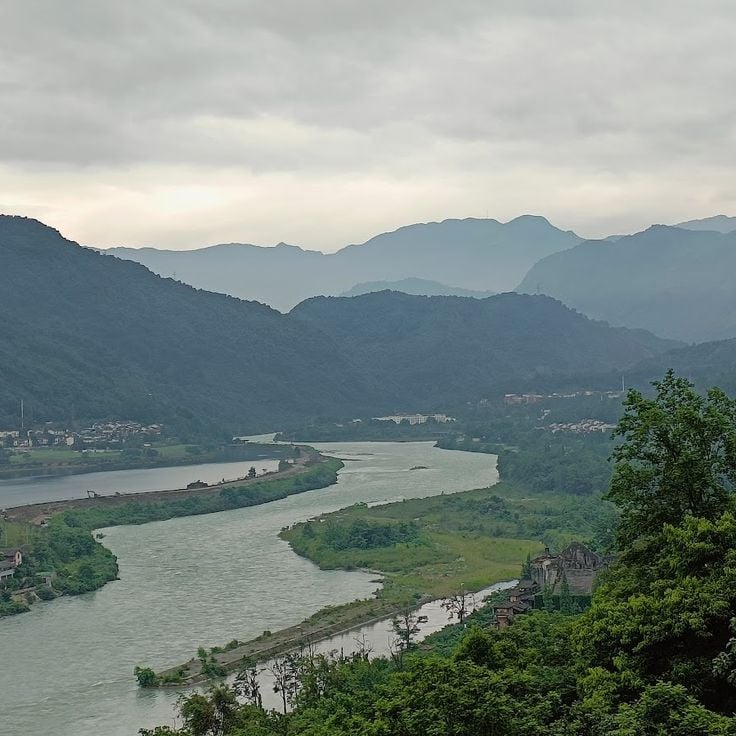
This hydraulic system built in 256 BC regulates the flow of the Min River and distributes water through a network of canals into the Chengdu Plain. The facility continues to operate without dams, using natural topography to control water flow. Visitors can examine the three main components: the Fish Mouth Levee, the Flying Sand Weir and the Bottle Neck Channel. The system still irrigates over 2000 square miles (5300 square kilometers) of farmland.
The Danba valleys form part of Sichuan's traditional Tibetan settlement areas and feature multi-story stone houses clinging to steep mountain slopes. Residents maintain their Tibetan customs and ways of life at elevations between 5900 and 9800 feet (1800 to 3000 meters). This region adds to the province's cultural variety with its Tibetan architecture and terraced farming.
The Jiuzhaigou nature reserve covers 72,000 hectares (280 square miles) and protects over one hundred turquoise lakes, multiple waterfalls and extensive conifer forests in the Sichuan mountains. The area sits at elevations between 2,000 and 4,500 meters (6,500 to 14,800 feet) and is home to endangered species including the giant panda and the golden snub-nosed monkey. The limestone formations have created travertine terraces and natural dams over thousands of years, which retain water in the lakes and give them their characteristic colors.
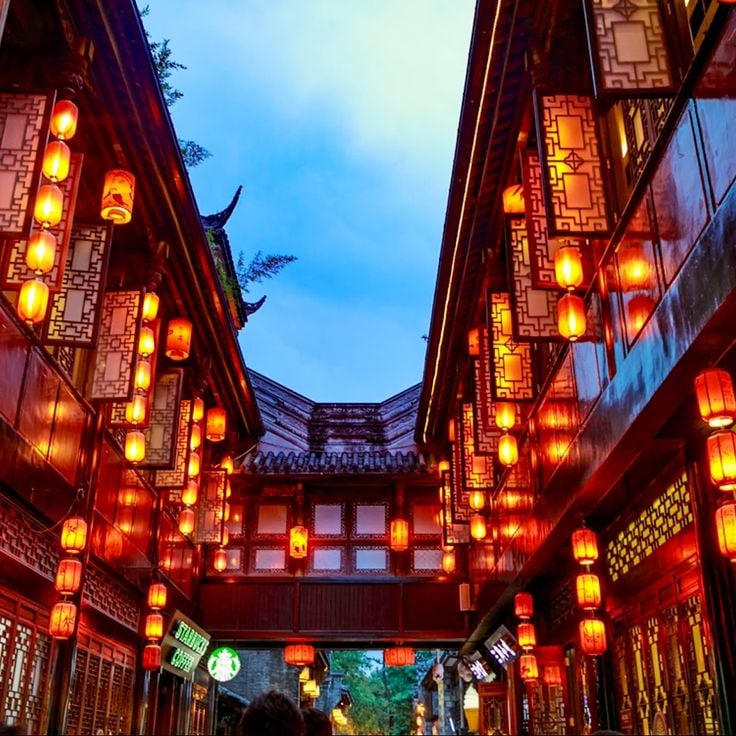
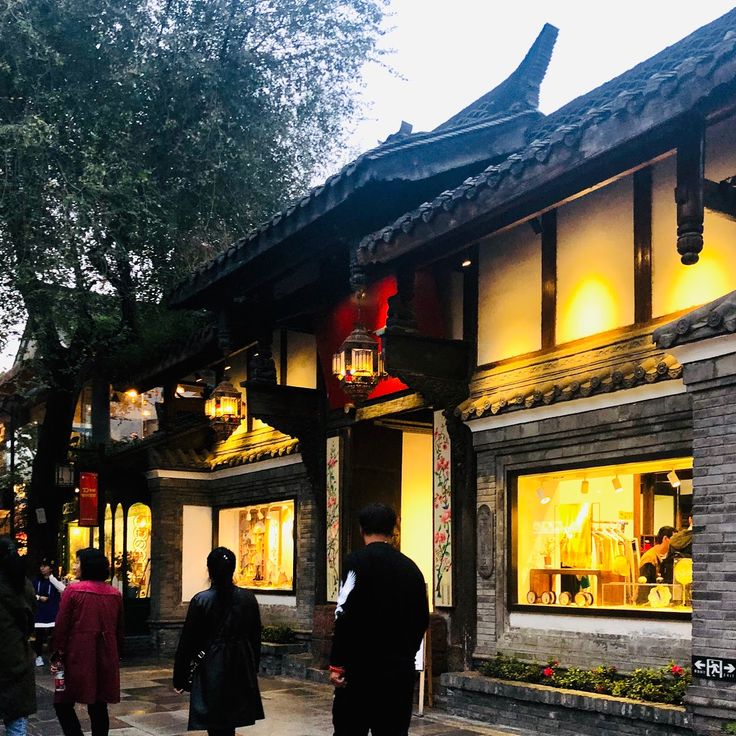
This traditional pedestrian street in downtown Chengdu preserves Qing Dynasty architecture with its timber structures and stone paving. Along Jinli Street, vendors offer regional specialties, handcrafted goods and local snacks, while teahouses and small restaurants present Sichuan's culinary traditions. The street combines historical construction with the activity of a modern market district.
Mount Emei rises to 10,167 feet (3,099 meters) and ranks among the four sacred mountains of Chinese Buddhism. More than 30 temples from the Ming and Qing dynasties dot its forested slopes, which also serve as habitat for macaques. The ascent passes through different climate zones and offers insight into centuries of religious architecture.
Mount Siguniang rises to 20,505 feet (6,250 meters) in western Sichuan Province, forming the highest massif in the Qionglai Mountains. Four principal peaks shape the skyline of this mountain range, with the Yaomei summit reaching the greatest elevation. Glaciers cover the upper slopes and feed several valleys that descend through alpine meadows and conifer forests. Trails access the lower zones, while technical routes lead experienced climbers toward the glaciated summits. This mountain landscape ranks among the province's most important natural areas and draws visitors seeking to explore high-altitude terrain.
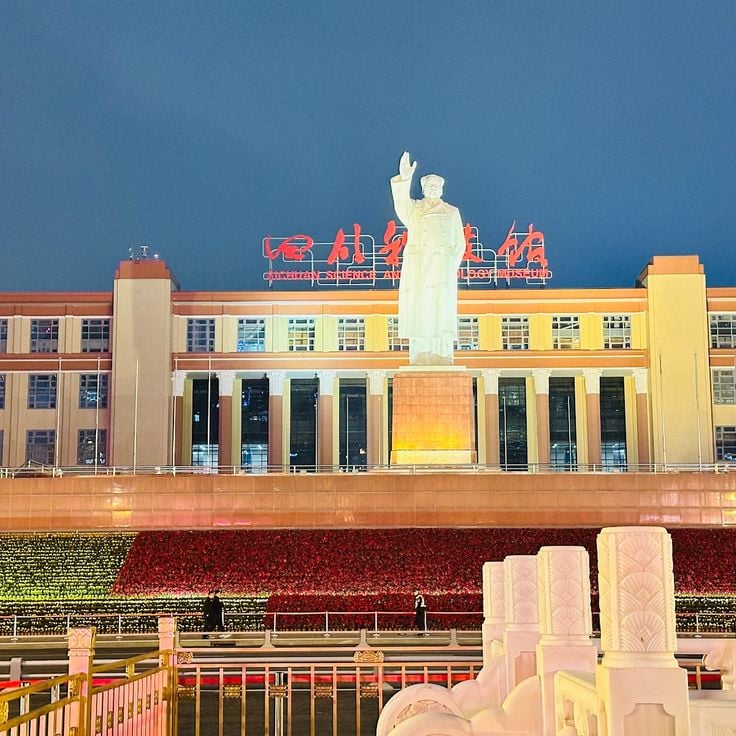
Tianfu Square sits at the center of Chengdu and serves as the main public square in the Sichuan provincial capital. A statue of Mao Zedong, standing roughly 100 feet (30 meters) tall, rises from the middle of this expansive plaza, surrounded by government buildings and commercial centers. Several subway lines converge beneath the square, connecting different parts of the city. The square functions as a central reference point for visitors navigating the metropolis and offers a clear example of urban planning in contemporary Chinese cities.
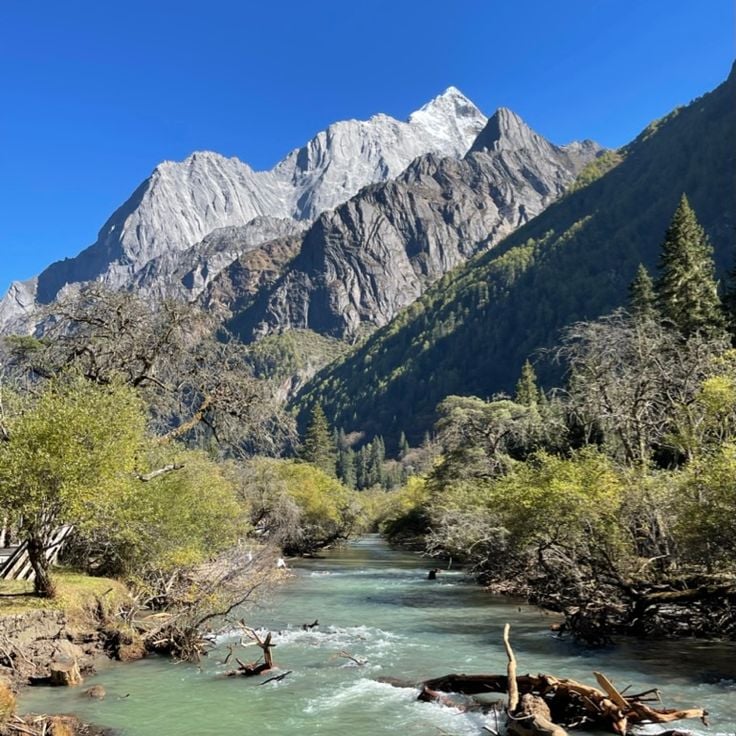
This national park covers 520 square miles (1,344 square kilometers) and protects three sacred Tibetan peaks, alpine meadows and high-altitude lakes. The highest summits reach elevations above 19,700 feet (6,000 meters). The reserve lies in a remote area of Sichuan Province and draws pilgrims and trekkers exploring the Tibetan-influenced landscape.
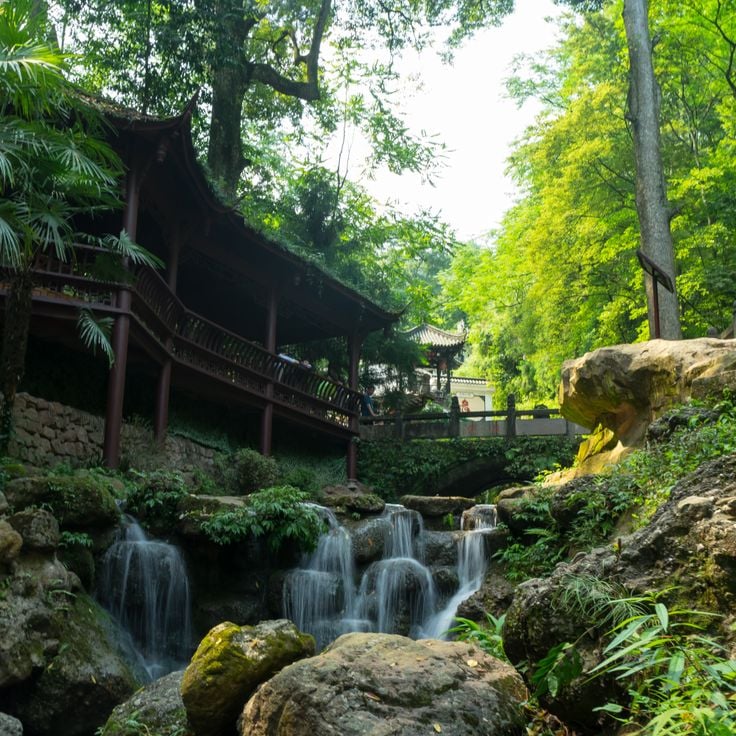
Mount Qingcheng has served as a center of Taoism since the second century and contains several historic temples where Taoist masters continue their teachings. The mountain slopes hold pavilions, halls and shrines connected by stone pathways and trails. The summit reaches 4134 feet (1260 meters) in elevation and provides views across the forested valleys of the region. This spiritual site became a UNESCO World Heritage property in 2000 and attracts both pilgrims and hikers interested in exploring the religious structures and surrounding landscape.
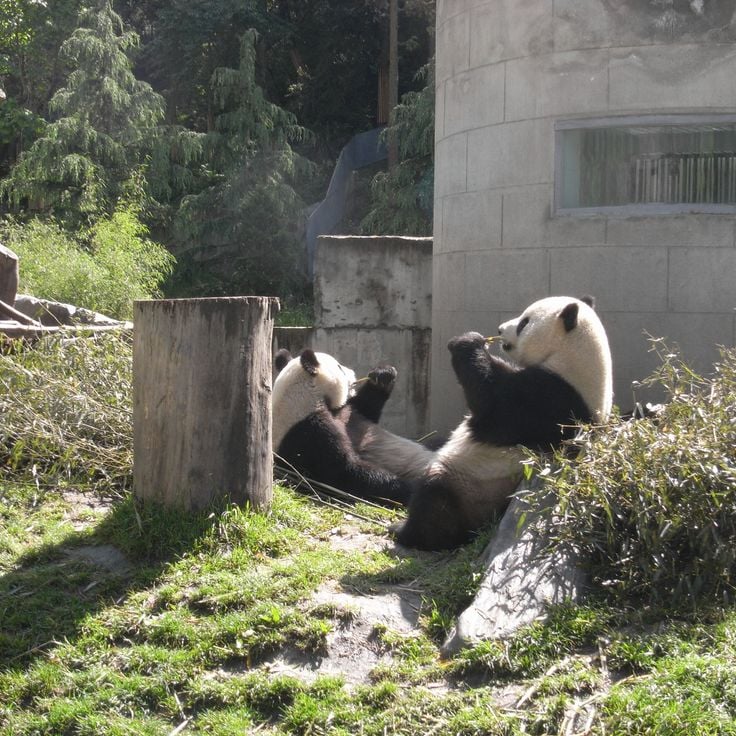
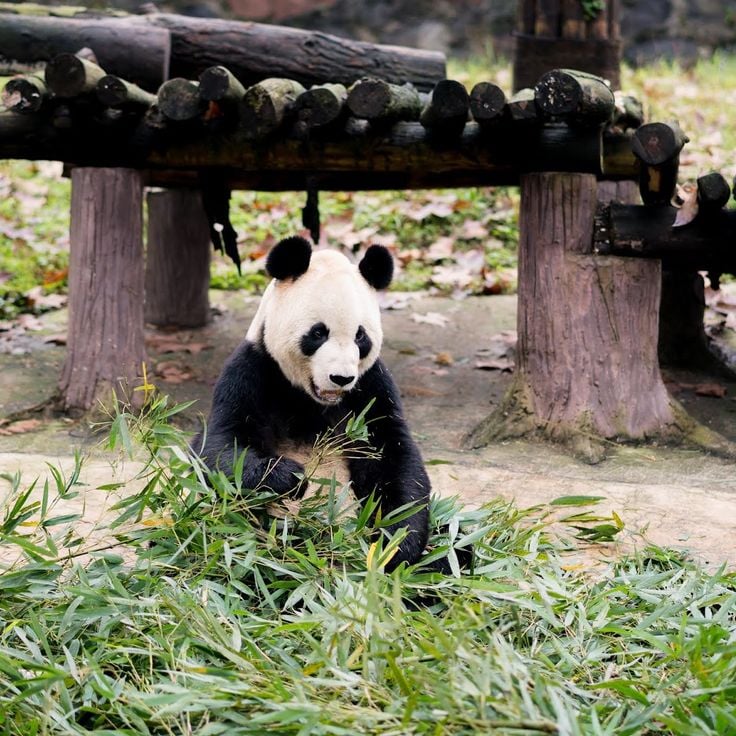
This research and breeding center north of Chengdu has operated conservation programs for the giant panda since 1987, studying behavior, reproduction and medical care. The facility includes several enclosures set in parklike grounds where visitors can observe the animals feeding and playing. Scientists here work on techniques for reintroducing pandas to the wild. The center also breeds red pandas and other endangered species native to Sichuan.
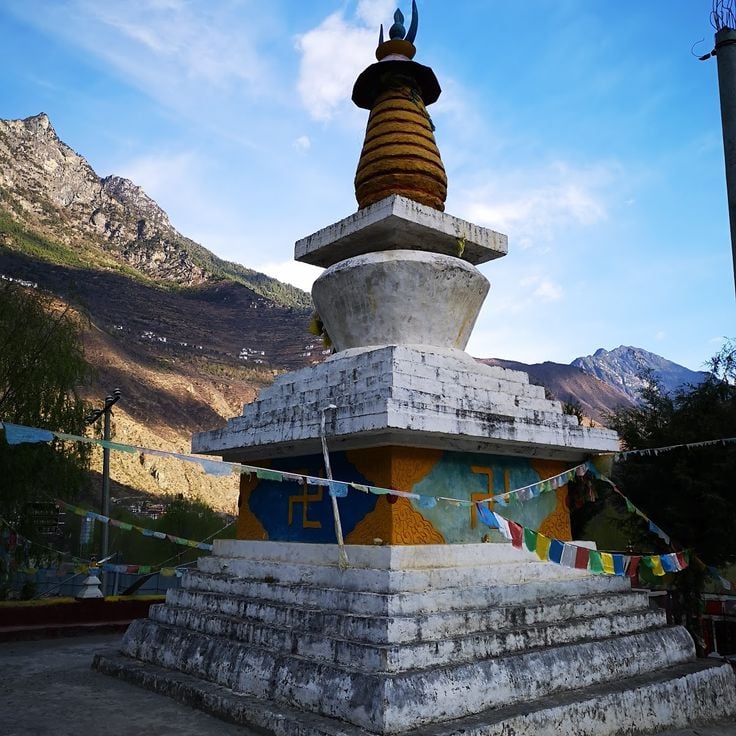
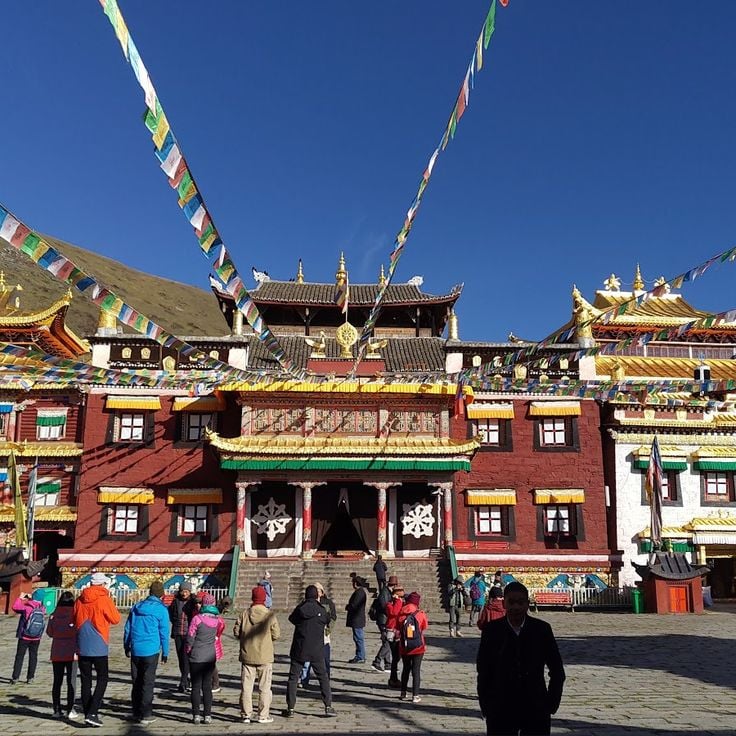
The Tagong Monastery is a Tibetan Buddhist monastery built in 652, located at 12,100 feet (3,700 meters) above sea level and featuring traditional architecture with gilded roofs and white walls. It offers insights into the religious practices of the region and stands against the backdrop of the Zhara Latse mountain.
This 17th-century temple in Chengdu honors Zhuge Liang, the celebrated strategist of the Three Kingdoms period. The complex displays historical artifacts from this era of Chinese history and houses a significant collection of inscriptions and sculptures. Visitors can walk through traditional gardens and explore the wooden halls dedicated to the statesman and his companions.
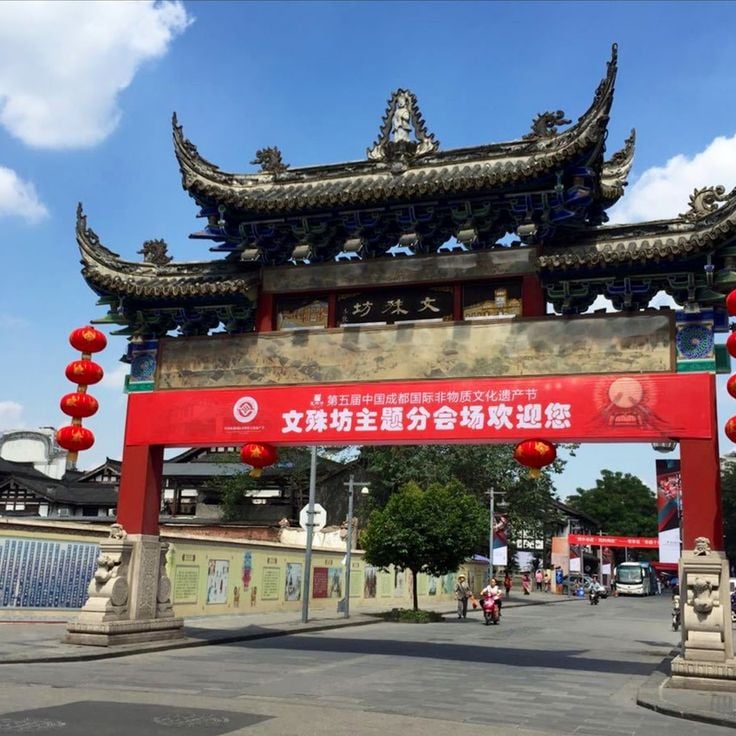
Kuanzhai Xiangzi comprises three parallel lanes dating from the Qing Dynasty with restored courtyard homes, local restaurants and teahouses. This historic residential quarter in central Chengdu offers insights into traditional regional architecture and now houses craft shops, calligraphy studios and small stages for Sichuan opera performances.
These high-elevation pastures near Kangding sit at 13,100 feet (4,000 meters), where Tibetan herders graze their yaks. Trails wind through the grasslands, providing opportunities to observe alpine flora adapted to this extreme altitude. The area offers insight into traditional pastoral practices and the way of life of Tibetan herding communities in the highlands of Sichuan.
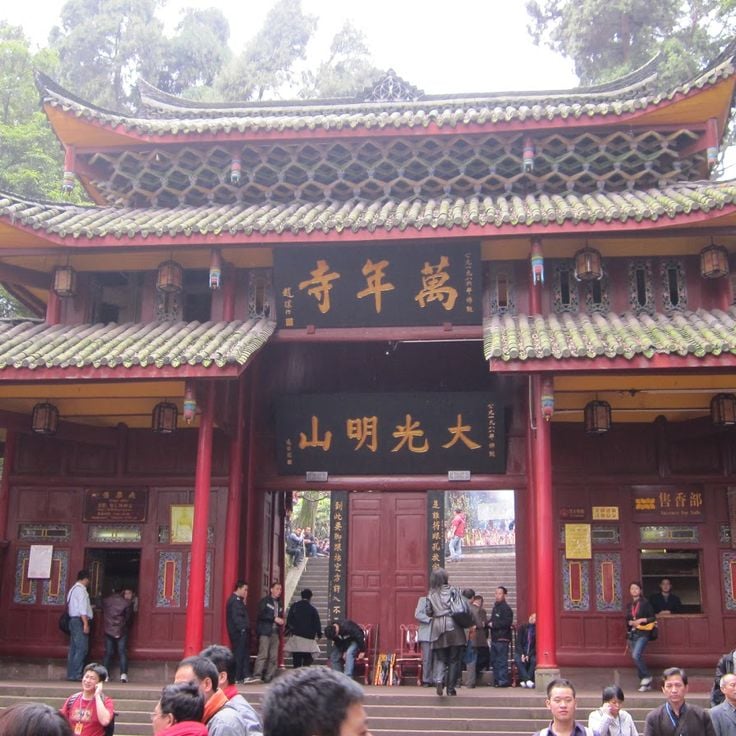
The Wannian Temple was built in 1020 during the Song Dynasty and houses a bronze statue of Puxian riding his six-tusked white elephant. The 10th-century statue is considered one of the most important Buddhist artworks in the region and depicts the bodhisattva in a meditative posture. The temple sits at around 3,350 feet (1,020 meters) up Mount Emei and can be reached by cable car or hiking trail. The brick main hall survived several fires that destroyed other buildings in the complex.
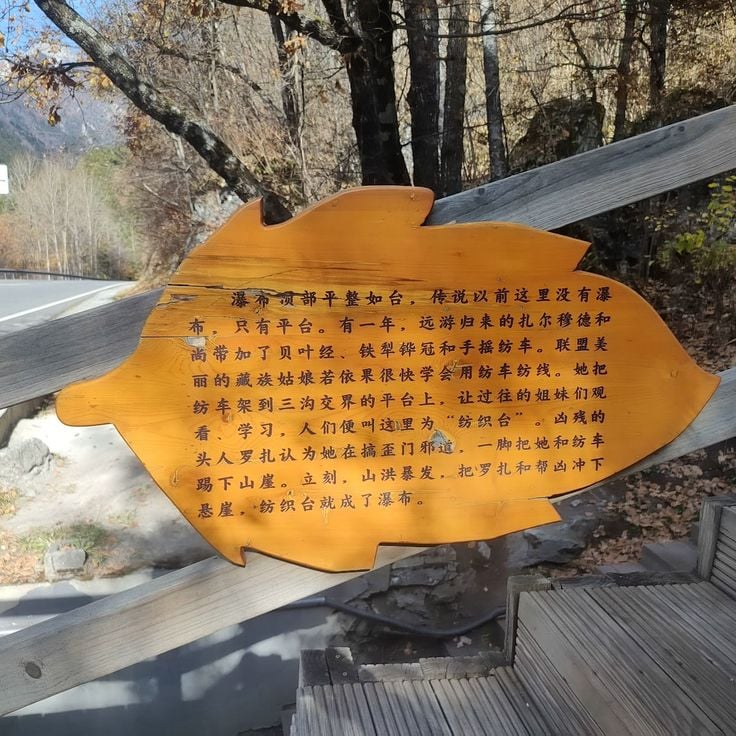
The Nuorilang Waterfall spans 1,050 feet (320 meters) in width and drops 82 feet (25 meters) over travertine formations in Jiuzhaigou National Park. Water flows across calcium carbonate deposits, creating a continuous curtain of white water during the rainy season. In winter, portions of the cascade freeze, forming ice sculptures along the rock face. The waterfall sits at 7,760 feet (2,365 meters) elevation and marks the junction of three valleys within the park.
This 17th-century Buddhist temple houses multiple prayer halls, a bonsai garden and a teahouse serving vegetarian dishes. Located in central Chengdu, the complex ranks among the most important religious sites in Sichuan Province and offers visitors insight into local devotional practices. The architecture follows traditional design principles with curved roofs and interior courtyards. The monastery holds a collection of Buddhist scriptures and artworks. The adjacent garden provides space for quiet reflection.
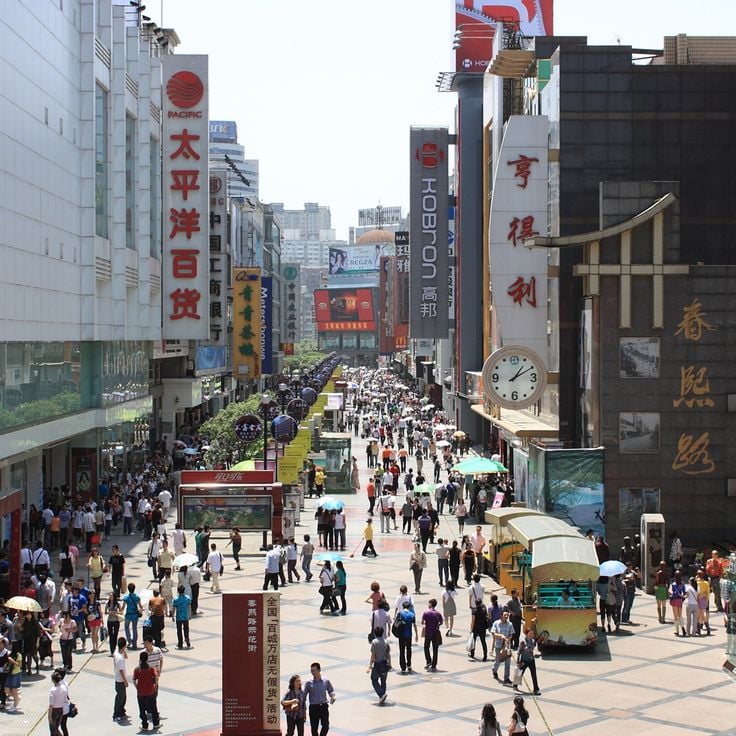
This central shopping street in Chengdu extends for nearly a mile (1.5 km) and represents the modern commercial face of the city with its many stores, restaurants and shopping centers, illuminated by neon lights after dark.
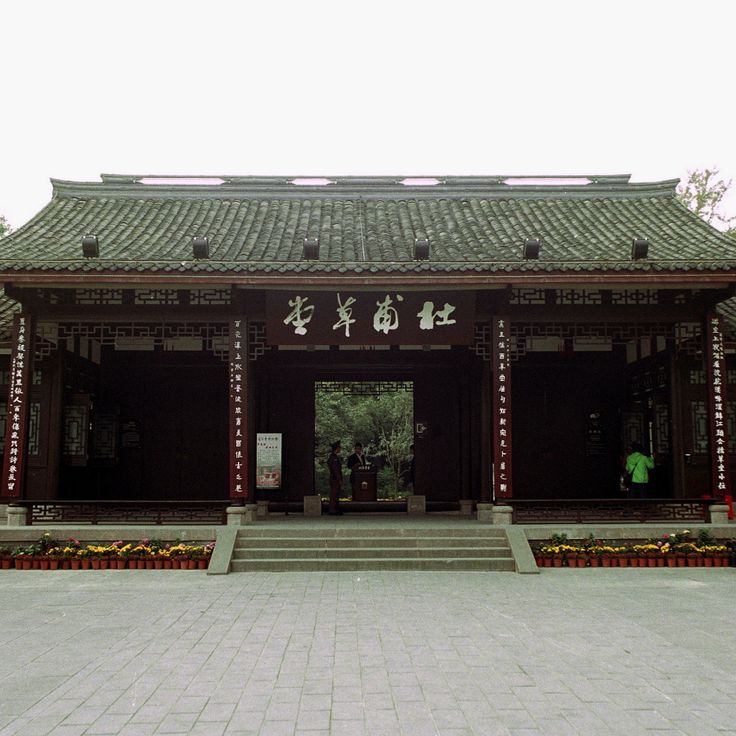
The Du Fu Cottage commemorates the stay of the celebrated Tang Dynasty poet in Chengdu between 759 and 763. The current structure was built in the 16th century and has been restored multiple times over the centuries. The 60-acre (24-hectare) grounds include traditional pavilions, a bamboo grove, a pond and gardens that reflect classical Chinese aesthetics. The main hall displays calligraphy and manuscripts related to Du Fu's work. This memorial site ranks among China's most important literary landmarks and attracts visitors interested in Tang Dynasty history and Chinese poetry.
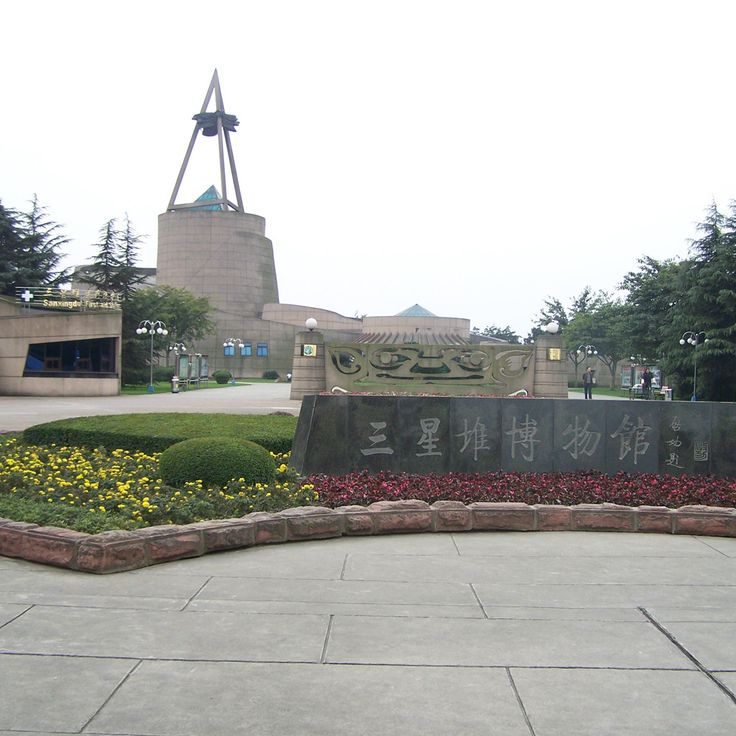
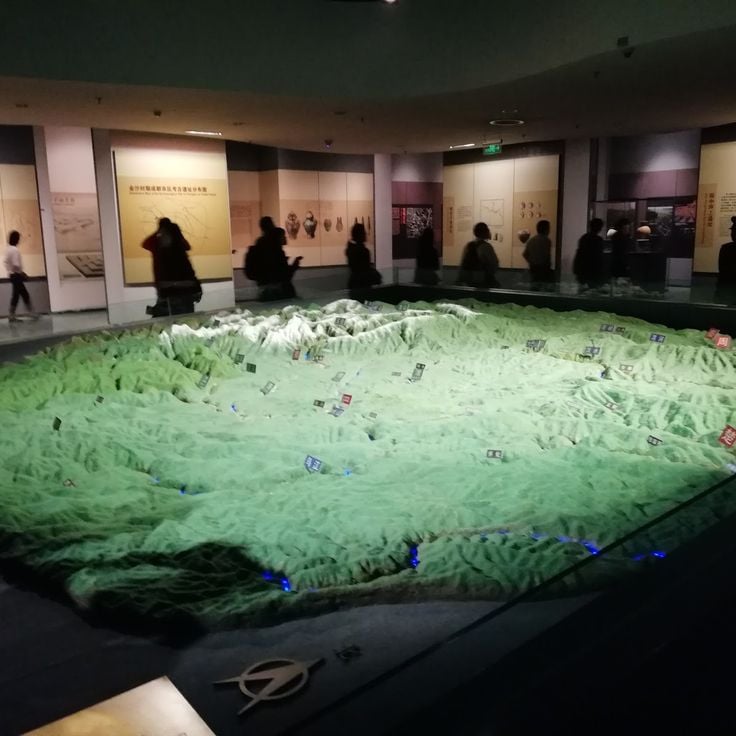
The Sanxingdui Museum displays over 1,000 archaeological objects from the ancient Shu civilization uncovered at nearby excavation sites. The collection includes bronze masks, gold scepters and jade artifacts dating from approximately 1200 to 1000 BC. These pieces document advanced bronze casting techniques and cultural practices of a sophisticated civilization that remained largely unknown until its rediscovery in the 1980s. The museum sits about 25 miles north of Chengdu and provides access to one of the most important archaeological sites in the Sichuan Basin.
The Jinsha Site Museum presents more than 6,000 archaeological objects in gold, bronze and jade dating from around 1200 BC, discovered in the former capital of the ancient Shu Kingdom. This collection documents one of the most important cultures in early Sichuan history and provides insight into the craftsmanship and religious practices of this civilization. The museum combines artifacts with modern exhibition techniques and sits on the actual excavation site where the objects were found.
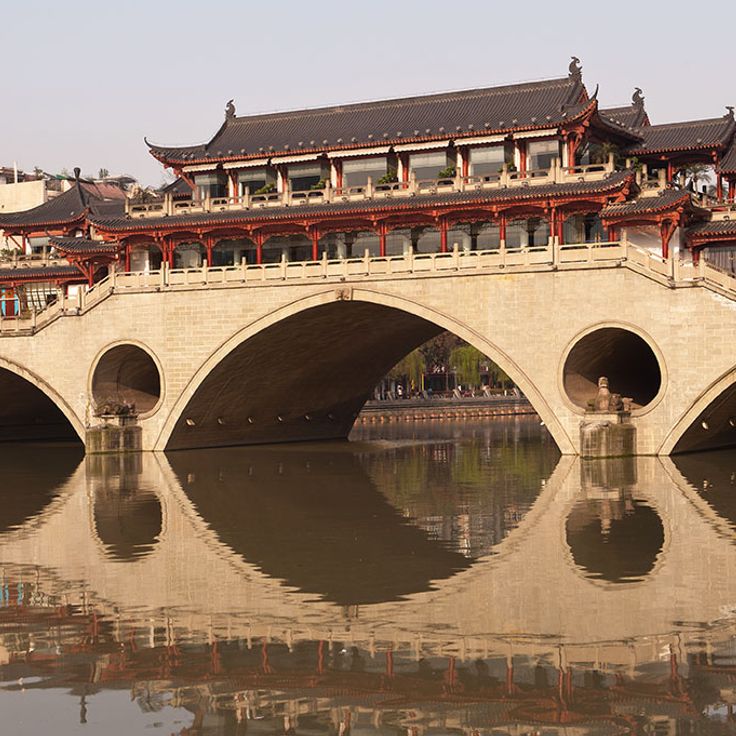
Built in the 17th century, the Anshun Bridge spans 330 feet (100 meters) across the Jin River in the provincial capital, connecting the eastern and western banks. Traditional pavilions line this stone structure, which is illuminated by red lanterns in the evening and offers particularly good views at sunset.
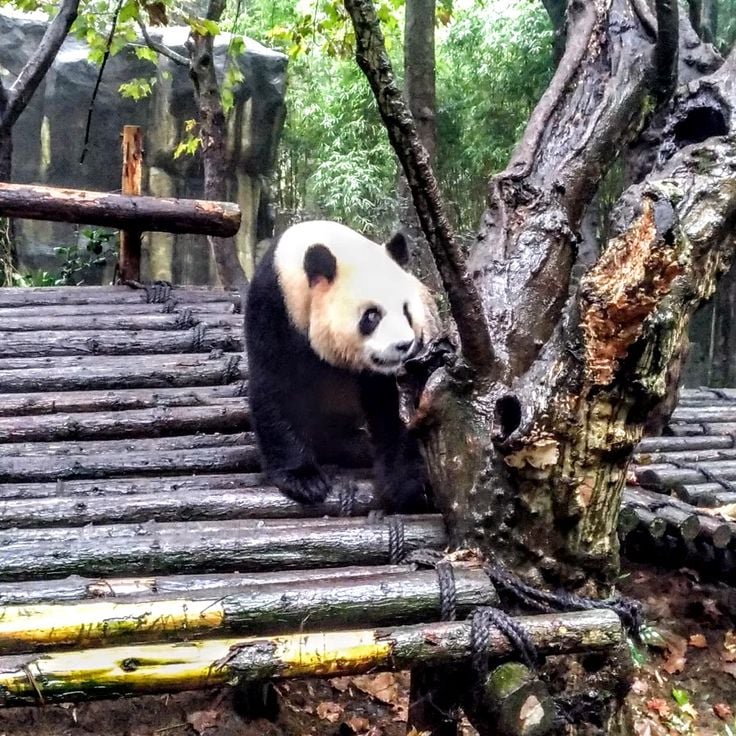
This research facility focuses on conservation and breeding of giant pandas across 165 acres (67 hectares) of wooded terrain. The center includes naturalistic enclosures, training areas for reintroduction programs, and modern veterinary facilities. Visitors can observe pandas during their daily routines and learn about conservation efforts for this endangered species. Located at the base of Mount Qingcheng, the facility provides an environment that closely resembles the pandas' natural habitat.
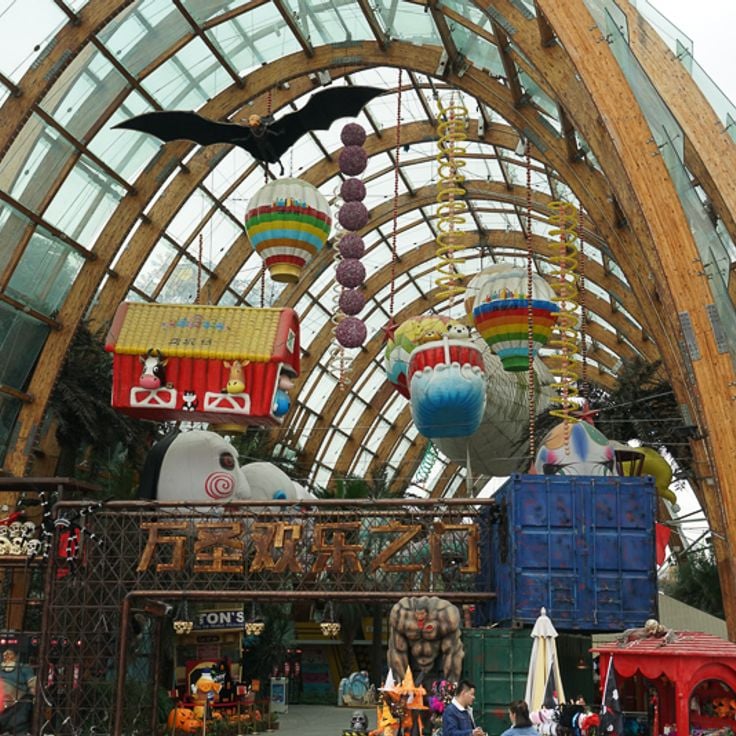
This amusement park in Chengdu features 40 attractions, including roller coasters, live performances and play areas for children across various themed zones. Happy Valley offers a contrast to Sichuan's natural parks and cultural sites, appealing mainly to families and younger visitors seeking entertainment in a modern recreational setting.
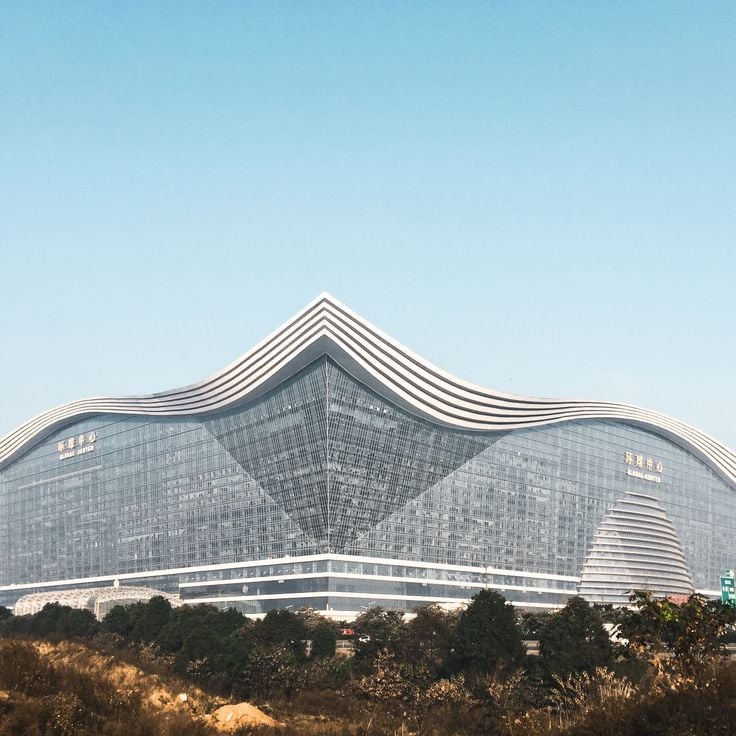
The New Century Global Center spans 18.3 million square feet (1.7 million square meters) in the heart of Chengdu, ranking among the world's largest freestanding buildings by floor area. This complex combines retail shops, offices, hotels, restaurants and leisure facilities under a single continuous roof. Visitors can swim in the indoor water park with artificial waves, skate at the ice rink or browse through extensive shopping areas. The building impresses through its sheer scale and the diversity of its uses.
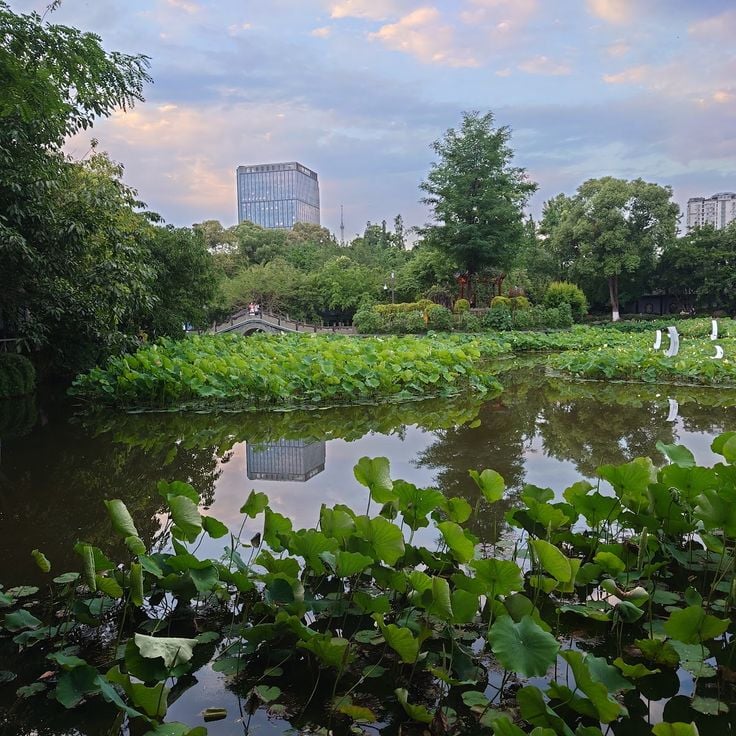
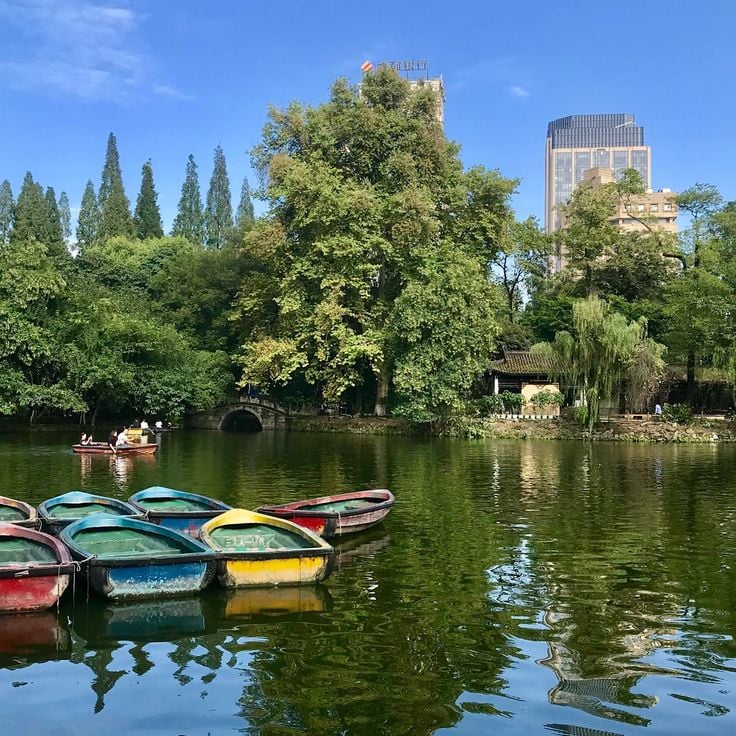
This public park in Chengdu features a theater dedicated to traditional Sichuan opera, ornamental gardens and the Feng Lin Yuan teahouse. The grounds combine cultural performances with maintained green spaces in the city center. The theater presents regular shows of regional opera arts, while the historic teahouse offers insights into local tea culture. The park serves both residents and visitors as a place for relaxation and cultural exchange in one of the province's major cities.
Nanjiao Park sits in the Tibetan quarter of Chengdu and offers a collection of bonsai trees, regular opera performances and shaded areas for rest. The park serves as a public gathering space where visitors can experience traditional garden art and local entertainment. The bonsai display showcases various techniques of miniature plant cultivation, while the opera performances provide insight into the regional theater scene. The shaded zones offer places to relax and observe daily life.
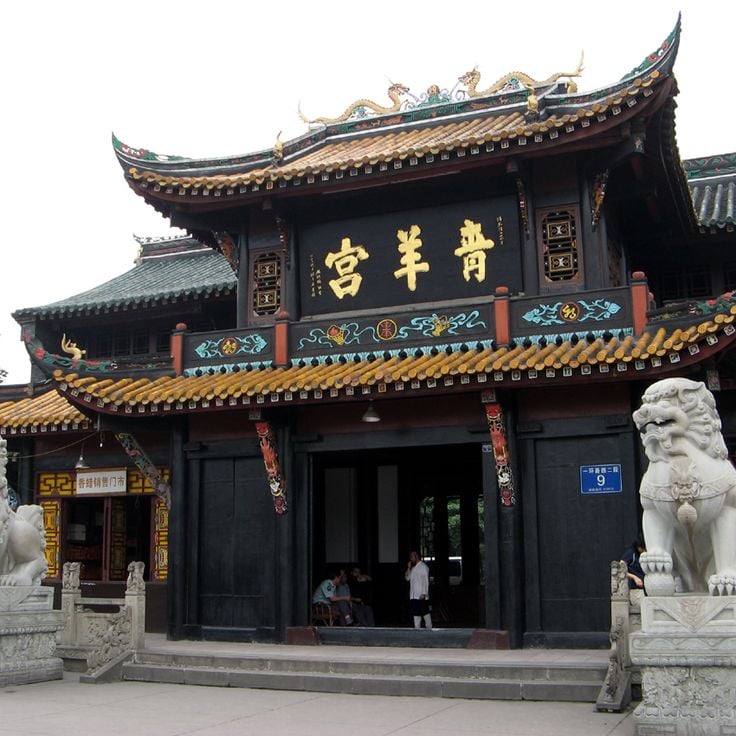
This Taoist temple was established in the 7th century during the Tang Dynasty and ranks among the important religious sites in Chengdu. Two bronze rams guard the main entrance to the complex. The halls house a collection of religious texts and ritual objects that provide insight into Taoist practice. The temple continues to serve as an active place of worship and receives both believers and visitors interested in the religious history of the Sichuan region.
This 71-meter (233-foot) Buddha statue ranks among the world's largest stone-carved Buddhist figures. Workers carved the figure into a red sandstone cliff between the 8th and 9th centuries at the confluence of three rivers. Construction began in 713 under monk Haitong and reached completion in 803. The Buddha sits with hands resting on his knees, facing the meeting point of the Min, Dadu and Qingyi rivers. Visitors can view the statue via a stairway system from above or by boat from the river. The site holds UNESCO World Heritage status and demonstrates the technical capabilities and religious importance of Tang Dynasty Buddhism in Sichuan.
This mountain reserve north of Chengdu was established in 1963 as a research and breeding center for giant pandas. The protected area covers 772 square miles (2,000 square kilometers) and encompasses extensive bamboo forests that provide the primary food source for the bears. Around 150 wild pandas inhabit the reserve alongside snow leopards, red pandas and golden snub-nosed monkeys. The research facilities allow visitors to observe the animals at close range and learn about their ecology and conservation needs. Guided trails lead through the forested valleys where the pandas feed and rest.
Huanglong National Park extends across a valley in the mountains north of Songpan and contains a series of travertine terraces formed by mineral-rich water. The terraces create natural pools in shades of blue and green. The park sits at elevations between 10,170 and 18,360 feet (3,100 to 5,588 meters) and includes forests, alpine meadows and several waterfalls. Visitors follow a boardwalk that runs through the valley and provides access to the main formations.
Mount Gongga is the highest peak in Sichuan Province, rising to 7,556 meters (24,790 feet). Permanent glaciers cover its flanks, while several valleys offer trekking opportunities for experienced mountaineers. The summit sits west of Kangding within the Hengduan Mountains and serves as a prominent landmark in the region.
This hydraulic system built in 256 BC regulates the flow of the Min River and distributes water through a network of canals into the Chengdu Plain. The facility continues to operate without dams, using natural topography to control water flow. Visitors can examine the three main components: the Fish Mouth Levee, the Flying Sand Weir and the Bottle Neck Channel. The system still irrigates over 2000 square miles (5300 square kilometers) of farmland.
The Danba valleys form part of Sichuan's traditional Tibetan settlement areas and feature multi-story stone houses clinging to steep mountain slopes. Residents maintain their Tibetan customs and ways of life at elevations between 5900 and 9800 feet (1800 to 3000 meters). This region adds to the province's cultural variety with its Tibetan architecture and terraced farming.
The Jiuzhaigou nature reserve covers 72,000 hectares (280 square miles) and protects over one hundred turquoise lakes, multiple waterfalls and extensive conifer forests in the Sichuan mountains. The area sits at elevations between 2,000 and 4,500 meters (6,500 to 14,800 feet) and is home to endangered species including the giant panda and the golden snub-nosed monkey. The limestone formations have created travertine terraces and natural dams over thousands of years, which retain water in the lakes and give them their characteristic colors.
This traditional pedestrian street in downtown Chengdu preserves Qing Dynasty architecture with its timber structures and stone paving. Along Jinli Street, vendors offer regional specialties, handcrafted goods and local snacks, while teahouses and small restaurants present Sichuan's culinary traditions. The street combines historical construction with the activity of a modern market district.
Mount Emei rises to 10,167 feet (3,099 meters) and ranks among the four sacred mountains of Chinese Buddhism. More than 30 temples from the Ming and Qing dynasties dot its forested slopes, which also serve as habitat for macaques. The ascent passes through different climate zones and offers insight into centuries of religious architecture.
Mount Siguniang rises to 20,505 feet (6,250 meters) in western Sichuan Province, forming the highest massif in the Qionglai Mountains. Four principal peaks shape the skyline of this mountain range, with the Yaomei summit reaching the greatest elevation. Glaciers cover the upper slopes and feed several valleys that descend through alpine meadows and conifer forests. Trails access the lower zones, while technical routes lead experienced climbers toward the glaciated summits. This mountain landscape ranks among the province's most important natural areas and draws visitors seeking to explore high-altitude terrain.
Tianfu Square sits at the center of Chengdu and serves as the main public square in the Sichuan provincial capital. A statue of Mao Zedong, standing roughly 100 feet (30 meters) tall, rises from the middle of this expansive plaza, surrounded by government buildings and commercial centers. Several subway lines converge beneath the square, connecting different parts of the city. The square functions as a central reference point for visitors navigating the metropolis and offers a clear example of urban planning in contemporary Chinese cities.
This national park covers 520 square miles (1,344 square kilometers) and protects three sacred Tibetan peaks, alpine meadows and high-altitude lakes. The highest summits reach elevations above 19,700 feet (6,000 meters). The reserve lies in a remote area of Sichuan Province and draws pilgrims and trekkers exploring the Tibetan-influenced landscape.
Mount Qingcheng has served as a center of Taoism since the second century and contains several historic temples where Taoist masters continue their teachings. The mountain slopes hold pavilions, halls and shrines connected by stone pathways and trails. The summit reaches 4134 feet (1260 meters) in elevation and provides views across the forested valleys of the region. This spiritual site became a UNESCO World Heritage property in 2000 and attracts both pilgrims and hikers interested in exploring the religious structures and surrounding landscape.
This research and breeding center north of Chengdu has operated conservation programs for the giant panda since 1987, studying behavior, reproduction and medical care. The facility includes several enclosures set in parklike grounds where visitors can observe the animals feeding and playing. Scientists here work on techniques for reintroducing pandas to the wild. The center also breeds red pandas and other endangered species native to Sichuan.
The Tagong Monastery is a Tibetan Buddhist monastery built in 652, located at 12,100 feet (3,700 meters) above sea level and featuring traditional architecture with gilded roofs and white walls. It offers insights into the religious practices of the region and stands against the backdrop of the Zhara Latse mountain.
This 17th-century temple in Chengdu honors Zhuge Liang, the celebrated strategist of the Three Kingdoms period. The complex displays historical artifacts from this era of Chinese history and houses a significant collection of inscriptions and sculptures. Visitors can walk through traditional gardens and explore the wooden halls dedicated to the statesman and his companions.
Kuanzhai Xiangzi comprises three parallel lanes dating from the Qing Dynasty with restored courtyard homes, local restaurants and teahouses. This historic residential quarter in central Chengdu offers insights into traditional regional architecture and now houses craft shops, calligraphy studios and small stages for Sichuan opera performances.
These high-elevation pastures near Kangding sit at 13,100 feet (4,000 meters), where Tibetan herders graze their yaks. Trails wind through the grasslands, providing opportunities to observe alpine flora adapted to this extreme altitude. The area offers insight into traditional pastoral practices and the way of life of Tibetan herding communities in the highlands of Sichuan.
The Wannian Temple was built in 1020 during the Song Dynasty and houses a bronze statue of Puxian riding his six-tusked white elephant. The 10th-century statue is considered one of the most important Buddhist artworks in the region and depicts the bodhisattva in a meditative posture. The temple sits at around 3,350 feet (1,020 meters) up Mount Emei and can be reached by cable car or hiking trail. The brick main hall survived several fires that destroyed other buildings in the complex.
The Nuorilang Waterfall spans 1,050 feet (320 meters) in width and drops 82 feet (25 meters) over travertine formations in Jiuzhaigou National Park. Water flows across calcium carbonate deposits, creating a continuous curtain of white water during the rainy season. In winter, portions of the cascade freeze, forming ice sculptures along the rock face. The waterfall sits at 7,760 feet (2,365 meters) elevation and marks the junction of three valleys within the park.
This 17th-century Buddhist temple houses multiple prayer halls, a bonsai garden and a teahouse serving vegetarian dishes. Located in central Chengdu, the complex ranks among the most important religious sites in Sichuan Province and offers visitors insight into local devotional practices. The architecture follows traditional design principles with curved roofs and interior courtyards. The monastery holds a collection of Buddhist scriptures and artworks. The adjacent garden provides space for quiet reflection.
This central shopping street in Chengdu extends for nearly a mile (1.5 km) and represents the modern commercial face of the city with its many stores, restaurants and shopping centers, illuminated by neon lights after dark.
The Du Fu Cottage commemorates the stay of the celebrated Tang Dynasty poet in Chengdu between 759 and 763. The current structure was built in the 16th century and has been restored multiple times over the centuries. The 60-acre (24-hectare) grounds include traditional pavilions, a bamboo grove, a pond and gardens that reflect classical Chinese aesthetics. The main hall displays calligraphy and manuscripts related to Du Fu's work. This memorial site ranks among China's most important literary landmarks and attracts visitors interested in Tang Dynasty history and Chinese poetry.
The Sanxingdui Museum displays over 1,000 archaeological objects from the ancient Shu civilization uncovered at nearby excavation sites. The collection includes bronze masks, gold scepters and jade artifacts dating from approximately 1200 to 1000 BC. These pieces document advanced bronze casting techniques and cultural practices of a sophisticated civilization that remained largely unknown until its rediscovery in the 1980s. The museum sits about 25 miles north of Chengdu and provides access to one of the most important archaeological sites in the Sichuan Basin.
The Jinsha Site Museum presents more than 6,000 archaeological objects in gold, bronze and jade dating from around 1200 BC, discovered in the former capital of the ancient Shu Kingdom. This collection documents one of the most important cultures in early Sichuan history and provides insight into the craftsmanship and religious practices of this civilization. The museum combines artifacts with modern exhibition techniques and sits on the actual excavation site where the objects were found.
Built in the 17th century, the Anshun Bridge spans 330 feet (100 meters) across the Jin River in the provincial capital, connecting the eastern and western banks. Traditional pavilions line this stone structure, which is illuminated by red lanterns in the evening and offers particularly good views at sunset.
This research facility focuses on conservation and breeding of giant pandas across 165 acres (67 hectares) of wooded terrain. The center includes naturalistic enclosures, training areas for reintroduction programs, and modern veterinary facilities. Visitors can observe pandas during their daily routines and learn about conservation efforts for this endangered species. Located at the base of Mount Qingcheng, the facility provides an environment that closely resembles the pandas' natural habitat.
This amusement park in Chengdu features 40 attractions, including roller coasters, live performances and play areas for children across various themed zones. Happy Valley offers a contrast to Sichuan's natural parks and cultural sites, appealing mainly to families and younger visitors seeking entertainment in a modern recreational setting.
The New Century Global Center spans 18.3 million square feet (1.7 million square meters) in the heart of Chengdu, ranking among the world's largest freestanding buildings by floor area. This complex combines retail shops, offices, hotels, restaurants and leisure facilities under a single continuous roof. Visitors can swim in the indoor water park with artificial waves, skate at the ice rink or browse through extensive shopping areas. The building impresses through its sheer scale and the diversity of its uses.
This public park in Chengdu features a theater dedicated to traditional Sichuan opera, ornamental gardens and the Feng Lin Yuan teahouse. The grounds combine cultural performances with maintained green spaces in the city center. The theater presents regular shows of regional opera arts, while the historic teahouse offers insights into local tea culture. The park serves both residents and visitors as a place for relaxation and cultural exchange in one of the province's major cities.
Nanjiao Park sits in the Tibetan quarter of Chengdu and offers a collection of bonsai trees, regular opera performances and shaded areas for rest. The park serves as a public gathering space where visitors can experience traditional garden art and local entertainment. The bonsai display showcases various techniques of miniature plant cultivation, while the opera performances provide insight into the regional theater scene. The shaded zones offer places to relax and observe daily life.
This Taoist temple was established in the 7th century during the Tang Dynasty and ranks among the important religious sites in Chengdu. Two bronze rams guard the main entrance to the complex. The halls house a collection of religious texts and ritual objects that provide insight into Taoist practice. The temple continues to serve as an active place of worship and receives both believers and visitors interested in the religious history of the Sichuan region.
This 71-meter (233-foot) Buddha statue ranks among the world's largest stone-carved Buddhist figures. Workers carved the figure into a red sandstone cliff between the 8th and 9th centuries at the confluence of three rivers. Construction began in 713 under monk Haitong and reached completion in 803. The Buddha sits with hands resting on his knees, facing the meeting point of the Min, Dadu and Qingyi rivers. Visitors can view the statue via a stairway system from above or by boat from the river. The site holds UNESCO World Heritage status and demonstrates the technical capabilities and religious importance of Tang Dynasty Buddhism in Sichuan.
This mountain reserve north of Chengdu was established in 1963 as a research and breeding center for giant pandas. The protected area covers 772 square miles (2,000 square kilometers) and encompasses extensive bamboo forests that provide the primary food source for the bears. Around 150 wild pandas inhabit the reserve alongside snow leopards, red pandas and golden snub-nosed monkeys. The research facilities allow visitors to observe the animals at close range and learn about their ecology and conservation needs. Guided trails lead through the forested valleys where the pandas feed and rest.
Huanglong National Park extends across a valley in the mountains north of Songpan and contains a series of travertine terraces formed by mineral-rich water. The terraces create natural pools in shades of blue and green. The park sits at elevations between 10,170 and 18,360 feet (3,100 to 5,588 meters) and includes forests, alpine meadows and several waterfalls. Visitors follow a boardwalk that runs through the valley and provides access to the main formations.
Mount Gongga is the highest peak in Sichuan Province, rising to 7,556 meters (24,790 feet). Permanent glaciers cover its flanks, while several valleys offer trekking opportunities for experienced mountaineers. The summit sits west of Kangding within the Hengduan Mountains and serves as a prominent landmark in the region.
This hydraulic system built in 256 BC regulates the flow of the Min River and distributes water through a network of canals into the Chengdu Plain. The facility continues to operate without dams, using natural topography to control water flow. Visitors can examine the three main components: the Fish Mouth Levee, the Flying Sand Weir and the Bottle Neck Channel. The system still irrigates over 2000 square miles (5300 square kilometers) of farmland.
The Danba valleys form part of Sichuan's traditional Tibetan settlement areas and feature multi-story stone houses clinging to steep mountain slopes. Residents maintain their Tibetan customs and ways of life at elevations between 5900 and 9800 feet (1800 to 3000 meters). This region adds to the province's cultural variety with its Tibetan architecture and terraced farming.
The Jiuzhaigou nature reserve covers 72,000 hectares (280 square miles) and protects over one hundred turquoise lakes, multiple waterfalls and extensive conifer forests in the Sichuan mountains. The area sits at elevations between 2,000 and 4,500 meters (6,500 to 14,800 feet) and is home to endangered species including the giant panda and the golden snub-nosed monkey. The limestone formations have created travertine terraces and natural dams over thousands of years, which retain water in the lakes and give them their characteristic colors.
This traditional pedestrian street in downtown Chengdu preserves Qing Dynasty architecture with its timber structures and stone paving. Along Jinli Street, vendors offer regional specialties, handcrafted goods and local snacks, while teahouses and small restaurants present Sichuan's culinary traditions. The street combines historical construction with the activity of a modern market district.
Mount Emei rises to 10,167 feet (3,099 meters) and ranks among the four sacred mountains of Chinese Buddhism. More than 30 temples from the Ming and Qing dynasties dot its forested slopes, which also serve as habitat for macaques. The ascent passes through different climate zones and offers insight into centuries of religious architecture.
Mount Siguniang rises to 20,505 feet (6,250 meters) in western Sichuan Province, forming the highest massif in the Qionglai Mountains. Four principal peaks shape the skyline of this mountain range, with the Yaomei summit reaching the greatest elevation. Glaciers cover the upper slopes and feed several valleys that descend through alpine meadows and conifer forests. Trails access the lower zones, while technical routes lead experienced climbers toward the glaciated summits. This mountain landscape ranks among the province's most important natural areas and draws visitors seeking to explore high-altitude terrain.
Tianfu Square sits at the center of Chengdu and serves as the main public square in the Sichuan provincial capital. A statue of Mao Zedong, standing roughly 100 feet (30 meters) tall, rises from the middle of this expansive plaza, surrounded by government buildings and commercial centers. Several subway lines converge beneath the square, connecting different parts of the city. The square functions as a central reference point for visitors navigating the metropolis and offers a clear example of urban planning in contemporary Chinese cities.
This national park covers 520 square miles (1,344 square kilometers) and protects three sacred Tibetan peaks, alpine meadows and high-altitude lakes. The highest summits reach elevations above 19,700 feet (6,000 meters). The reserve lies in a remote area of Sichuan Province and draws pilgrims and trekkers exploring the Tibetan-influenced landscape.
Mount Qingcheng has served as a center of Taoism since the second century and contains several historic temples where Taoist masters continue their teachings. The mountain slopes hold pavilions, halls and shrines connected by stone pathways and trails. The summit reaches 4134 feet (1260 meters) in elevation and provides views across the forested valleys of the region. This spiritual site became a UNESCO World Heritage property in 2000 and attracts both pilgrims and hikers interested in exploring the religious structures and surrounding landscape.
This research and breeding center north of Chengdu has operated conservation programs for the giant panda since 1987, studying behavior, reproduction and medical care. The facility includes several enclosures set in parklike grounds where visitors can observe the animals feeding and playing. Scientists here work on techniques for reintroducing pandas to the wild. The center also breeds red pandas and other endangered species native to Sichuan.
The Tagong Monastery is a Tibetan Buddhist monastery built in 652, located at 12,100 feet (3,700 meters) above sea level and featuring traditional architecture with gilded roofs and white walls. It offers insights into the religious practices of the region and stands against the backdrop of the Zhara Latse mountain.
This 17th-century temple in Chengdu honors Zhuge Liang, the celebrated strategist of the Three Kingdoms period. The complex displays historical artifacts from this era of Chinese history and houses a significant collection of inscriptions and sculptures. Visitors can walk through traditional gardens and explore the wooden halls dedicated to the statesman and his companions.
Kuanzhai Xiangzi comprises three parallel lanes dating from the Qing Dynasty with restored courtyard homes, local restaurants and teahouses. This historic residential quarter in central Chengdu offers insights into traditional regional architecture and now houses craft shops, calligraphy studios and small stages for Sichuan opera performances.
These high-elevation pastures near Kangding sit at 13,100 feet (4,000 meters), where Tibetan herders graze their yaks. Trails wind through the grasslands, providing opportunities to observe alpine flora adapted to this extreme altitude. The area offers insight into traditional pastoral practices and the way of life of Tibetan herding communities in the highlands of Sichuan.
The Wannian Temple was built in 1020 during the Song Dynasty and houses a bronze statue of Puxian riding his six-tusked white elephant. The 10th-century statue is considered one of the most important Buddhist artworks in the region and depicts the bodhisattva in a meditative posture. The temple sits at around 3,350 feet (1,020 meters) up Mount Emei and can be reached by cable car or hiking trail. The brick main hall survived several fires that destroyed other buildings in the complex.
The Nuorilang Waterfall spans 1,050 feet (320 meters) in width and drops 82 feet (25 meters) over travertine formations in Jiuzhaigou National Park. Water flows across calcium carbonate deposits, creating a continuous curtain of white water during the rainy season. In winter, portions of the cascade freeze, forming ice sculptures along the rock face. The waterfall sits at 7,760 feet (2,365 meters) elevation and marks the junction of three valleys within the park.
This 17th-century Buddhist temple houses multiple prayer halls, a bonsai garden and a teahouse serving vegetarian dishes. Located in central Chengdu, the complex ranks among the most important religious sites in Sichuan Province and offers visitors insight into local devotional practices. The architecture follows traditional design principles with curved roofs and interior courtyards. The monastery holds a collection of Buddhist scriptures and artworks. The adjacent garden provides space for quiet reflection.
This central shopping street in Chengdu extends for nearly a mile (1.5 km) and represents the modern commercial face of the city with its many stores, restaurants and shopping centers, illuminated by neon lights after dark.
The Du Fu Cottage commemorates the stay of the celebrated Tang Dynasty poet in Chengdu between 759 and 763. The current structure was built in the 16th century and has been restored multiple times over the centuries. The 60-acre (24-hectare) grounds include traditional pavilions, a bamboo grove, a pond and gardens that reflect classical Chinese aesthetics. The main hall displays calligraphy and manuscripts related to Du Fu's work. This memorial site ranks among China's most important literary landmarks and attracts visitors interested in Tang Dynasty history and Chinese poetry.
The Sanxingdui Museum displays over 1,000 archaeological objects from the ancient Shu civilization uncovered at nearby excavation sites. The collection includes bronze masks, gold scepters and jade artifacts dating from approximately 1200 to 1000 BC. These pieces document advanced bronze casting techniques and cultural practices of a sophisticated civilization that remained largely unknown until its rediscovery in the 1980s. The museum sits about 25 miles north of Chengdu and provides access to one of the most important archaeological sites in the Sichuan Basin.
The Jinsha Site Museum presents more than 6,000 archaeological objects in gold, bronze and jade dating from around 1200 BC, discovered in the former capital of the ancient Shu Kingdom. This collection documents one of the most important cultures in early Sichuan history and provides insight into the craftsmanship and religious practices of this civilization. The museum combines artifacts with modern exhibition techniques and sits on the actual excavation site where the objects were found.
Built in the 17th century, the Anshun Bridge spans 330 feet (100 meters) across the Jin River in the provincial capital, connecting the eastern and western banks. Traditional pavilions line this stone structure, which is illuminated by red lanterns in the evening and offers particularly good views at sunset.
This research facility focuses on conservation and breeding of giant pandas across 165 acres (67 hectares) of wooded terrain. The center includes naturalistic enclosures, training areas for reintroduction programs, and modern veterinary facilities. Visitors can observe pandas during their daily routines and learn about conservation efforts for this endangered species. Located at the base of Mount Qingcheng, the facility provides an environment that closely resembles the pandas' natural habitat.
This amusement park in Chengdu features 40 attractions, including roller coasters, live performances and play areas for children across various themed zones. Happy Valley offers a contrast to Sichuan's natural parks and cultural sites, appealing mainly to families and younger visitors seeking entertainment in a modern recreational setting.
The New Century Global Center spans 18.3 million square feet (1.7 million square meters) in the heart of Chengdu, ranking among the world's largest freestanding buildings by floor area. This complex combines retail shops, offices, hotels, restaurants and leisure facilities under a single continuous roof. Visitors can swim in the indoor water park with artificial waves, skate at the ice rink or browse through extensive shopping areas. The building impresses through its sheer scale and the diversity of its uses.
This public park in Chengdu features a theater dedicated to traditional Sichuan opera, ornamental gardens and the Feng Lin Yuan teahouse. The grounds combine cultural performances with maintained green spaces in the city center. The theater presents regular shows of regional opera arts, while the historic teahouse offers insights into local tea culture. The park serves both residents and visitors as a place for relaxation and cultural exchange in one of the province's major cities.
Nanjiao Park sits in the Tibetan quarter of Chengdu and offers a collection of bonsai trees, regular opera performances and shaded areas for rest. The park serves as a public gathering space where visitors can experience traditional garden art and local entertainment. The bonsai display showcases various techniques of miniature plant cultivation, while the opera performances provide insight into the regional theater scene. The shaded zones offer places to relax and observe daily life.
This Taoist temple was established in the 7th century during the Tang Dynasty and ranks among the important religious sites in Chengdu. Two bronze rams guard the main entrance to the complex. The halls house a collection of religious texts and ritual objects that provide insight into Taoist practice. The temple continues to serve as an active place of worship and receives both believers and visitors interested in the religious history of the Sichuan region.