Altai Mountains, Mountain range in Central Asia and Eastern Asia
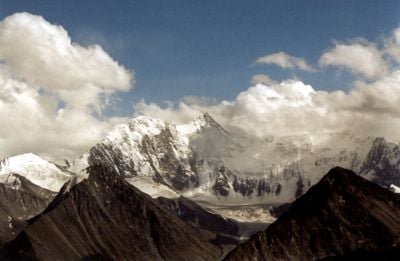
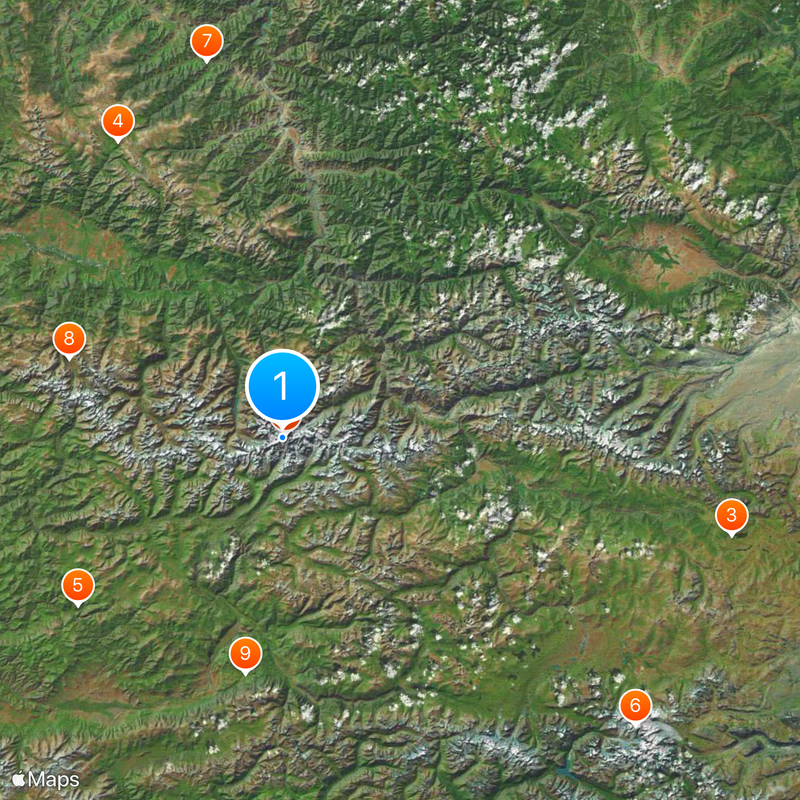
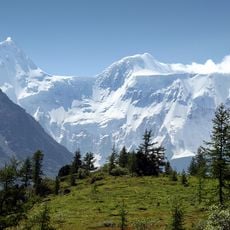
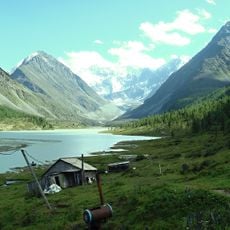
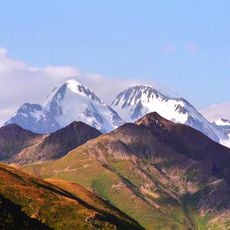
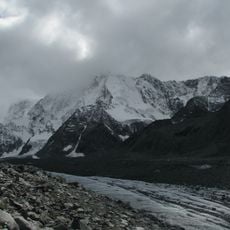
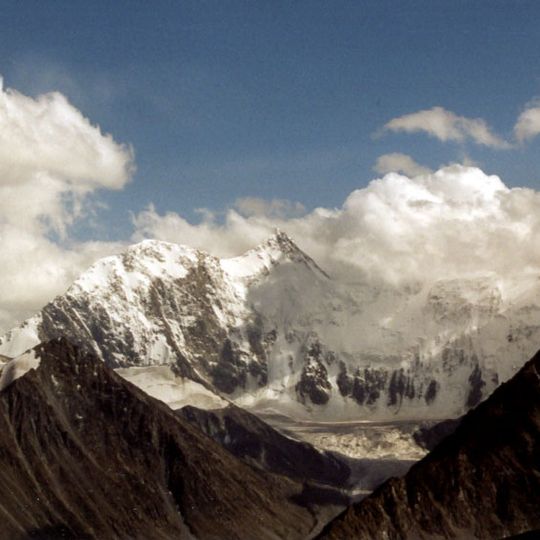
The Altai Mountains are a mountain system formed from metamorphic rock that extends 2,525 kilometers through Russia, China, Mongolia, and Kazakhstan and reaches peaks up to 4,506 meters high. Glaciers cover higher elevations, while valleys hold meadows and forests with larches, cedars, and birches.
Archaeological finds in Denisova Cave revealed traces of Denisovan hominids, Neanderthals, and early modern humans who lived here tens of thousands of years ago. Later, trade routes passed through these mountains and connected interior Asia with Siberia.
The name comes from Turkic languages and means gold, a reference to the early importance of these mountains for trade and the journeys of nomadic peoples. Today Kazakhs and Altaians live along the valleys and maintain traditions such as felt-making, horse racing, and building round yurts for summer use.
Visitors to these mountains should bring warm clothing because weather can be cool and changeable even in summer, especially at higher elevations. Many trails are unpaved and require experience in hiking or riding, and there is little infrastructure away from the few settlements.
Rock carvings over 4,000 years old show figures on wide boards and may be the oldest evidence of skiing, which could have developed here as a means of winter transport. There are also over 7,000 lakes fed by glacial meltwater that often shimmer turquoise blue.
The community of curious travelers
AroundUs brings together thousands of curated places, local tips, and hidden gems, enriched daily by 91,817 contributors worldwide.