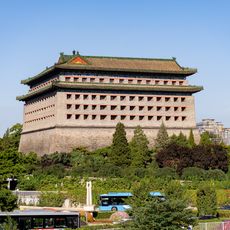
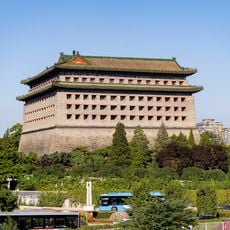
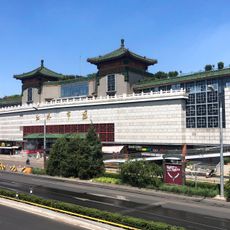
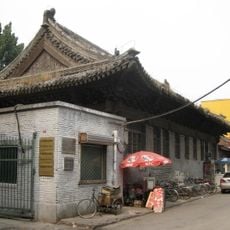
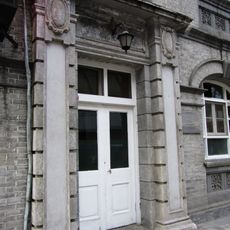
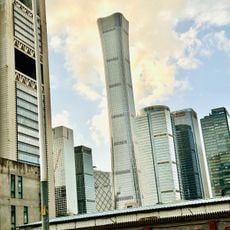
Guangqumen, Historical city gate in Dongcheng District, Beijing, China.
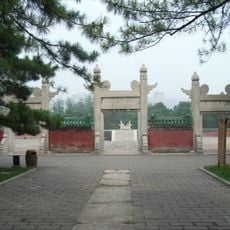
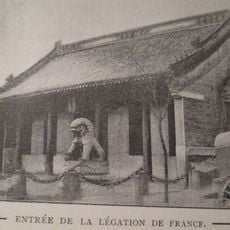
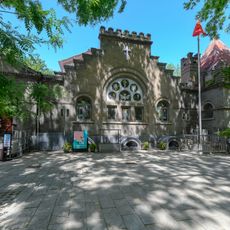
Guangqumen is a city gate with three large gateways and stone enclosures surrounding its courtyard. The structure originally functioned as a dual-gate system with an outer and inner portal, where decorative lion statues marked the hierarchy and significance of the passage.
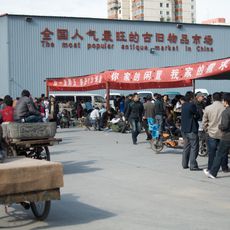
The gate was built during the Ming Dynasty as the southern entrance to the Imperial City and maintained this function through the Qing Dynasty until 1912. Following the fall of imperial rule, the surrounding area was redeveloped as a major commercial and transportation hub.
The gate embodies traditional Chinese architectural design with a layout that reflected how officials of different ranks entered and moved through the space. Stone lions and decorative elements served as visible markers of authority and ceremony that visitors would encounter as they approached.
The gate is easily accessible by subway Line 7 at Guangqumen Outer Station and multiple bus routes serving the surrounding commercial district. The best time to visit is early morning or early evening when crowds are lighter and you can better observe the architectural details.
The area was originally a busy marketplace during the Ming Dynasty called Chessgrid Streets before being transformed into a grand imperial ceremonial entrance. This shift reveals how Beijing reorganized its spaces to display political authority and control over movement through the city.
The community of curious travelers
AroundUs brings together thousands of curated places, local tips, and hidden gems, enriched daily by 91,784 contributors worldwide.