宁郡王府, Royal residence in Beijing, China
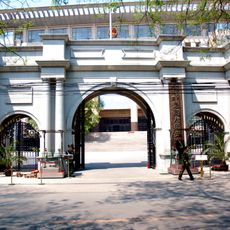
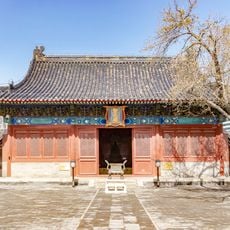
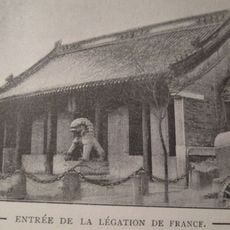
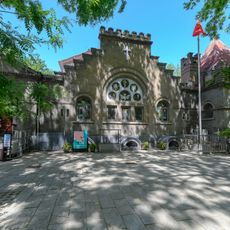
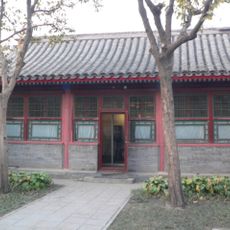
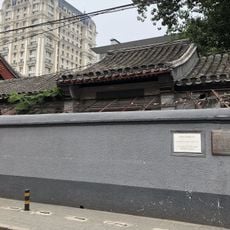
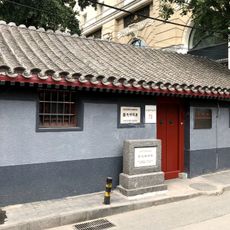
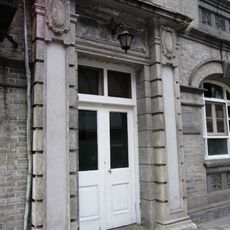
Prince Ning's Mansion is a royal residence in Beijing organized around multiple interconnected courtyards linked by covered passages and pathways. The buildings display traditional Chinese architecture with carved wooden beams, painted wall panels, and decorative roof ornaments throughout the compound.
The mansion was built in 1730, the eighth year of the Yongzheng reign, for Hongjiao, the fourth son of Prince Yi Yunxiang and a half-brother of the Yongzheng emperor. Yunxiang died that same year, and the emperor granted Hongjiao the title Prince Ning and had the residence erected. It has never undergone large-scale renovation, so its layout still matches the Qianlong-era map of Beijing.
The mansion's name comes from Hongjiao's title, Prince Ning of the second rank, granted by the Yongzheng Emperor in 1730. The compound is now occupied by a factory and residents, yet its gate, main hall, rear sleeping quarters, side towers and rear building remain largely intact. Its layout matches the Qianlong-era map of Beijing exactly.
Visit during daylight hours when natural light illuminates the interior details and decorative elements throughout the compound. Take time to walk slowly through each courtyard section so you can observe how the spaces connect and understand the layout of different buildings.
The compound's layout matches the Qianlong-era map of Beijing exactly, and its halls keep their pre-Qianlong appearance because no large-scale repairs or alterations were made since 1730. The outer wall has been demolished, but the main gate, main hall, rear sleeping quarters, side wings and rear tower survive.
The community of curious travelers
AroundUs brings together thousands of curated places, local tips, and hidden gems, enriched daily by 94,504 contributors worldwide.