Zhihua Temple, Buddhist temple in Dongcheng District, China
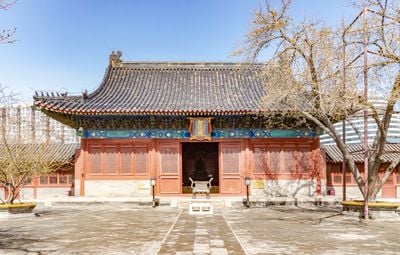
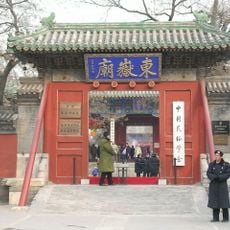
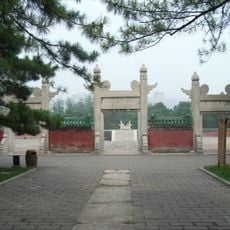
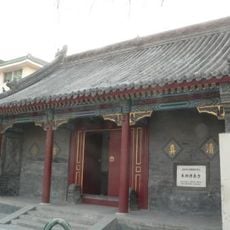
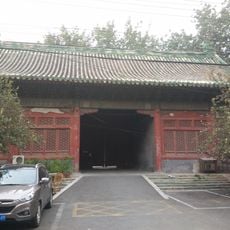
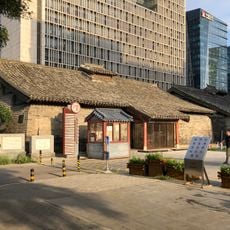
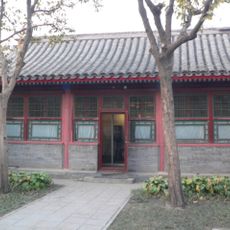
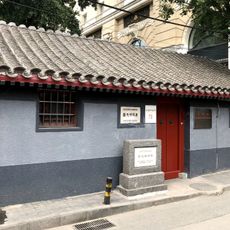
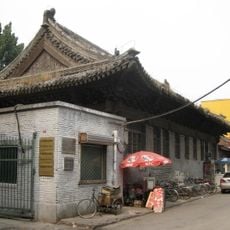
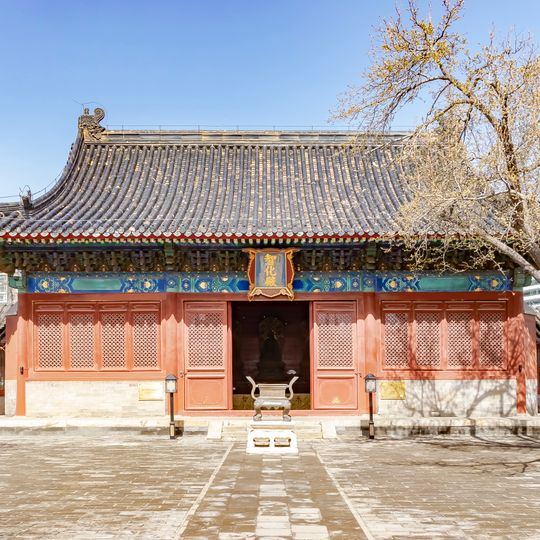
Zhihua Temple is a Buddhist temple complex in Dongcheng District, Beijing, made up of several halls arranged along a central north-south axis. The roofs are covered with black glazed tiles, which sets it apart from the yellow-tiled imperial buildings nearby.
The temple was built in 1443 during the Ming Dynasty by Wang Zhen, a powerful court eunuch who used it as a private place of worship. After his death, the complex passed into imperial control and continued to function as an active Buddhist site.
Zhihua Temple is known for a tradition of ritual music that has been performed within its halls for centuries. Visitors can witness these performances on certain days, making it one of the few places where this living Buddhist practice can still be heard.
The temple sits inside an older residential neighborhood in Dongcheng, with narrow streets leading up to it, so it helps to check your route before heading out. Music performances do not happen every day, so it is worth finding out the schedule in advance if that is part of your visit.
One of the upper halls has a carved wooden ceiling built using a traditional coffered technique, assembled without nails, which was removed and sold to a museum in the United States in the early 20th century. A replica now sits in its place, but the original can be seen at the Nelson-Atkins Museum of Art in Kansas City.
The community of curious travelers
AroundUs brings together thousands of curated places, local tips, and hidden gems, enriched daily by 91,196 contributors worldwide.