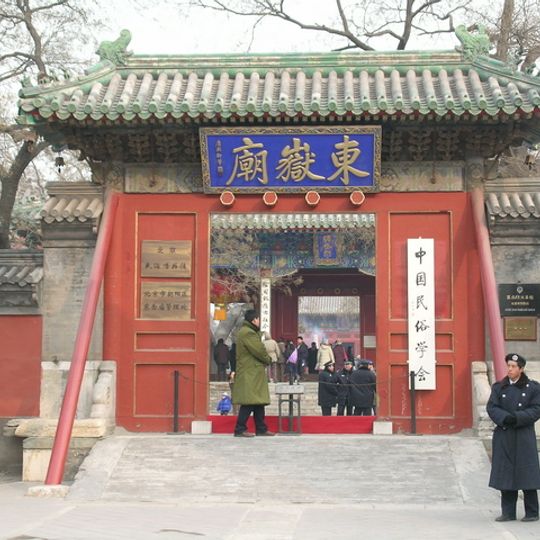
Beijing Dongyue Temple, Taoist temple in Chaoyang District, China
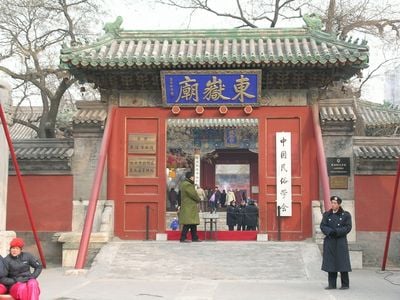
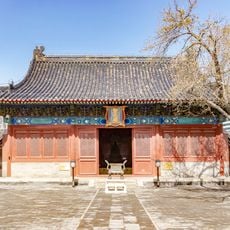
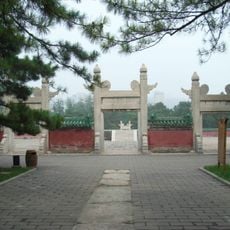
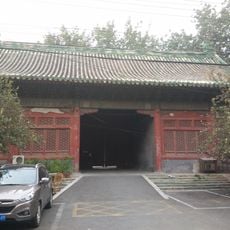
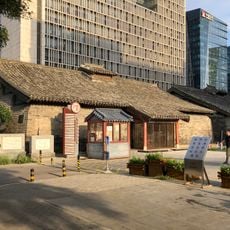
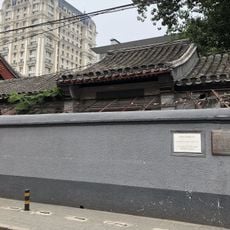
Beijing Dongyue Temple is a large Taoist complex in Chaoyang organized into three main courtyards containing approximately 400 rooms aligned along a north-south axis, reflecting traditional Chinese architectural design. The grounds feature numerous stone carvings and plaster statues arranged throughout various halls and chambers following Taoist cosmological principles.
Zhang Liusun, a Yuan official and descendant of Zhang Daoling, bought land outside Chaoyang Gate in 1319 but died before work began. His disciple Wu Quanjie started the main halls and gate in 1322; the court named it Rensheng Palace. Renamed Dongyue Temple in 1447 under the Zhengtong Emperor, it was rebuilt after a 1698 fire and again in 1761. The Cultural Revolution gutted the interiors; restoration in 2002 cost 5.8 million yuan.
The temple served as a major center of Taoist practice and attracted devotees seeking spiritual connection for centuries. Visitors today can observe how the various chambers and figures throughout the complex embody Taoist beliefs and teachings.
The temple is accessible by public transportation and located in a walkable neighborhood of the district. Comfortable shoes are recommended since the complex is large with multiple courtyards and halls requiring substantial walking.
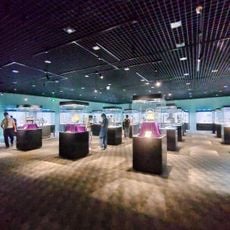
Most of the statues now seen in the seventy-six wing chambers are replicas: the originals were destroyed during the Cultural Revolution, and only five historic figures survive, transferred from the Beijing Sanguanmiao (Three Officials Temple), which no longer functions as a temple.
The community of curious travelers
AroundUs brings together thousands of curated places, local tips, and hidden gems, enriched daily by 92,787 contributors worldwide.