Nanxincang, Imperial granary in Dongsi Subdistrict, China
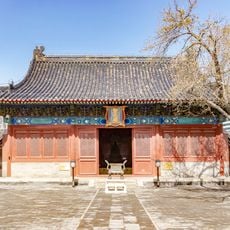
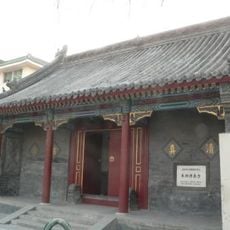
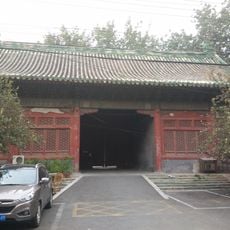
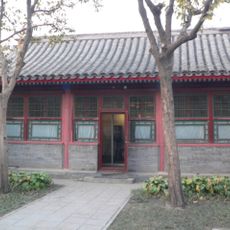
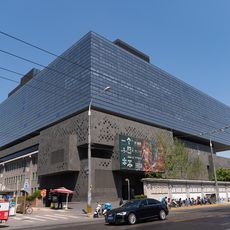
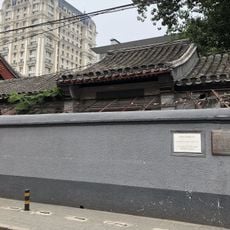
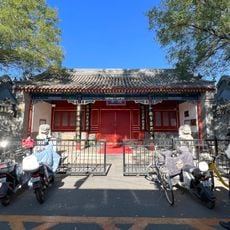
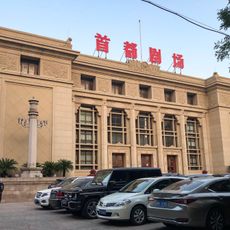
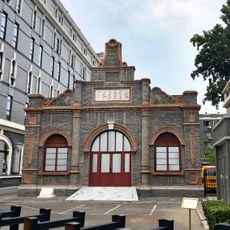
Nanxincang is a Ming and Qing imperial granary on Dongsi Shitiao in Beijing's Dongcheng District. Nine granary buildings (aos) survive, each about 23.8 m wide, 17.6 m deep and 7.5 m high, with 1.3–1.5 m thick walls of bricks from Linqing, Shandong, and roofs of tiles from Shanxi. Round timber columns 30–60 cm in diameter came from Sichuan, Hunan, Hubei, Zhejiang, Jiangxi and Shanxi.
Built in 1409 under Emperor Yong Le, the granary stored grain supplies for Beijing throughout the Ming and Qing dynasties. During the Republican era it served as an armory before eventually becoming the cultural venue it is today.
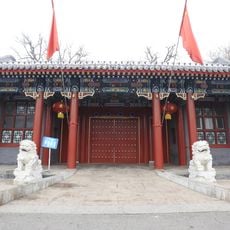
The site now hosts art galleries, a Kunqu opera theater, and restaurants serving different regional cuisines. These spaces show how the location has transformed into a gathering place for artists, performers, and food lovers.
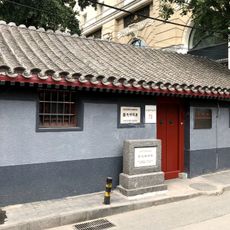
Nanxincang is at the eastern end of Dongsishitiao, on the south side of the road and southwest of Dongsishitiao Bridge, near the subway station of the same name. The nine surviving granaries stand within the Nanxincang Cultural Leisure Street, whose galleries, club, and restaurants occupy the old storage buildings. Look for the 1.8-metre ancient millstone displayed on the green beside one granary.
The granary's bricks came from Linqing in Shandong, each large wall brick weighing about 25 kg, while the roof tiles were fired in Shanxi. The timber for the round beams, 30 to 60 cm in diameter, was hauled from Sichuan, Hunan, Hubei, Zhejiang, Jiangxi and Shanxi.
The community of curious travelers
AroundUs brings together thousands of curated places, local tips, and hidden gems, enriched daily by 93,992 contributors worldwide.