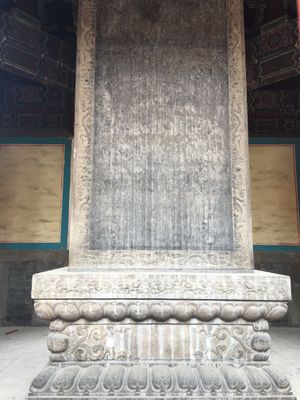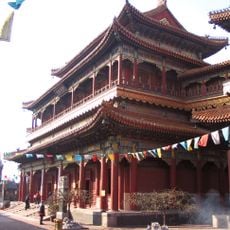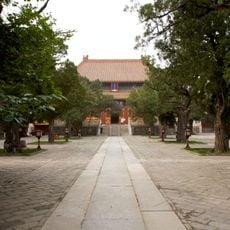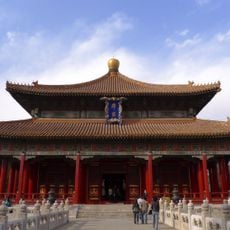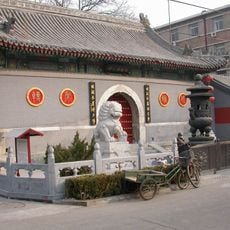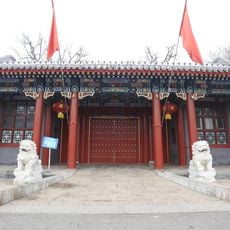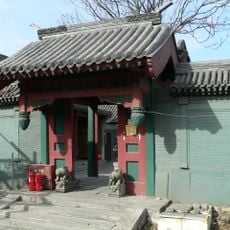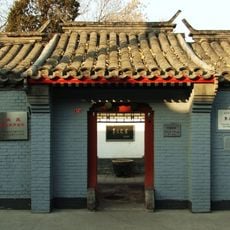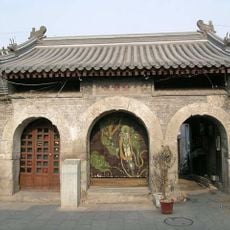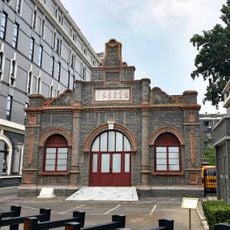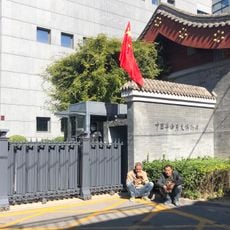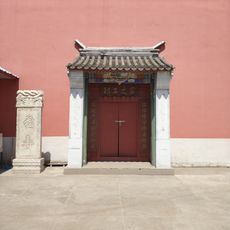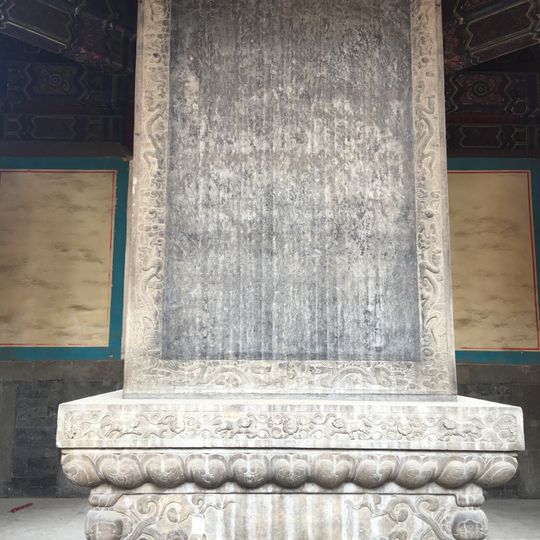
Pronouncement on Lamas, Imperial edict at Yonghe Temple in Dongcheng District, China.
The proclamation stands at the entrance of Yonghe Temple, carved into multiple stone steles positioned beside the main gate. The inscriptions are located in the second courtyard between the Bell Tower and Drum Tower.
Emperor Qianlong issued this edict in 1744, establishing the conversion of a former imperial residence into a major Tibetan Buddhist temple. This proclamation marked the beginning of the site's transformation into a religious center.
The inscriptions display four languages - Chinese, Manchurian, Mongolian, and Tibetan - representing the diverse peoples under Qing rule. Walking past the steles, you notice how this multilingual approach made the message accessible across the empire.
The stone inscriptions are easily located between two towers in the inner courtyard of the temple. They remain clearly visible throughout the day and can be viewed from multiple angles by visitors.
The proclamation introduced the Golden Urn system for selecting reincarnated lamas, an administrative practice that continues to shape Tibetan Buddhist leadership today. This selection method has endured as a key part of religious succession for centuries.
The community of curious travelers
AroundUs brings together thousands of curated places, local tips, and hidden gems, enriched daily by 92,682 contributors worldwide.