Beijing Temple of Confucius, Confucian temple in Andingmen, China
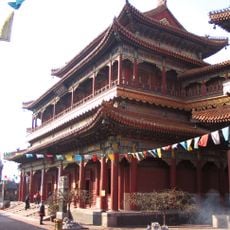
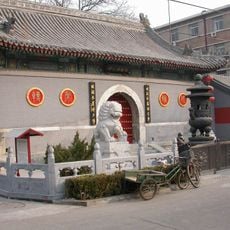
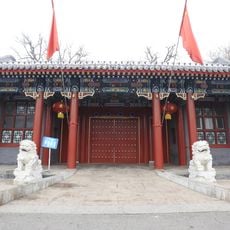
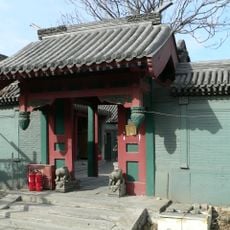
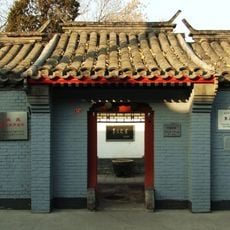
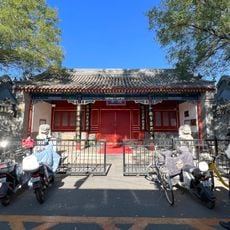
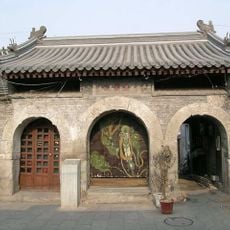
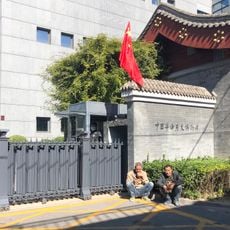
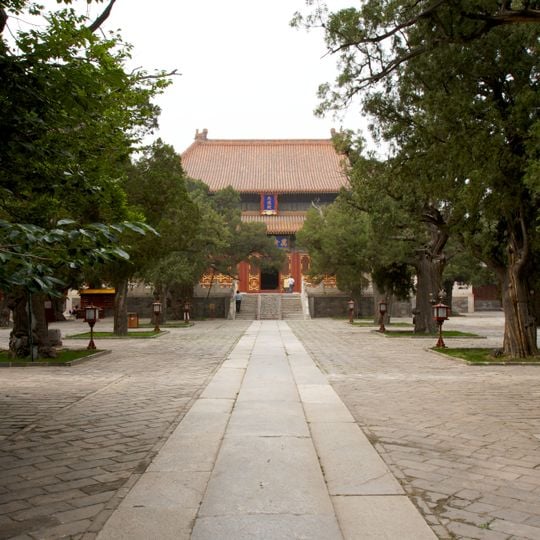
The Beijing Temple of Confucius is a Confucian temple with four courtyards on a central axis. From south to north stand the Gate of the Late Master, the Gate of Great Accomplishment, the Hall of Great Accomplishment and the Hall for Admiration of the Sage. The main hall has a double-eaved hip roof with yellow glazed tiles.
Construction began in 1302 under Yuan Dynasty Emperor Chengzong, establishing this site as a major place of worship for the philosopher. Later Ming and Qing rulers expanded the complex, building the structures seen today.
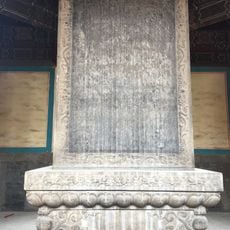
Stone tablets throughout the grounds record names and ranks of thousands of scholars who passed imperial examinations across three dynasties. These inscriptions show how deeply the examination system shaped the selection of government officials.
The temple is easily reached by public transportation with multiple subway connections nearby for convenient access. Wear comfortable shoes, as exploring the grounds involves walking across different areas and terrain changes throughout the seasons.
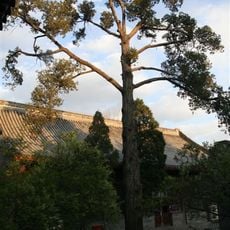
The largest cypress in the temple, planted by Xu Heng, chancellor of the Imperial Academy in the Yuan dynasty, stands by the steps of the Dacheng Hall and is nearly 700 years old. Legend says it knocked the hat off the corrupt Ming minister Yan Song as he passed during a sacrifice, so people called it the Touch-Evil Cypress, believing it could tell loyalty from treachery.
The community of curious travelers
AroundUs brings together thousands of curated places, local tips, and hidden gems, enriched daily by 92,766 contributors worldwide.