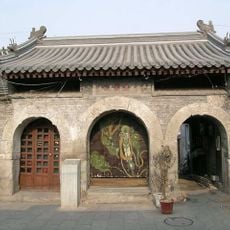
Yandai Xiejie, Preserved hutong street in Xicheng District, Beijing, China
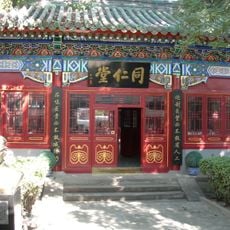
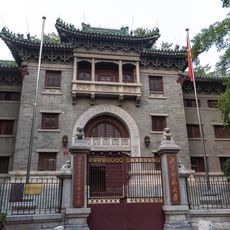
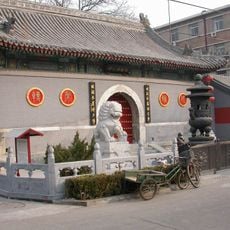
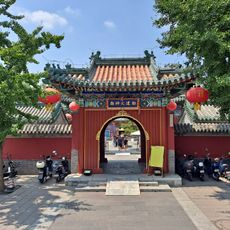
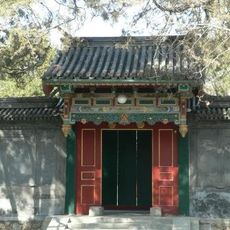
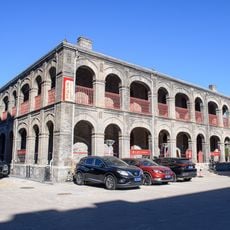
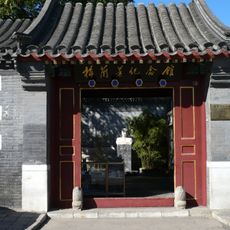
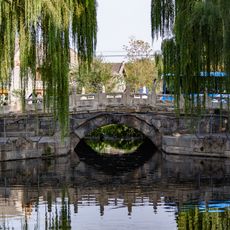
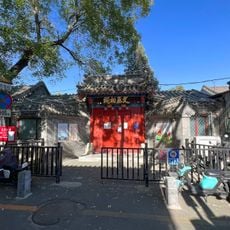
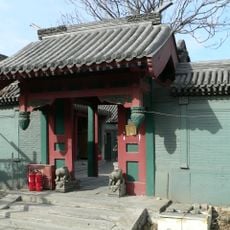
Yandai Xiejie is a stone-paved hutong in Xicheng featuring traditional wooden storefronts, courtyards, and architecture from the Ming and Qing dynasties. The street stretches roughly 230 meters with historic buildings framing both sides.
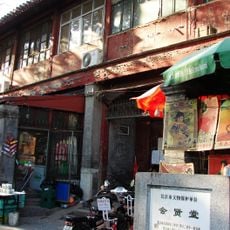
The street appears in Ming-dynasty records as Dayuting Xie Jie, named for the Yuan and Ming office that managed fishing in the Shichahai lakes. By the Qianlong era it was called Gulou Xie Jie; the name Yandai Xiejie emerged in the Jiaqing–Daoguang period and was fixed in the Guangxu Shuntian Fu Zhi. In the late Qing and early Republic, more than 80 shops lined the street, including tobacco-pipe stores, antique dealers and the Pan Bukun Western-tailoring shop.
The street blends traditional Chinese craft workshops with modern eateries, creating a space where locals and visitors shop and dine side by side. This mix of old and new shapes how people use the area today.
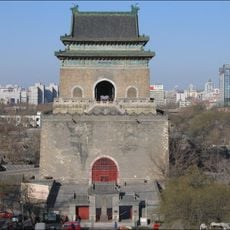
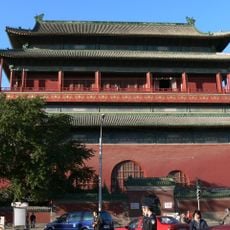
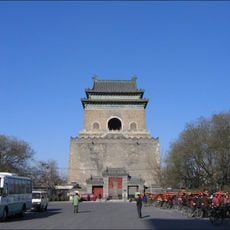
The street runs 232 metres from Di'anmen Outer Street east to Xiaoshibei Hutong west, bending southwest then northwest. It is 5 to 6 metres wide and paved with bluestone slabs. Enter from the east end near the Drum Tower for the full diagonal route.
The name comes from the tobacco-pipe shops that once lined the street; two of them, Tonghesheng and Shuangshengtai, were known for cleaning Empress Dowager Cixi's water pipe. Shops hung black-wood pipes above their doors as signs, and one is said to have measured 1.5 metres, with a black stem, gold bowl and red lining.
The community of curious travelers
AroundUs brings together thousands of curated places, local tips, and hidden gems, enriched daily by 93,104 contributors worldwide.