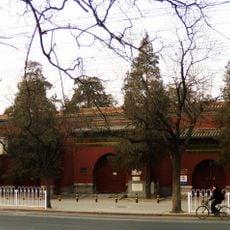
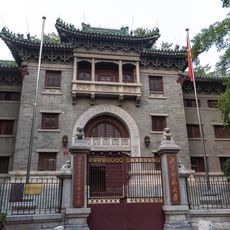
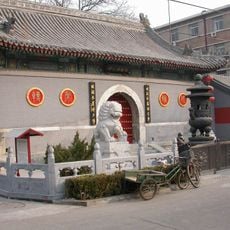
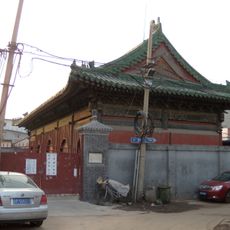
Prince Gong's Mansion, Palace in Xicheng District, Beijing, China
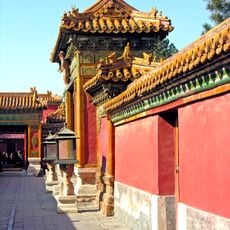
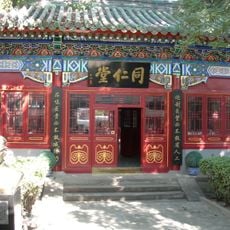
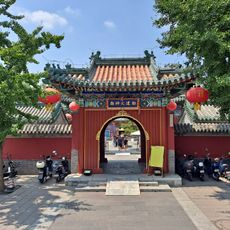
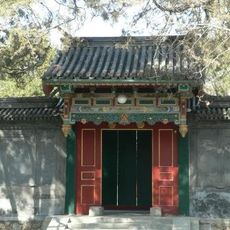
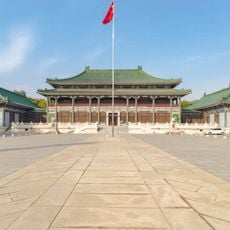
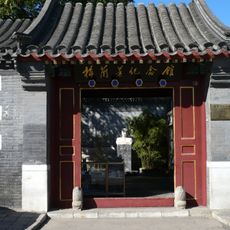
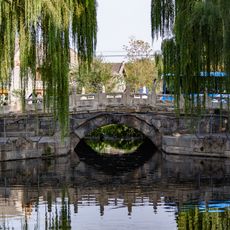
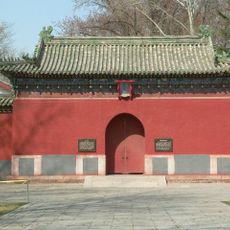
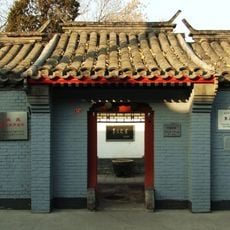
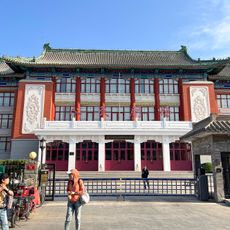
Prince Gong's Mansion is a large palace complex in the Xicheng District of Beijing, covering more than 60,000 square meters and combining residential halls with extensive garden grounds. The layout follows three parallel courtyards linked by central north-south axes that create a clear spatial order.
The palace was built in 1780 for minister Heshen and later passed through several hands before becoming the residence of Prince Gong in 1850. The different owners shaped the compound through their respective alterations and additions.
The name "Gong" is a title meaning "Respectful," not Prince Yixin's personal name. The garden's Grand Theatre hosts Peking and other Chinese opera, and around the second Saturday of June, Kunqu opera and guqin performances are held there with the Chinese Kunqu and Guqin Research Association.
The compound is entered from Qianhai West Street in the south, with the mansion halls first and the garden behind the 160-metre rear cover building to the north. The site covers about 61,120 square metres, so allow several hours to cross both halves. The mansion reopened fully on 20 August 2008 after restoration begun in 2005.
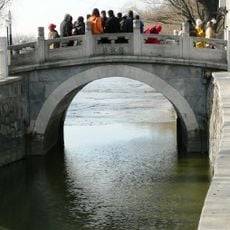
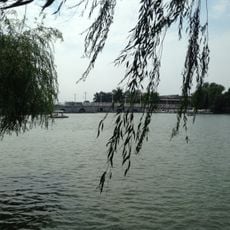
The garden's central route holds a stone stele about eight metres long bearing the character 福 (fortune), copied from the calligraphy of the Kangxi Emperor. The garden also contains rock brought from Lake Tai in Jiangsu and 20 named scenic spots, among them the Bat Pool and the Western Gate.
The community of curious travelers
AroundUs brings together thousands of curated places, local tips, and hidden gems, enriched daily by 92,871 contributors worldwide.