Palace of Eternal Longevity, Ming and Qing dynasty palace in Beijing, China
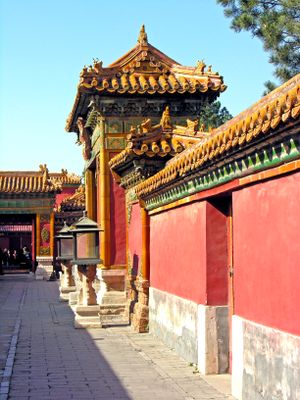
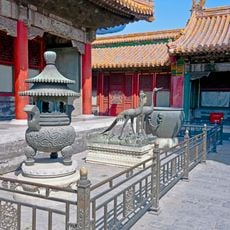
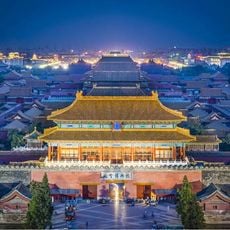
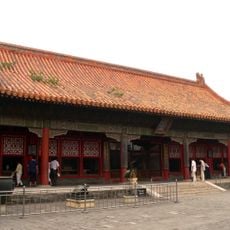
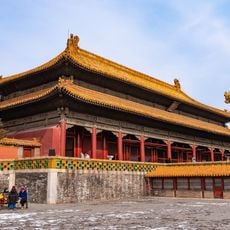
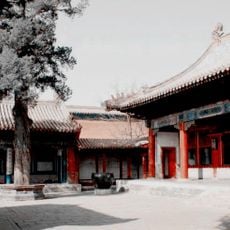
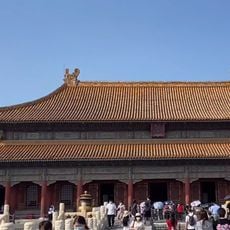
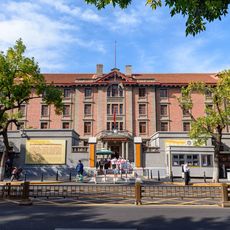
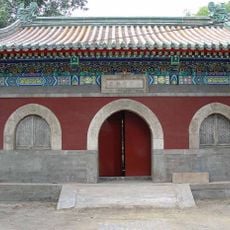
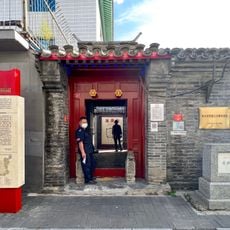
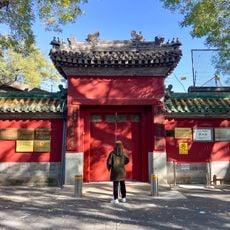
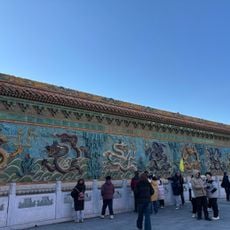
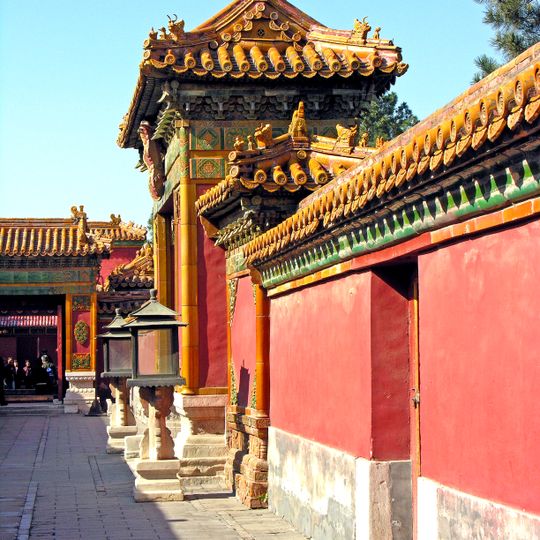
The Palace of Eternal Longevity is a Ming and Qing era palace in Beijing featuring a five-bay main hall topped with yellow glazed tiles. The structure sits in the southeast corner of the Western Six Palaces and follows the symmetrical layout typical of imperial court buildings.
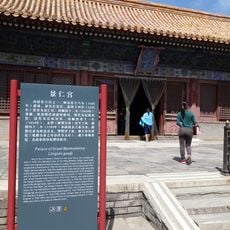
Built in 1420 as the Palace of Eternal Joy, the structure underwent name changes in 1535 and 1616 before receiving its current designation. These renaming events marked shifts in how the building was used within the imperial complex.
The main hall displays Emperor Qianlong's calligraphy and artwork depicting Ban Jieyu, a Han dynasty consort. Visitors can observe how the palace reflects the court's appreciation for art and literature across multiple historical periods.
The palace is part of the Palace Museum and visitors can access it during designated seasons. Comfortable walking shoes are recommended as the grounds involve navigating stone pathways and indoor staircases.
During Emperor Daoguang's reign, the palace stored confidential reports from frontier officials about internal and external threats facing the empire. This administrative function reveals how the building served purposes beyond its decorative role.
The community of curious travelers
AroundUs brings together thousands of curated places, local tips, and hidden gems, enriched daily by 91,693 contributors worldwide.