广福观, Historical temple in Xicheng District, China
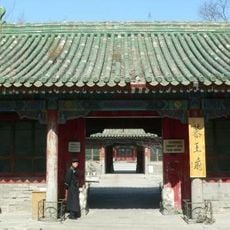
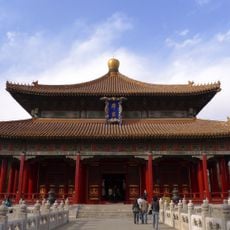
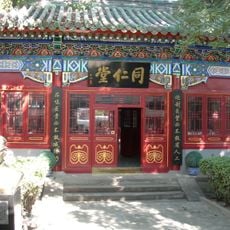
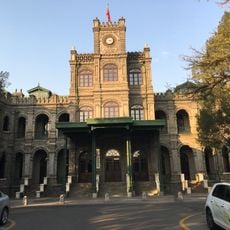
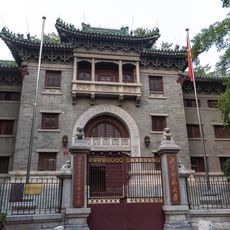
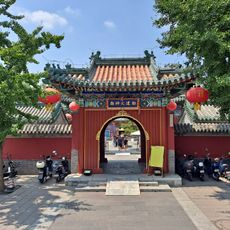
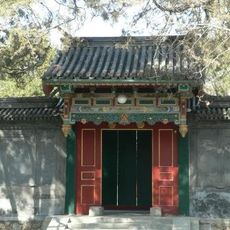
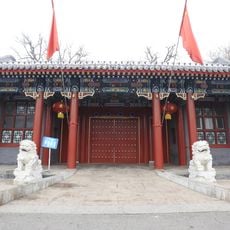
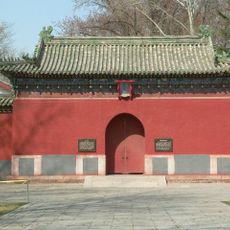
Guangfu Guan is a Taoist temple located in Xicheng District, situated near important historical sites in the city center. The complex features multiple halls and courtyards organized in traditional Chinese architectural style, creating interconnected spaces that reveal the building's religious and functional design.
Guangfu Guan was built in 1459, the third year of the Ming Tianshun reign, and housed the Dao Lu Si, the Ming office that administered Taoism nationwide. It was rebuilt under the Yongzheng emperor of the Qing and renamed Fuyou Gong, then reverted to Guangfu Guan in the Republic of China era, when an Anqing water association met there. A 1460 stele records its rebuilding.
The temple is named after Guangfu, and its main deity is Lü Dongbin, the Pure Yang patriarch. In the Republican era it briefly housed the Anqing Water Society. Since 2008 it has opened as a cultural exhibition venue, and the 1460 stele recording its restoration still stands in the compound.
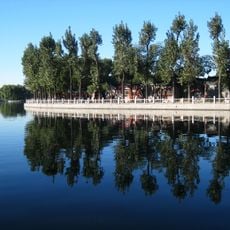
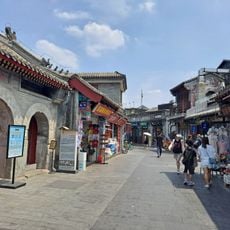
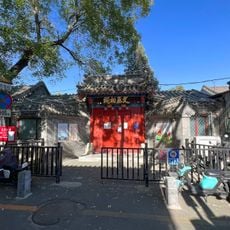
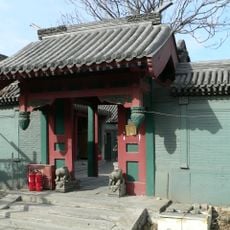
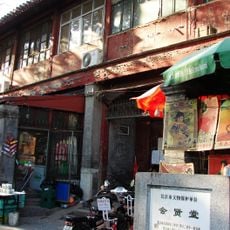
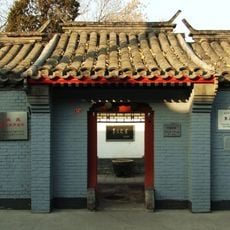
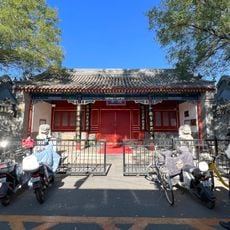
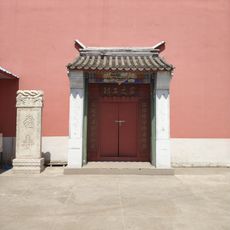
Guangfu Guan sits at No. 37 Yandaixie Street, a narrow pedestrian lane running north from Di'anmen Wai Dajie near Shichahai; the west courtyard is No. 51. The temple is a cultural exhibition site rather than an active place of worship, so there are no ritual hours to work around. The east courtyard retains its gate, halls and corner rooms; the west courtyard, the Baiyun Xianyuan, keeps only its Lüzu Hall and east wing.
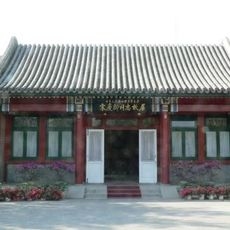
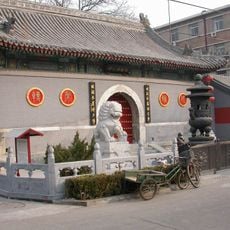
The temple's west courtyard, now No. 51 Yandaixie Street, was known as Baiyun Xianyuan; only its three-bay Lüzu Hall and an east wing room survive, while its gate and five-bay rear hall are gone. The east courtyard at No. 37 keeps the 1460 stele recording the temple's repair, and Qing-era painted decoration was uncovered during the 2007 restoration.
The community of curious travelers
AroundUs brings together thousands of curated places, local tips, and hidden gems, enriched daily by 94,536 contributors worldwide.