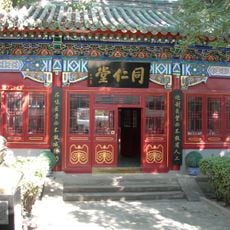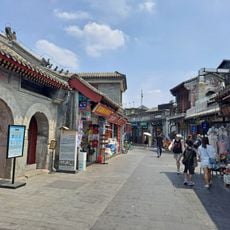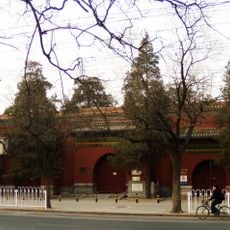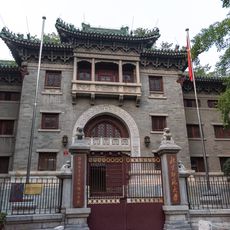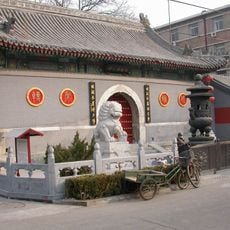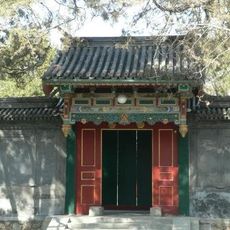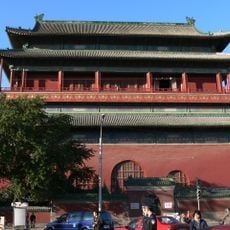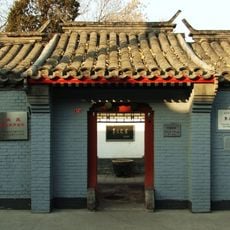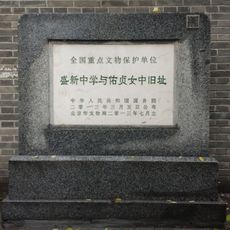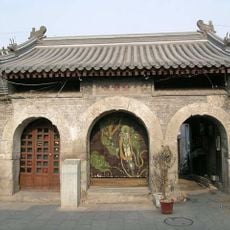
Xiancantan, Imperial altar building in eastern Beihai Park, Beijing, China
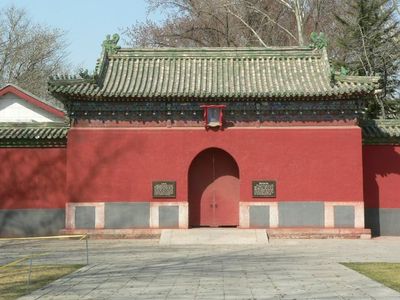
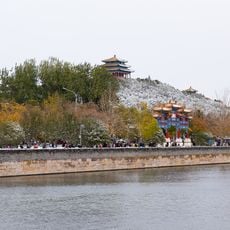
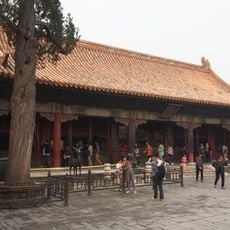
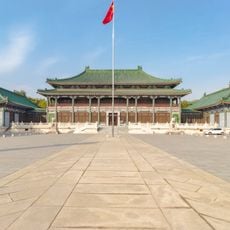
Xiancantan is an imperial altar building situated in the eastern section of Beihai Park with a platform standing about 1.3 meters high. Two staircases lead up to the ceremonial space, and behind the main structure are specialized halls dedicated entirely to sericulture and silkworm cultivation.
Built in 1742 during the Qianlong reign of the Qing Dynasty, this structure honors Leizu, an ancient figure credited with advancing silk production. The construction demonstrates how central silk manufacturing was to imperial interests and economy.
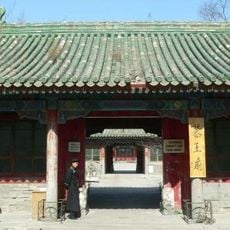
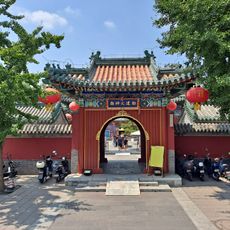
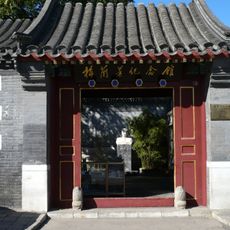
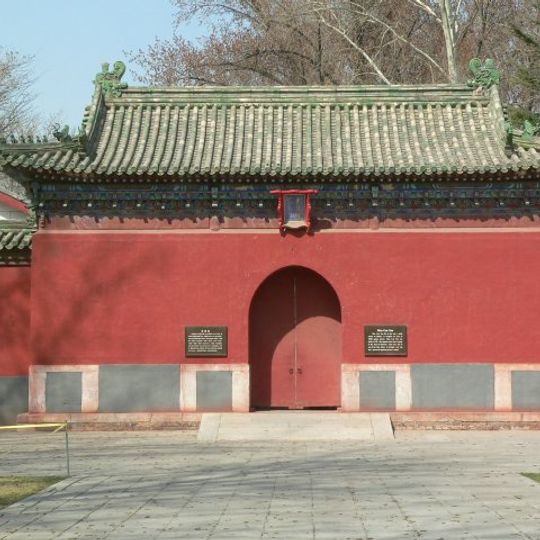
The Gate of Admiration for Silkworms marks the entrance and draws visitors into a space dedicated to Chinese silk traditions. The layout reflects how sericulture held deep importance in imperial life and daily practice.
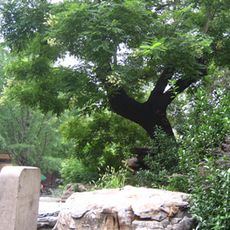
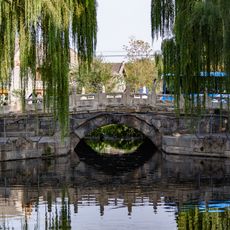
Visitors cross a bridge from the Temple of the Dragon King to reach the altar, walking through grounds surrounded by mulberry trees. The site is easy to navigate from within the park, with clear pathways leading through the eastern section.
During the Qing period, this site served not only as a religious space but also as a place where imperial officials demonstrated their connection to silk production. This dual purpose makes it a rare example of how spirituality and economic interests merged in imperial architecture.
The community of curious travelers
AroundUs brings together thousands of curated places, local tips, and hidden gems, enriched daily by 91,364 contributors worldwide.