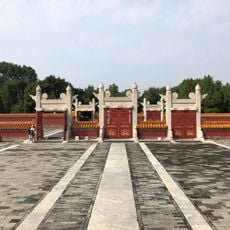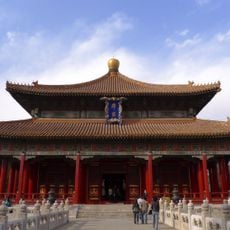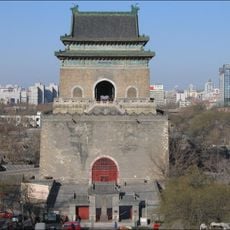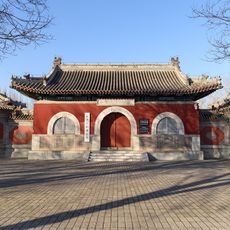
Xihuang Temple, Buddhist temple in Anzhen Subdistrict, China.
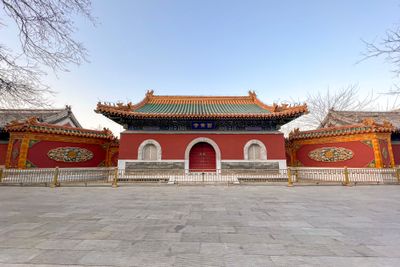
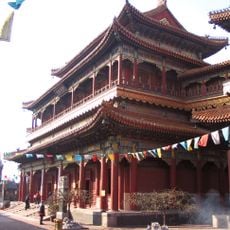
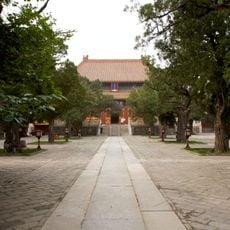
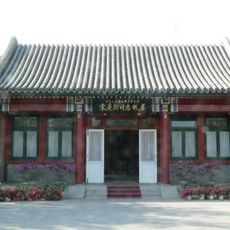
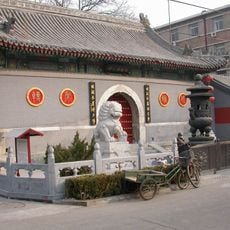
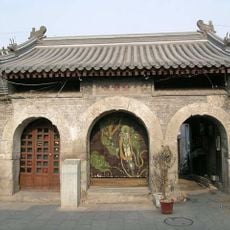
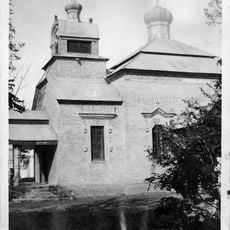
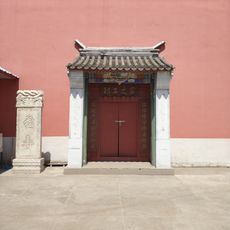
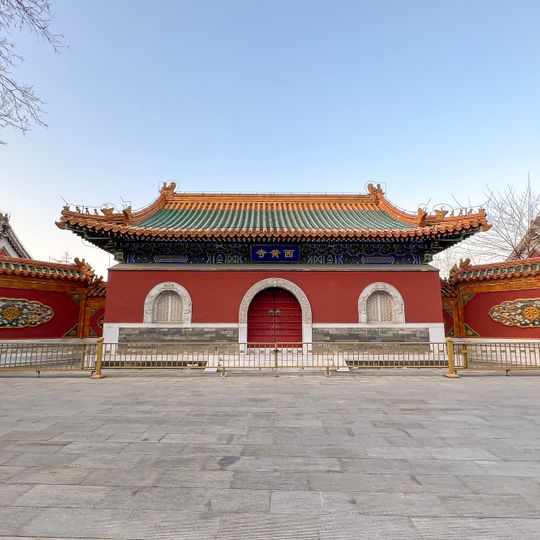
Xihuang Temple is a Buddhist temple in the Anzhen Subdistrict featuring traditional Chinese architectural elements with white walls, curved roofs, and decorative stone carvings. The complex comprises multiple halls and courtyards arranged around central spaces for prayer and gatherings.
Founded in 1652 by Emperor Shunzhi as a residence for the 5th Dalai Lama, the temple became a crucial diplomatic link between Tibet and the Qing Dynasty. The structure and its original purpose reflect the imperial patronage of that era.
The temple houses the High-Level Tibetan Buddhism College of China, where monks from Tibet and Mongolia pursue advanced religious studies. Visitors can observe a living scholarly tradition that blends language, philosophy, and spiritual practice.
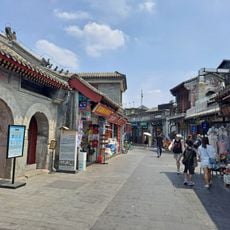
The temple is accessible to visitors during daytime hours and can be reached via public transportation. Plan to spend about an hour walking through the courtyards and halls while wearing comfortable shoes.
A white pagoda monument stands north of the temple, built in 1780 to commemorate the 6th Panchen Lama who died during his time in Beijing. This structure links the spiritual history of the place to a significant moment in Tibetan-Chinese relations.
The community of curious travelers
AroundUs brings together thousands of curated places, local tips, and hidden gems, enriched daily by 92,895 contributors worldwide.