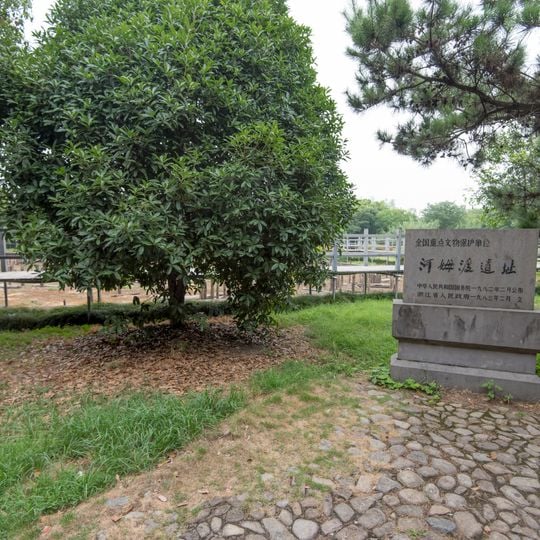
Hemudu Site, Archaeological site in Yuyao City, China
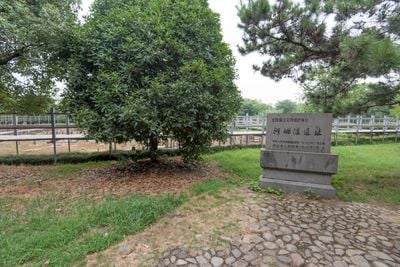
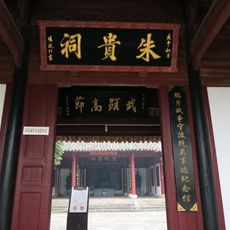
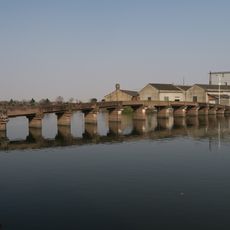
The Hemudu Site is an archaeological location near the Yangtze River Delta where ancient buildings rested on wooden posts to protect from flooding. The museum displays pottery, stone tools, jade objects, and textile fragments that were discovered there.
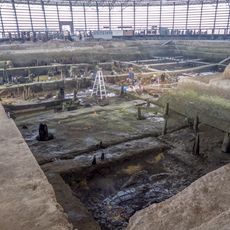
The site dates to around 5500 BCE and was discovered in the 1970s when archaeologists began excavating an early settlement. Findings show that people here practiced early rice farming and raised animals for food.
The site reveals how people organized their lives here 7,000 years ago, with skills in pottery, jade carving, and textile work that still impress today. You can observe the quality of objects that were created by hand without modern tools.
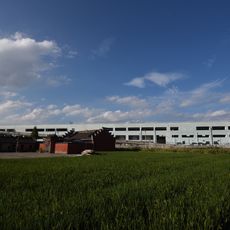
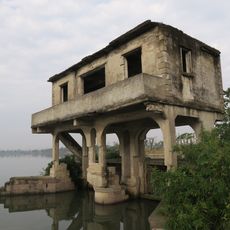
The excavation area and museum display findings with explanations at different points throughout the site. Plan enough time to walk through all exhibits and understand the layout of the ancient structures on display.
Wooden structures have survived in the wet soil for thousands of years, offering rare glimpses into ancient building methods. This natural preservation allowed archaeologists to study houses and everyday items that would have vanished otherwise.
The community of curious travelers
AroundUs brings together thousands of curated places, local tips, and hidden gems, enriched daily by 90,802 contributors worldwide.