Baiyun Manor, Cultural heritage site in Ningbo, China
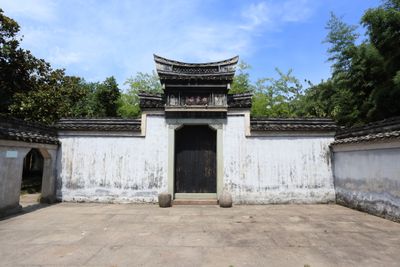
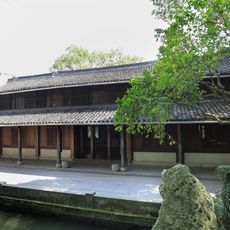
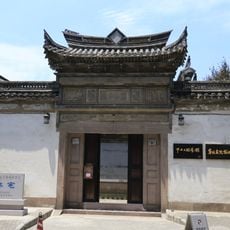
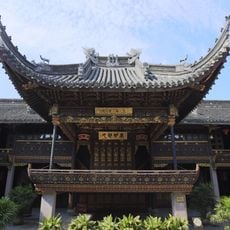
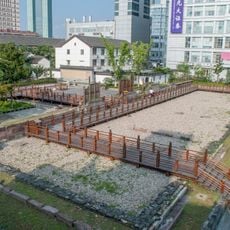
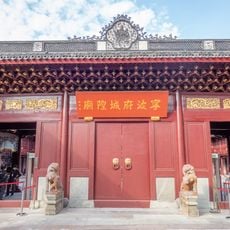
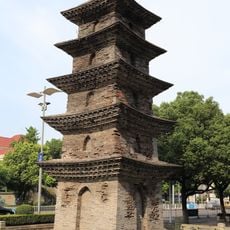
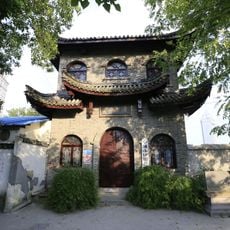
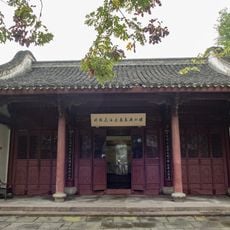
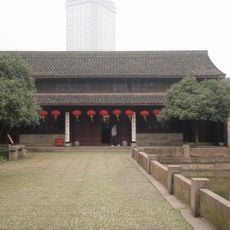
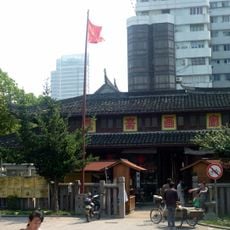
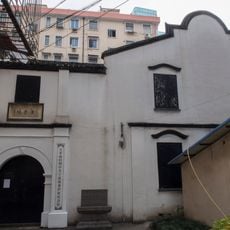
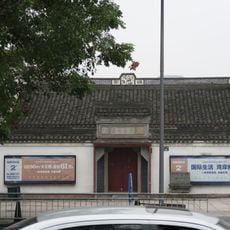
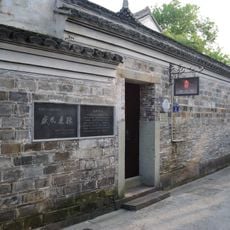
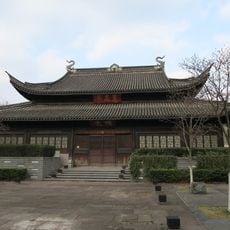
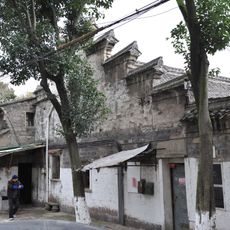
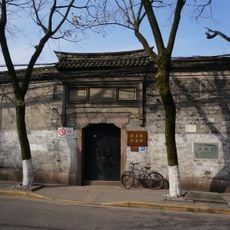
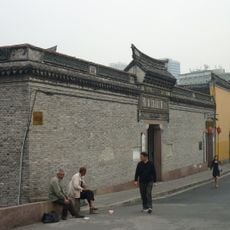
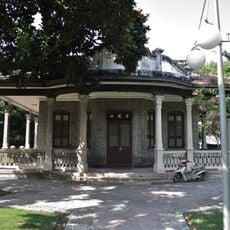
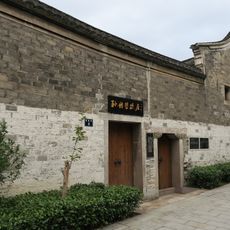
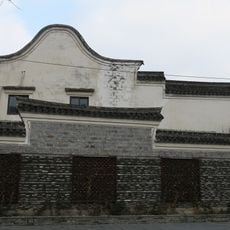
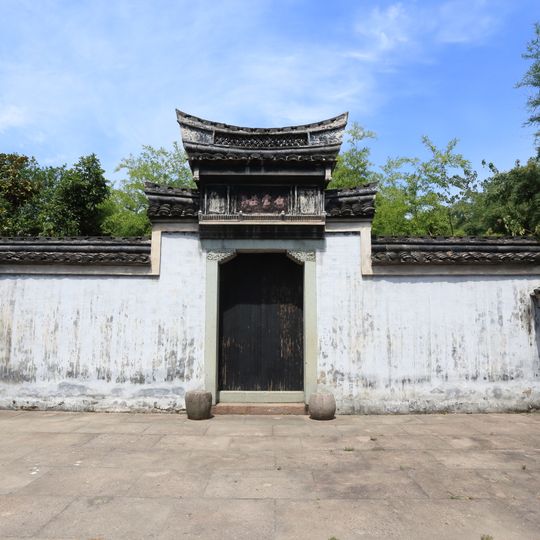
Baiyun Manor is a heritage property in the western suburbs of Ningbo beside the Guanjiang River, surrounded by bamboo groves and thick walls that enclose the entire compound. The buildings feature classical Chinese architecture with courtyards, pavilions, and halls designed for scholarly study and intellectual exchange.
The manor was built during the Ming Dynasty but gained prominence in 1668 when scholar Huang Zongxi established it as a place for teaching and intellectual debate. It became a major center of the Zhedong School during the Qing Dynasty, influencing the philosophical thought of its era.
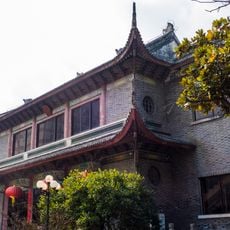
The manor displays traditional architecture that reflects the scholarly values of Ming and Qing periods, with spaces arranged to show how learning and debate took place within these walls. The layout reveals how intellectuals organized their daily lives and created an environment for advancing knowledge.
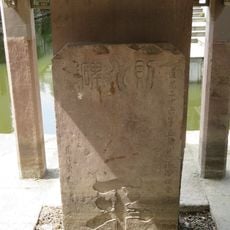
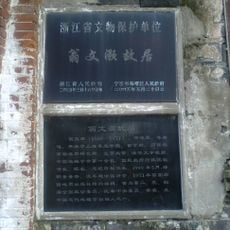
Visitors should arrive early to explore the halls and courtyards at a leisurely pace and read the inscriptions displayed throughout the property. Nearby dining options and accommodations make it convenient to spend several hours or longer at the site.
The property contains the burial site of Wanbangfu, a Ming Dynasty figure, which is notably larger than typical memorial structures from that period and offers insight into his importance. This tomb reflects the high esteem in which he was held during his lifetime.
The community of curious travelers
AroundUs brings together thousands of curated places, local tips, and hidden gems, enriched daily by 91,396 contributors worldwide.