Paderborn, Historic district capital in North Rhine-Westphalia, Germany
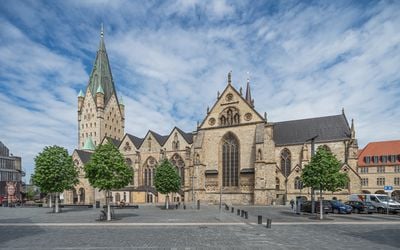
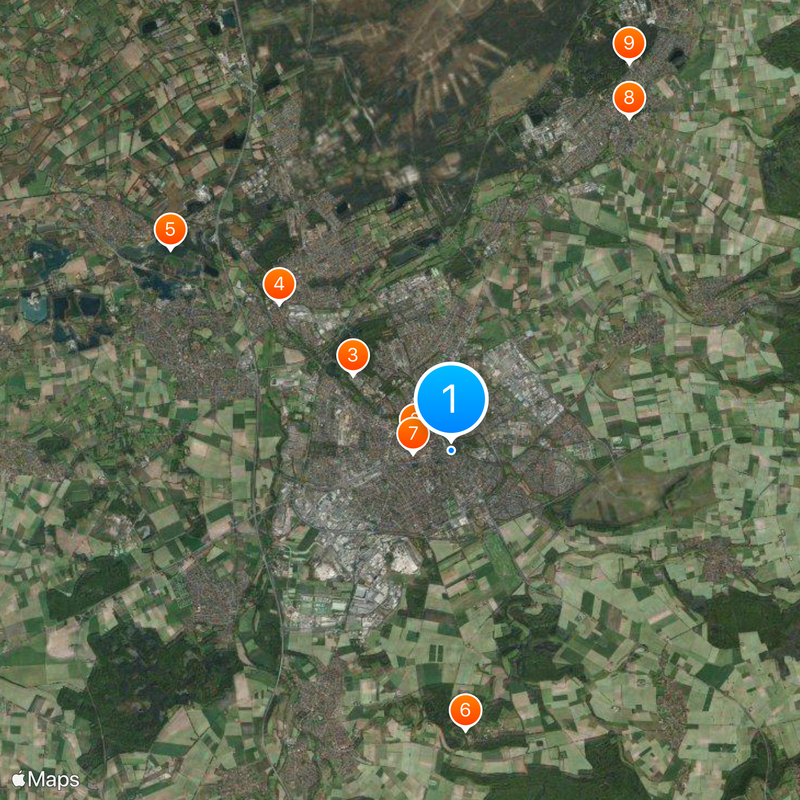
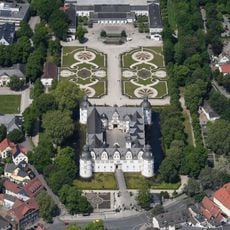
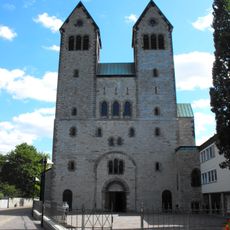
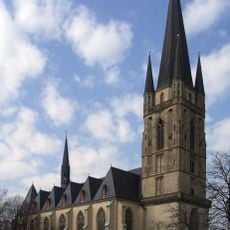
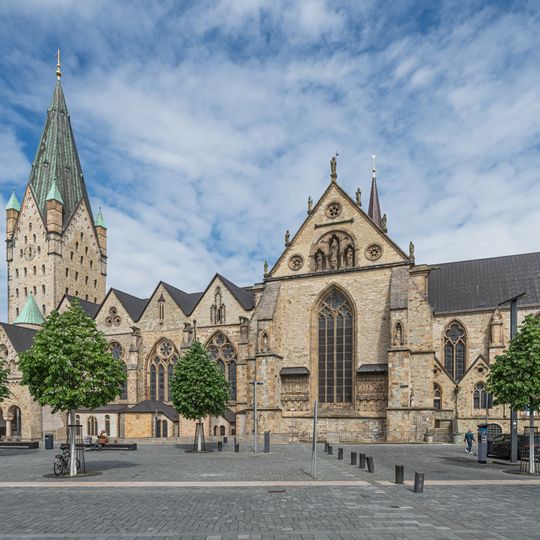
Paderborn is a district capital in North Rhine-Westphalia that stretches along the Pader River and has around 150,000 inhabitants. The old town clusters around the Romanesque cathedral, while the newer neighborhoods extend south toward the Teutoburg Forest.
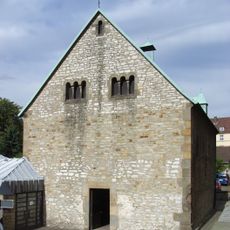
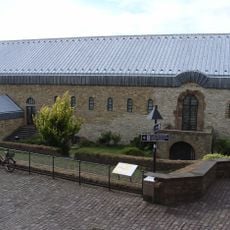
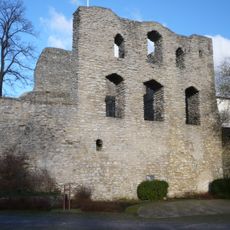
Charlemagne ordered a palace built by the Pader springs in 777, which became a meeting point for imperial assemblies and a base for the Saxon Wars. The founding of the bishopric in 795 and the meeting with Pope Leo III in 799 turned the site into an ecclesiastical and political center of the early Middle Ages.
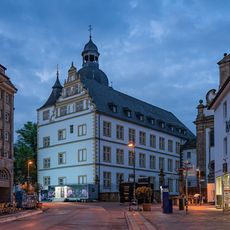
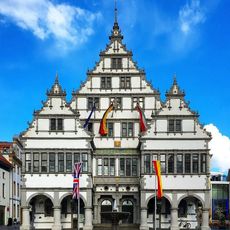
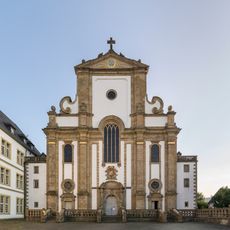
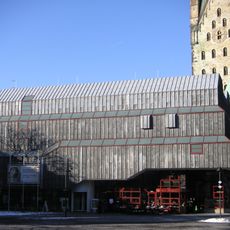
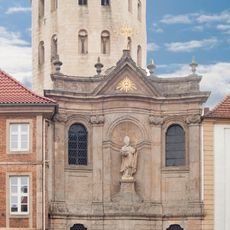
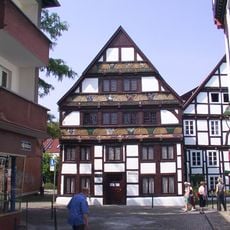
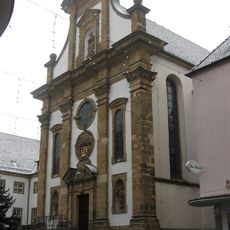
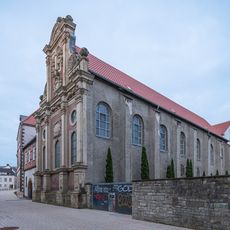
The city takes its name from the Pader River, whose springs rise beneath the cathedral and flow through the center. Half-timbered buildings stand beside baroque architecture in the lanes around the market square, while the town hall and Jesuit church make the religious and civic tradition visible.
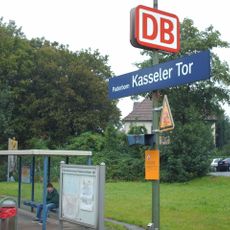
The main station sits west of the old town and connects the city to major centers across North Rhine-Westphalia and beyond. Visitors can easily explore the historic center on foot, while the hills to the south are more easily reached by bike or public transport.
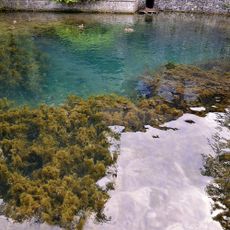
More than 200 springs feed the Pader over a length of just four kilometers (2.5 miles), making it the shortest river in Germany. The water emerges directly beneath the cathedral square from karst rock and forms several small pools before joining the Lippe.
The community of curious travelers
AroundUs brings together thousands of curated places, local tips, and hidden gems, enriched daily by 91,182 contributors worldwide.