University of Tübingen, Public research university in Tübingen, Germany.
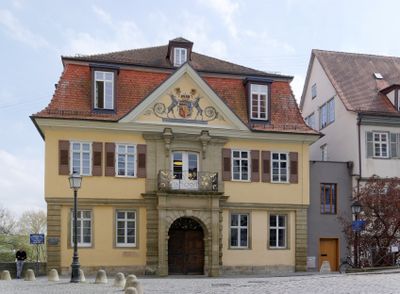
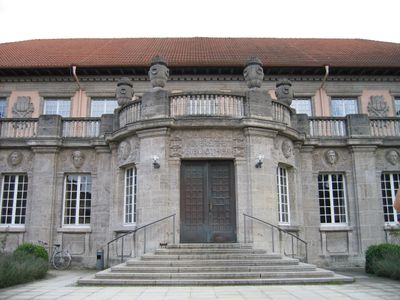
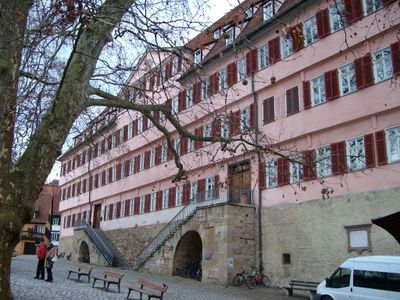
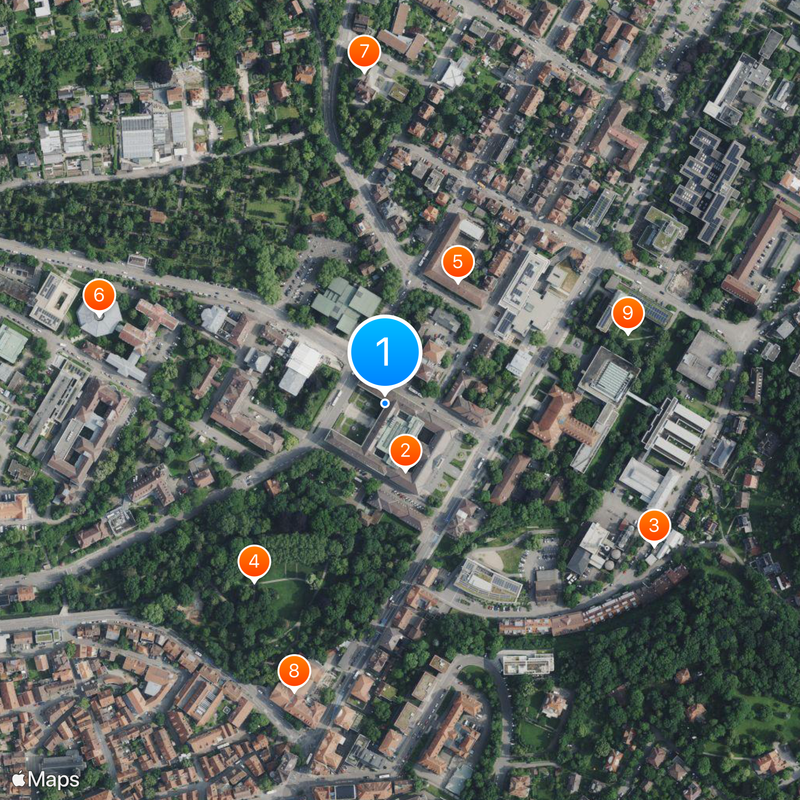
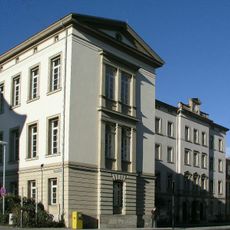
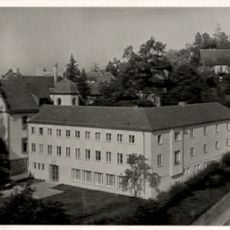
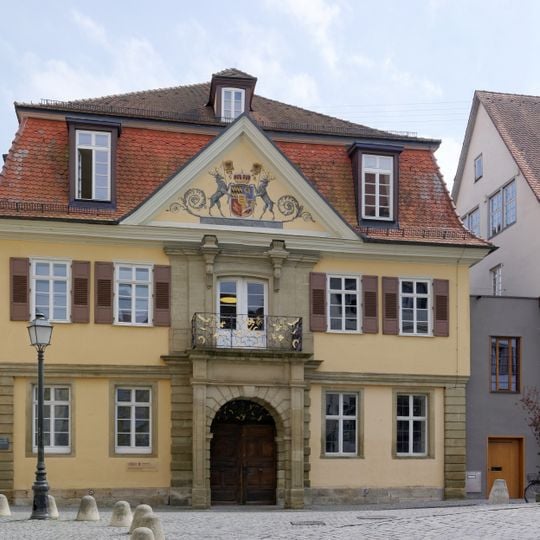
The University of Tübingen is a public research institution in Tübingen, Germany, whose buildings spread across old town alleys, hillside sites and newer districts. Lecture halls, laboratories and administrative offices fit between half-timbered houses, baroque facades and concrete structures from the 1970s.
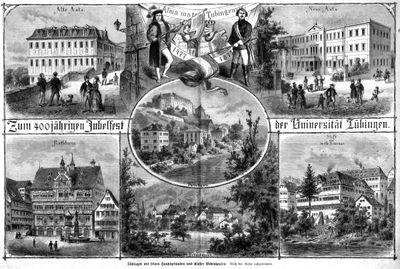
Eberhard I of Württemberg founded the institution in 1477 to enable theological and legal training in the duchy. The Reformation shaped the academic profile in the 16th century, while the 19th century brought natural sciences to the foreground.
The name honors founder Eberhard the Bearded, whose reformist spirit shaped the institution and still emphasizes freedom in research today. Students traditionally live in old town houses and connect academic life with daily routines that stretch from the Neckar riverbanks to the castle hill.
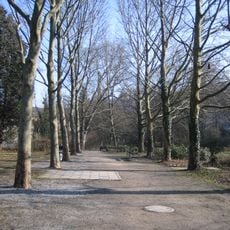
Many faculty buildings lie scattered, some in steep alleys or on hills, so comfortable shoes help when exploring. Public courtyards and library entrance areas usually remain open to visitors, while laboratory zones often require permission to enter.
Friedrich Miescher first isolated nucleic acid from white blood cells here in 1868, laying the foundation for later DNA research. His workrooms were located in the old castle, which served as laboratory space at the time and still houses institute buildings today.
The community of curious travelers
AroundUs brings together thousands of curated places, local tips, and hidden gems, enriched daily by 92,452 contributors worldwide.