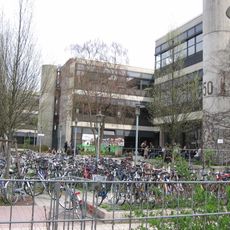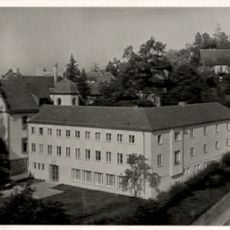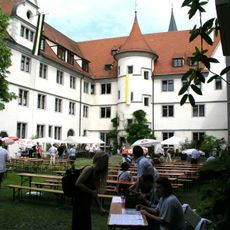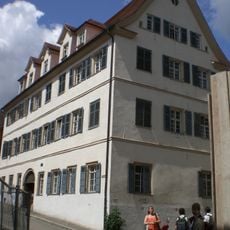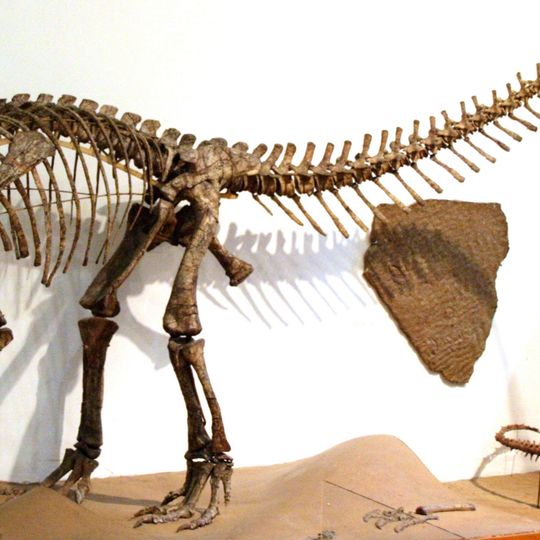
Paläontologische Sammlung des Museums der Universität Tübingen, Paleontological collection at University of Tübingen, Germany
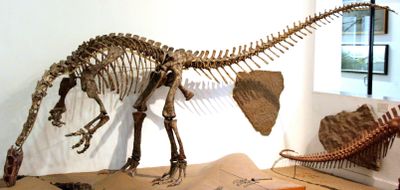
The Paleontological Collection at the University of Tübingen Museum houses around 600,000 fossils ranging from tiny organisms to large vertebrates and spanning multiple geological periods. The holdings include both common and rare species from various rock layers.
The collection began in the early 18th century as a teaching and research repository, growing through contributions from university staff and private collectors. It expanded over generations to become one of the major paleontological collections in southwestern Germany.
The collection displays fossils from the Tübingen region, including marine reptiles and early mammals, showing how different forms of life developed over time. Visitors can observe how nature changed across different periods.
The collection is open on weekdays and offers free entry for visitors. Larger groups can request guided tours to learn more about individual specimens and their scientific importance.
The collection holds one of only eight known specimens of Henodus chelyops, a placodont reptile discovered in the Golderbach Valley near Tübingen. This rare fossil provides insights into an ancient marine ecosystem that no longer exists.
The community of curious travelers
AroundUs brings together thousands of curated places, local tips, and hidden gems, enriched daily by 92,776 contributors worldwide.