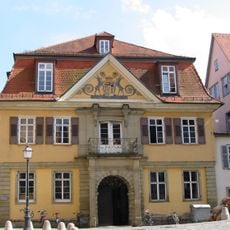
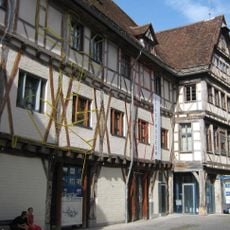
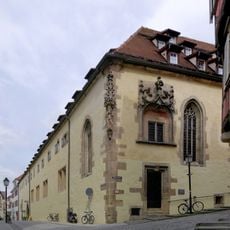
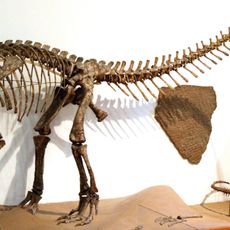
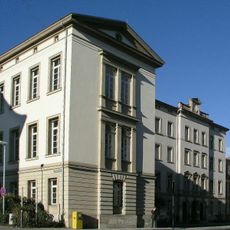
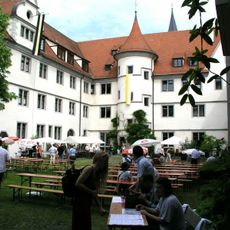
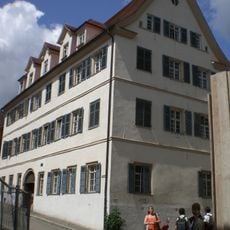
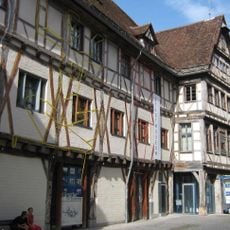
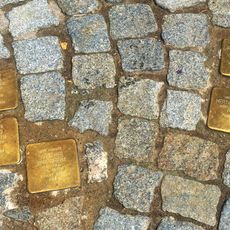
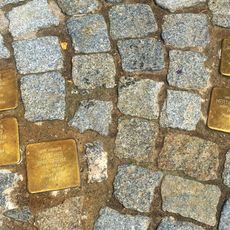
Alter Botanischer Garten Tübingen, University botanical garden in Tübingen, Germany.
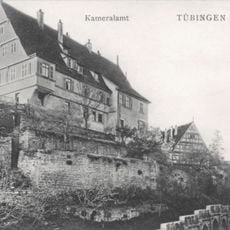
The Alter Botanischer Garten Tübingen is a municipal park north of the old town, between Am Stadtgraben and the Ammer. It began as the university's botanical garden, laid out from 1806 to 1809 under Carl Friedrich Kielmeyer on the site of the earlier Tummelgarten. The Ammerkanal runs through it but is culverted and no longer visible; the former cemetery to the north was merged into the grounds as an arboretum around 1850.
The garden was founded in 1535 by Leonhart Fuchs as a medicinal plant collection for university medical research. Over centuries, researchers and teachers expanded the collection by gathering and documenting new plant species from various regions.
The garden displays plants from different climate zones and serves as a place where visitors explore the variety of botanical life. Students and guests walk through and observe how plants thrive in different growing environments.
The park lies between Am Stadtgraben and the Ammer, with the Wilhelmstraße closing it off to the east; the Ammerkanal runs through it but is culverted from Am Stadtgraben on and no longer visible. The main entrance once stood mid-way along the Grabenstraße, with a staff entrance beside Wilhelmstraße 5. The grounds are owned by the state and maintained by the municipal works; some trees are protected natural monuments.
The palm house that once stood here was demolished after the university moved to a new garden in 1969, despite protests and its status as one of the last glass-and-iron buildings in southern Germany. Its 1886 successor had a base of Gönningen tuff and drew on the Crystal Palace of 1851. The garden's oldest tree plantings began as the city cemetery, merged with the garden around 1850 as an arboretum.
The community of curious travelers
AroundUs brings together thousands of curated places, local tips, and hidden gems, enriched daily by 94,229 contributors worldwide.