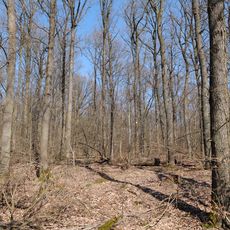
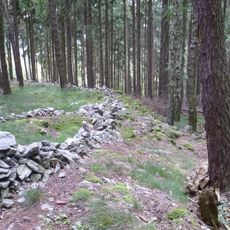
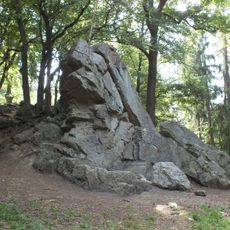
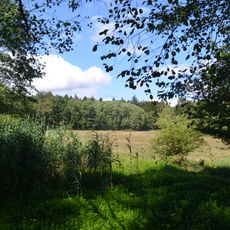
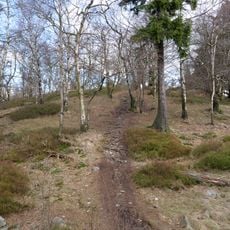
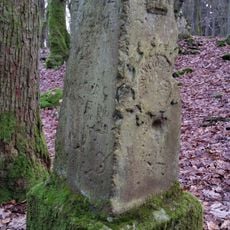
Heidetrank Oppidum, Celtic fortified settlement in Oberursel, Germany.
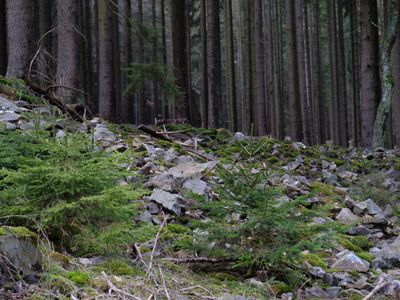
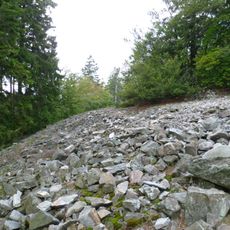
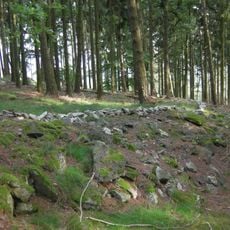
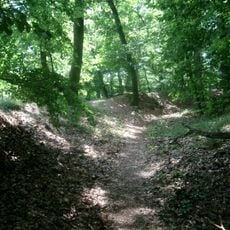
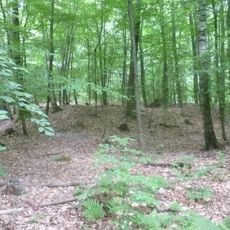
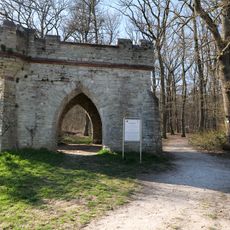
Heidetränk Oppidum is a Celtic fortified settlement near Oberursel whose ramparts enclose two ridges, the 492-metre Goldgrube and the 575-metre Altenhöfe, across about 130 hectares. The outer wall was a 4–5 metre high and wide post-slot rampart, and six Zangentore (inward-turning gates) controlled access; the south-east and north-east gates remain visible as earthworks. About 160 terraced house platforms have been recorded.
The settlement developed during the Iron Age and grew into a major trading center during the late La Tène period. It was abandoned in the first century BC, likely due to political changes and the Roman expansion into the region.
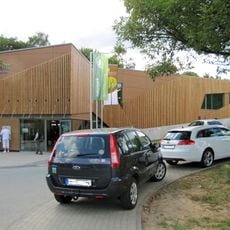
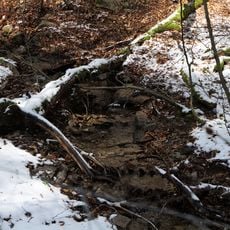
The name Heidetränk comes from the ravine, the Heidetränktal, between the two ridges the ramparts cross. Excavations by Christian Ludwig Thomas in the late 19th century found postholes, hearths and tool remains on the house terraces. Most finds, including iron ploughshares, sickles and the Nauheim Quinarius, are kept in the Vortaunusmuseum in Oberursel.
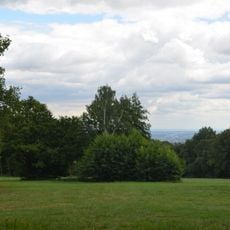
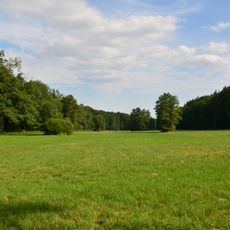
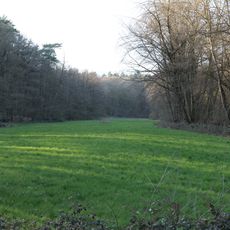
The site is accessible via marked hiking trails in the Taunus region and sits on elevated terrain with views of the surrounding landscape. The grounds can be explored on foot, though sturdy footwear and adequate time are recommended for the walk.
A hoard of 349 Celtic silver coins found by looters at the site was divided in May 2011 between the Archaeological State Collection in Munich and the Hohemarksverband, owner of the oppidum. Bad Vilbel later sold its share to Frankfurt, and the coins went on display at the Archaeological Museum on 22 June 2011.
The community of curious travelers
AroundUs brings together thousands of curated places, local tips, and hidden gems, enriched daily by 93,366 contributors worldwide.