Burbach, municipality in the Siegen-Wittgenstein district, in North Rhine-Westphalia, Germany
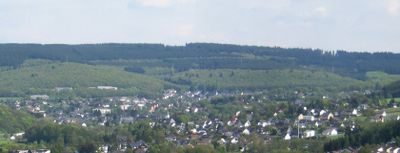
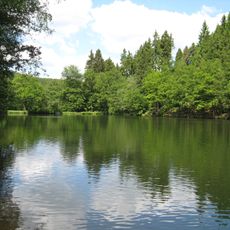
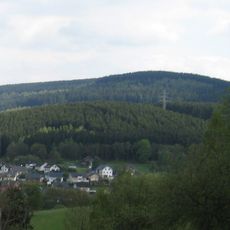
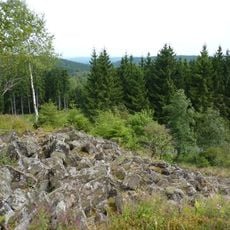
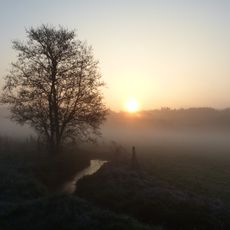
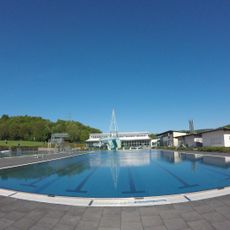
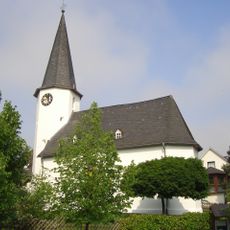
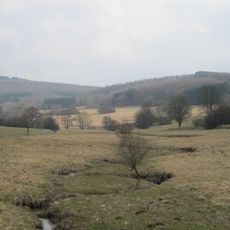
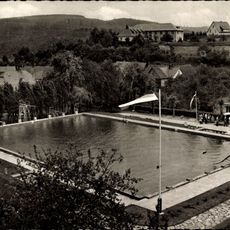
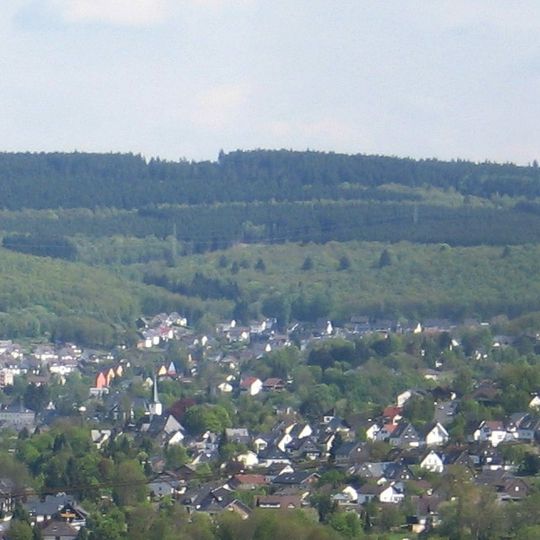
Burbach is a small municipality in the Siegen-Wittgenstein district made up of nine smaller villages and set in a valley surrounded by hills. The town features old houses with brick and woodwork, quiet streets, simple shops, and natural areas with forests and fields right nearby.
Burbach was first mentioned in documents around the 11th century after Frankish settlers arrived and used the area's rich iron ore deposits. A major fire destroyed most buildings in 1758, but the town rebuilt afterward and gained new life when the railway arrived in the 19th century.
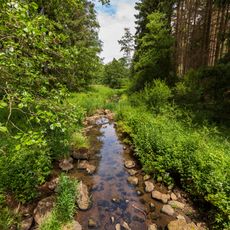
The name Burbach comes from the stream running through the valley that has shaped life here for centuries. The town's identity appears in its coat of arms, which shows symbols from old noble families and the Siegerland region, while residents take pride in their festivals and local traditions.
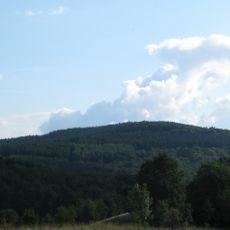
Visitors can reach Burbach easily via the train station on the historic railway line or by bus, while the A 45 highway is nearby for access to larger cities like Siegen. The town itself is small and walkable, good for strolling, and the surrounding forests and fields are ideal for hiking or cycling.
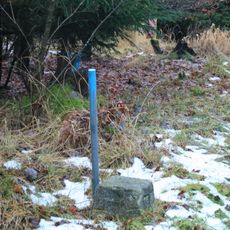
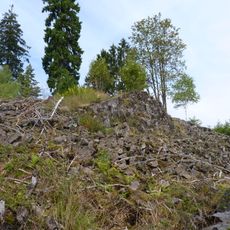
Celtic and Germanic tribes built small furnaces about 1500 years ago to process local iron ore and constructed a defensive wall on a hill in the village. This early use of natural resources has shaped the identity and history of the region to this day.
The community of curious travelers
AroundUs brings together thousands of curated places, local tips, and hidden gems, enriched daily by 92,743 contributors worldwide.