Preußisch Oldendorf, town in the Minden-Lübbecke district, in North Rhine-Westphalia, Germany
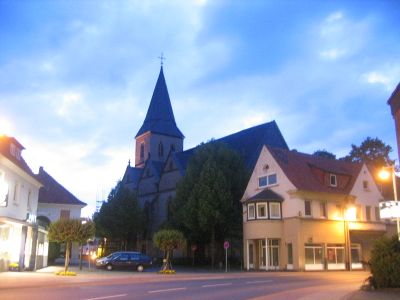
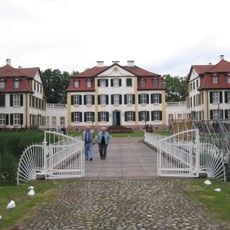
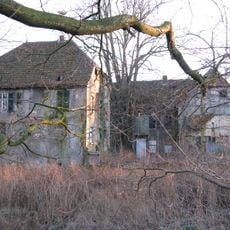
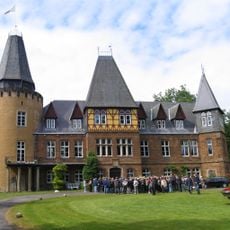
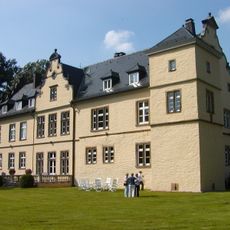
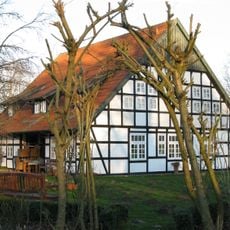
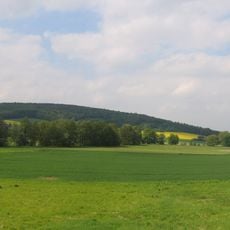
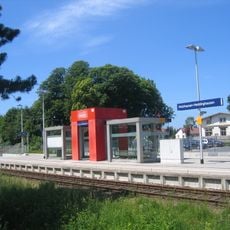
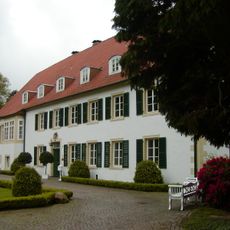
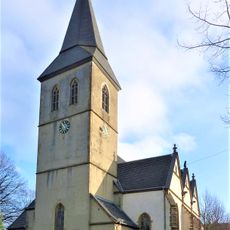
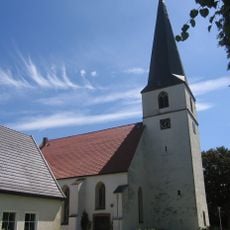
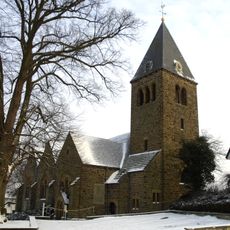
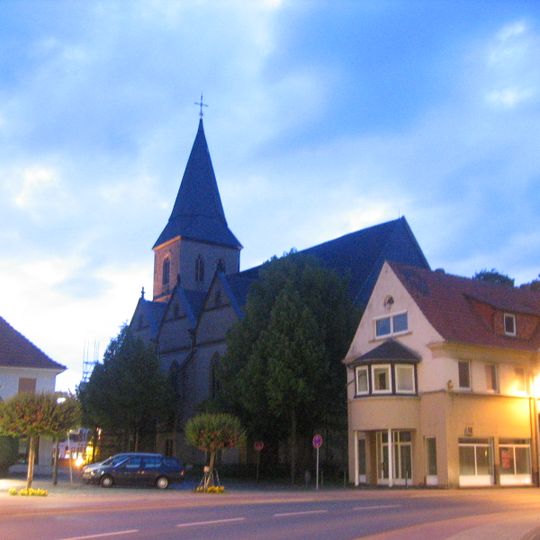
Preußisch Oldendorf is a town in the Minden-Lübbecke District of North Rhine-Westphalia with a decentralized structure consisting of several historic districts and villages. The town encompasses numerous timber-framed and stone buildings from different periods, including churches, manor houses, a historic bakehouse, and an old grain mill with red tile roofs.
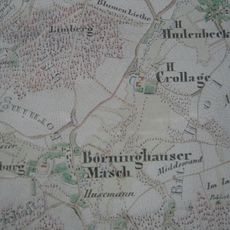
The parish church is mentioned as early as 969, when Minden controlled the area and the bishop shaped religious life. By the 14th century, the Counts of Ravensberg took power, and the region became structured through administration centered at Limburg Castle.
The name Oldendorf refers to an ancient settlement in the valley that served as both a religious and economic hub from early times. Today, historic buildings like the timber-framed bakehouse, old manor estates, and several churches still shape the townscape and reveal how people lived and worked here across the centuries.
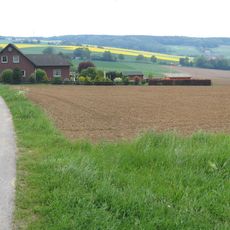
The town consists of several scattered districts, so it is best to explore it in stages or focus on individual areas. Different historical sites are spread across various village sections, which requires time to discover and traveling between locations.
Linen production shaped the town for centuries: the Great Elector established a linen finishing center in 1669 that promoted trade and craftsmanship. In the 19th century, the decline of this industry led many residents to emigrate to North America, while new industries like tobacco processing and furniture manufacturing emerged.
The community of curious travelers
AroundUs brings together thousands of curated places, local tips, and hidden gems, enriched daily by 91,044 contributors worldwide.