Philippsthal, municipality in Landkreis Hersfeld-Rotenburg in Hesse, Germany
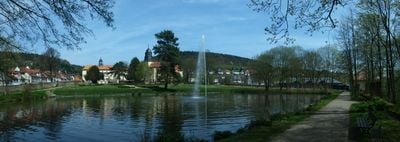
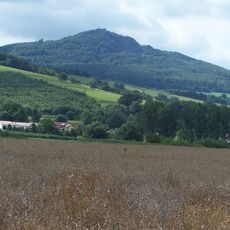
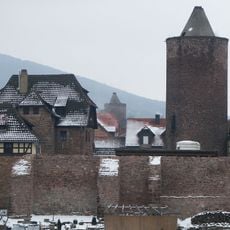
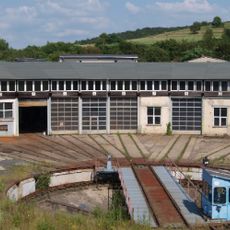
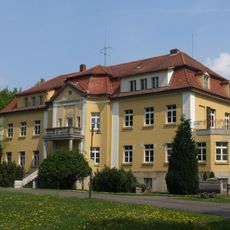
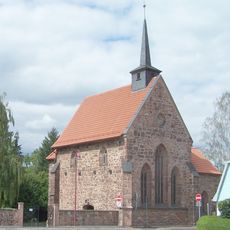
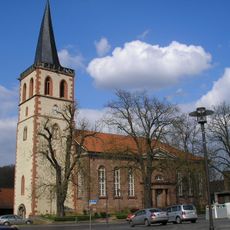
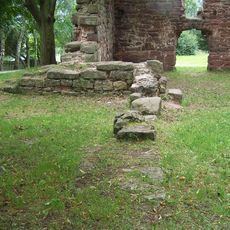
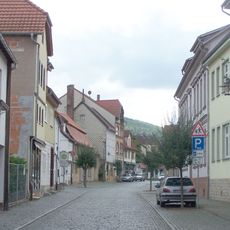
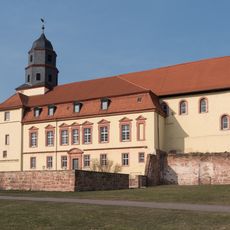
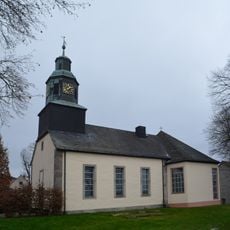
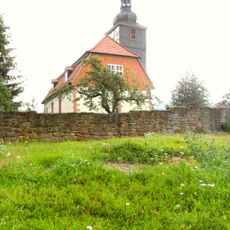
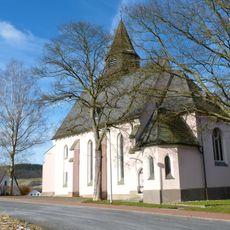
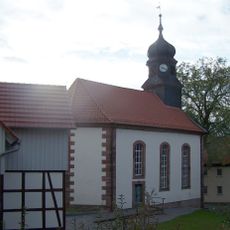
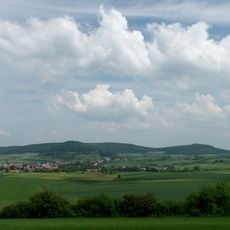
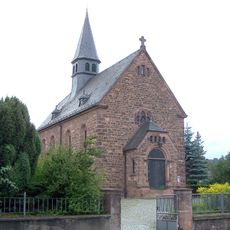
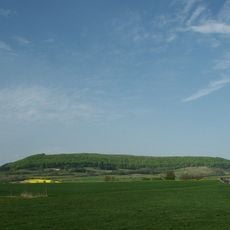
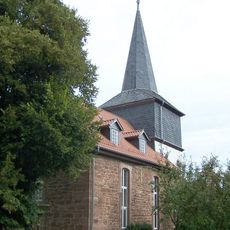
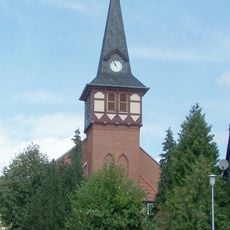
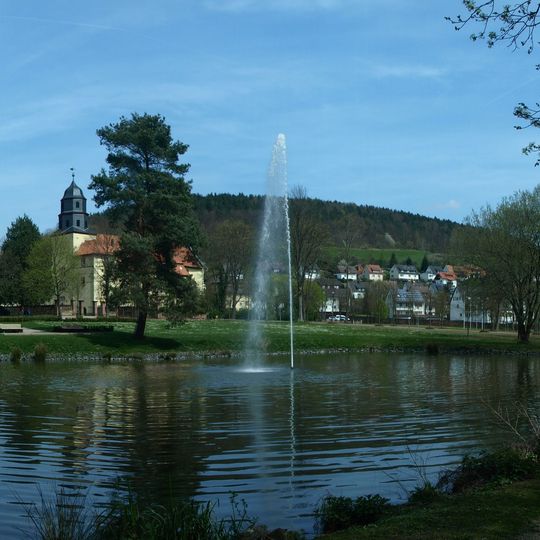
Philippsthal (Werra) is a small municipality in eastern Hesse surrounded by forests and hills, with quiet streets and historic buildings throughout. The palace Schloss Philippsthal stands where an old convent once was and is surrounded by a park, while the 12th-century church remains as the oldest structure alongside later industrial buildings from the mining era.
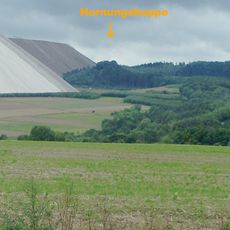
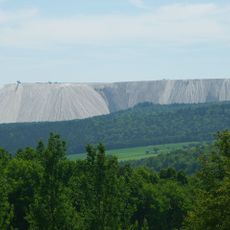
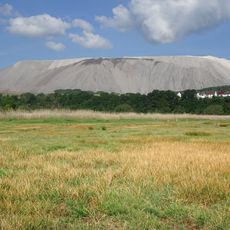
The village was first recorded in 1191 when a church and convent were built by the river, though the convent was destroyed during a peasant uprising in 1525. In the late 1600s, Landgrave Philipp of Hesse-Philippsthal built a palace on the former convent site, and in the early 1900s a potash mine opened nearby, transforming the town into an industrial center.
The town's name comes from Landgrave Philipp of Hesse-Philippsthal, whose palace still shapes the local landscape. Residents keep local traditions alive through twice-yearly markets and regional festivals where traditional German food and music bring the community together.
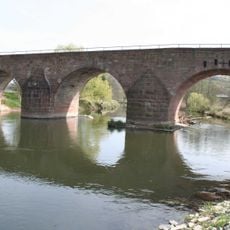
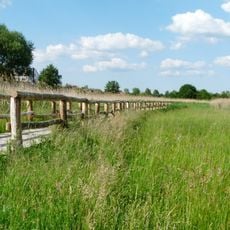
The village is compact with most places within walking distance, and car and bus connections are available. Walking trails along the Werra River and into the surrounding hills offer options for all fitness levels, particularly pleasant in spring and autumn when the landscape blooms or shows fall colors.
The town's coat of arms features a silver Lorraine cross on a red background with a silver and red striped lion below, reflecting the place's history and its old abbey. These heraldic symbols tell the story of noble families who once ruled the area and shaped the town's identity today.
The community of curious travelers
AroundUs brings together thousands of curated places, local tips, and hidden gems, enriched daily by 91,201 contributors worldwide.