Bedburg-Hau, municipality in Kleve District, in North Rhine-Westphalia, Germany
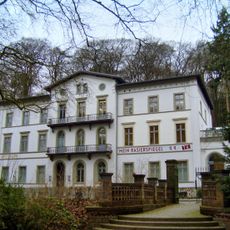
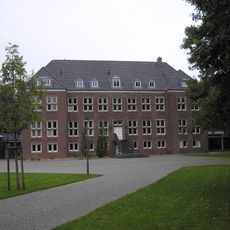
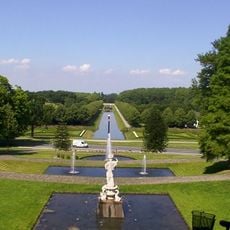
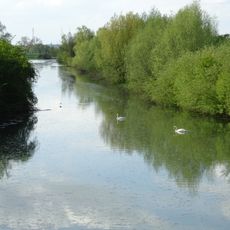
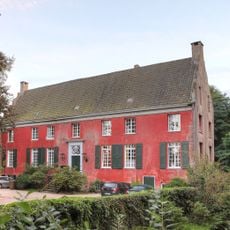
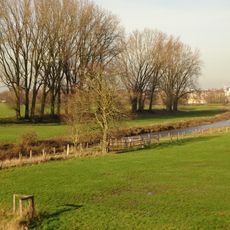
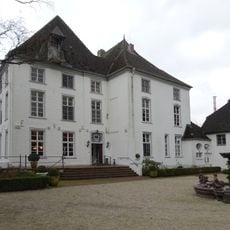
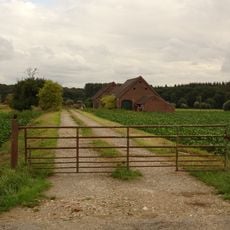
Bedburg-Hau is a small municipality near Kleve in North Rhine-Westphalia, spread across a quiet area shaped by nature and history. The community features fields, forests, and old pathways including the historic Post Road, now used for walking and cycling, along with several historic houses and rural estates scattered throughout the landscape.
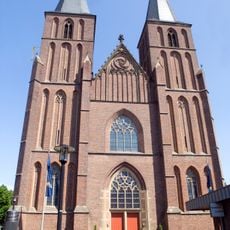
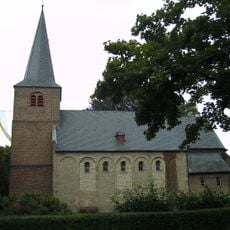
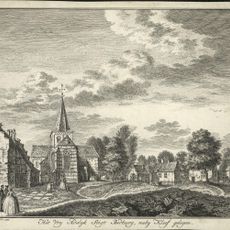
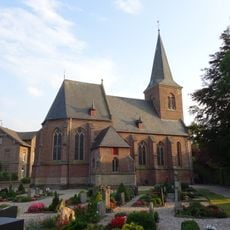
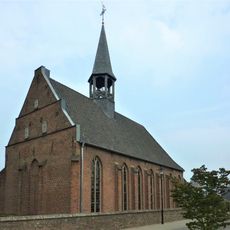
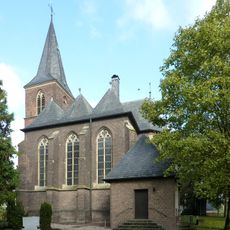
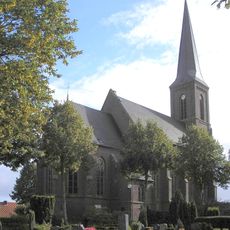
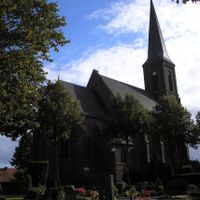
The area took shape in the Middle Ages, particularly through the church of St. Markus in Schneppenbaum, founded in 1124 and connected to a monastery of Norbert. The Court Tree in Hau, planted in 1378, marks the site of outdoor justice hearings, a system that functioned here for centuries.
Bedburg-Hau carries its name from an old regional territory and shows its importance as a historic center of justice and local rule. The community maintains this tradition through annual events like Open Gardens in Kleverland, where private owners open their gardens to the public, and through local dialects and customs that reflect centuries of settlement.
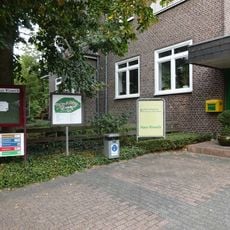
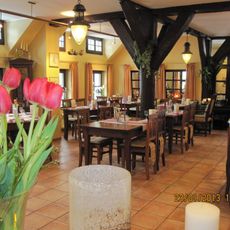
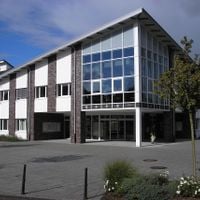
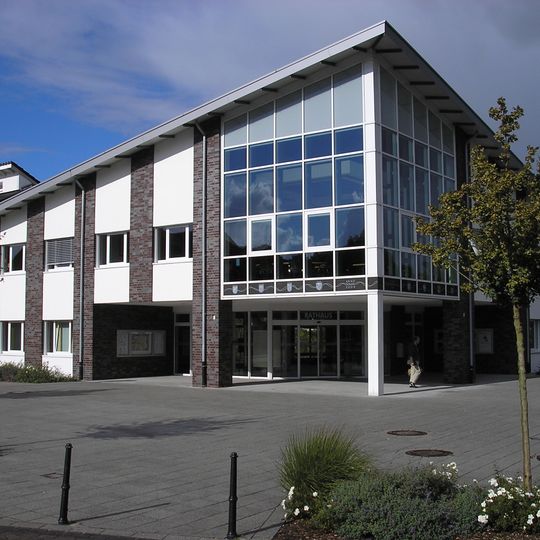
The area is best explored on foot or by bicycle, with well-developed paths like the Voltaire Route and the old Post Road. A visitor information point at Rathhausplatz provides orientation and advice on activities, lodging options, and nearby attractions.
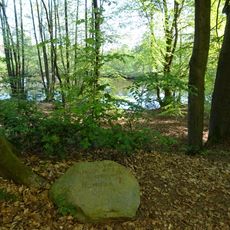
A distinctive feature is the Birth Forest near Qualburg, established in 1987, where parents plant a tree for each newborn child with a numbered tag for later identification. Over 1,200 trees of different species now grow across more than three hectares, creating a living monument to generations of families.
The community of curious travelers
AroundUs brings together thousands of curated places, local tips, and hidden gems, enriched daily by 90,764 contributors worldwide.