August Kestner Museum, Art and archaeology museum in Mitte district, Hannover, Germany.
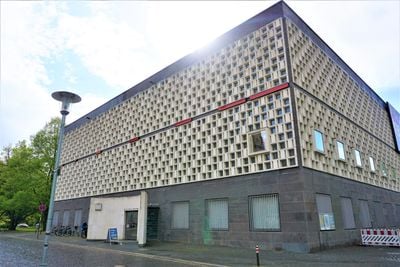
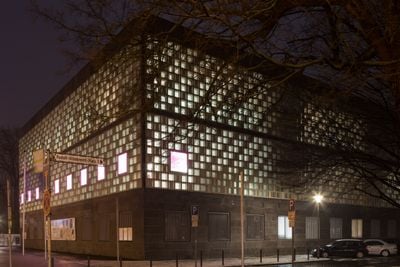
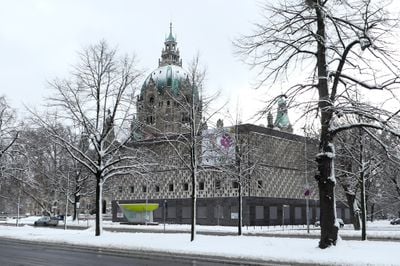
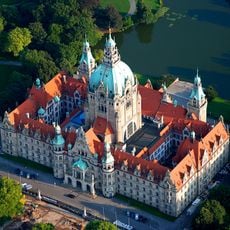
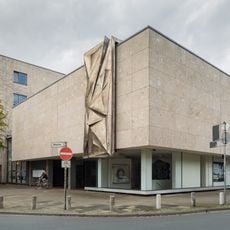
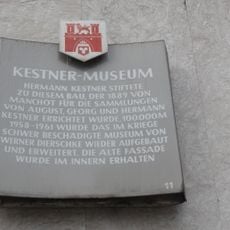
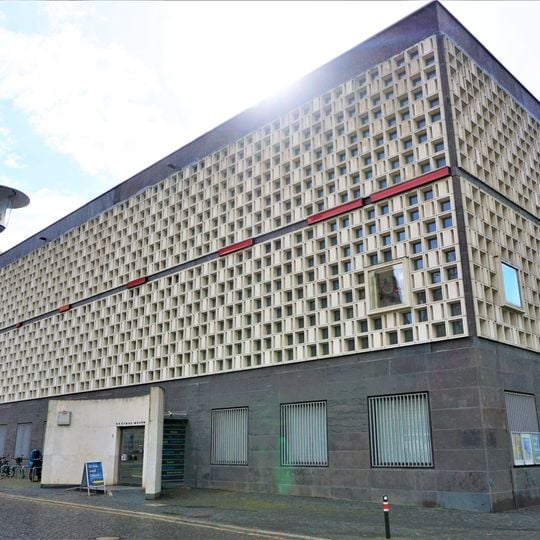
The August Kestner Museum is an art and archaeology museum in the Mitte district of Hannover, holding objects across four collection areas: ancient Egypt, Greek and Roman antiquity, coins and medals, and applied arts. The original museum building was inaugurated on 9 November 1889 in Neo-Renaissance style; since 1961 a listed glass-concrete facade with about 5,000 windows has enclosed the remaining parts of the old building. It stands next to the New Town Hall.
The museum grew out of the private collection of August Kestner, who lived in Rome during the 19th century and gathered ancient objects later brought to Hannover by his nephew Hermann. It opened as a public institution in 1889 and has been expanded and reorganized several times since.
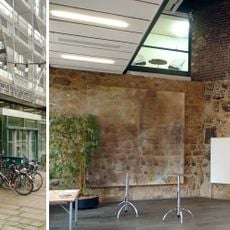
The museum takes its name from August Kestner, a collector who spent much of his life in Rome gathering ancient objects and decorative works. Inside, visitors move between rooms where Egyptian figurines sit beside antique jewelry and crafted objects from very different times and places.
The museum is open Tuesday through Sunday and stays open later on Wednesdays than on other days. It is wheelchair accessible and easy to reach on foot from the city center, as it sits within walking distance of the New Town Hall.
The 1961 concrete-and-glass shell around the old building contains about 5,000 small windows, and the whole structure is a listed monument. Behind it survive parts of the staircase, the side wings and almost the entire entrance facade of the 1889 museum. The coin cabinet alone holds around 100,000 pieces, the largest of its kind in northern Germany.
The community of curious travelers
AroundUs brings together thousands of curated places, local tips, and hidden gems, enriched daily by 94,642 contributors worldwide.