Lübeck Museum of Theatre Puppets, Puppet theatre museum in the Old Town of Lübeck, Germany
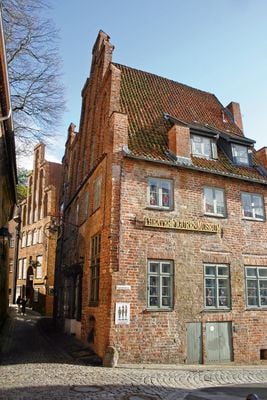
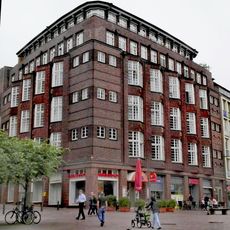
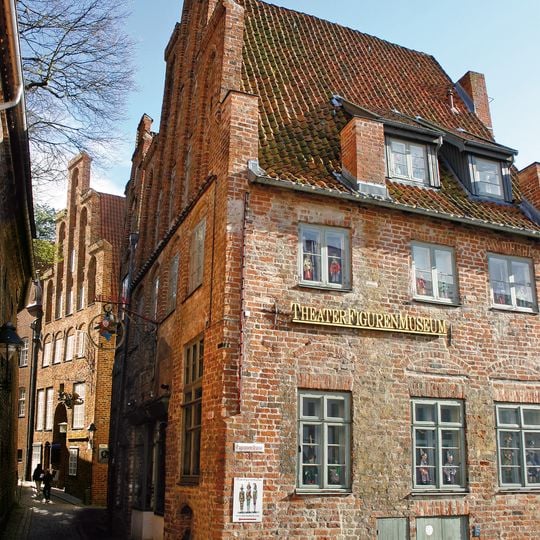
The Lübeck Museum of Theatre Puppets, known as KOLK 17, occupies five brick Gothic merchant houses on the narrow street Kolk, near St. Peter's Church. Its facade bears a gold-lettered sign reading "THEATER FIGURENMUSEUM" above multi-paned windows filled with small figures. Inside, around a thousand exhibits from three centuries and three continents are displayed, including hand puppets, marionettes, shadow figures, and mechanical figures.
Fritz Fey Jr., a cameraman for Norddeutscher Rundfunk from a puppeteer family, built the collection on business trips; it grew to 25,000 items, including marionettes, shadow figures, barrel organs and whole stages. In 1982 the city and sponsors such as the Possehl-Stiftung enabled a museum in the Kolk, beside his father Fritz Fey sen.'s marionette theatre. His wife Saraswathi, a former classical Indian dancer, was the most important co-founder. Rising rents and falling visitor numbers forced a conversion into a GmbH in 2006; the Possehl-Stiftung continues it today.
The museum's name is tied to the Kolk, the narrow street where it stands, and since 2001 the puppet theatre and museum have operated together as KOLK 17. Its roughly 1,000 exhibits include Indonesian wayang shadow figures, the "dog clowns" that performed with a live dog, and the head of a Japanese Bunraku puppet. Several pieces represent traditions UNESCO has recognised, among them Opera dei Pupi (2001) and Wayang Kulit (2003).
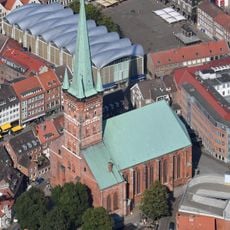
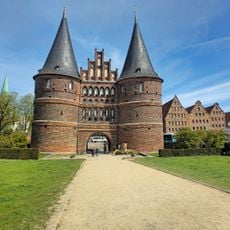
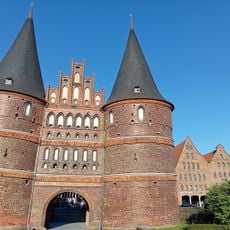
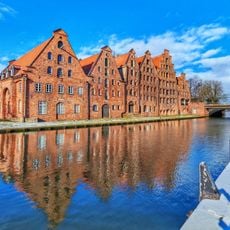
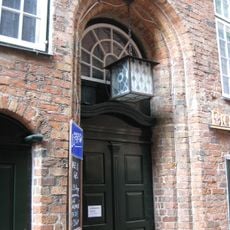
The museum occupies five historic brick merchant houses on the narrow Kolk lane in Lübeck's old town, a short walk from St. Peter's Church and the Holstentor. The entrance sits among the surrounding brick-gabled facades, and the exhibition rooms are spread across the connected houses, so allow time to move between floors. A shop, a café and a specialised library with a catalogue of over 3000 titles are part of the site.
Among the highlights are the "dog clowns", figures that performed alongside a real dog, and the Metamorphoses, puppets built to transform on stage. The museum also holds the head of a Japanese Bunraku puppet and abstract figures by Kassel art professor Harry Kramer, made of papier-mâché, wood and wire for his 13 Szenen, first performed in 1955 at Galerie Springer in Berlin.
The community of curious travelers
AroundUs brings together thousands of curated places, local tips, and hidden gems, enriched daily by 92,933 contributors worldwide.